SPRINT BREATH SWIM

Love getting to feel like an animal. Something sprinting across the land and then moving in the ocean.

Being outside
Getting your heart rate up
Feeling yourself freeze and catch your breath
Gets all sorts of instincts humming and unlocks powerful focus and energy for the rest of your day.

Sleep, stress response and metabolism all benefit from this kind of body and mind training.

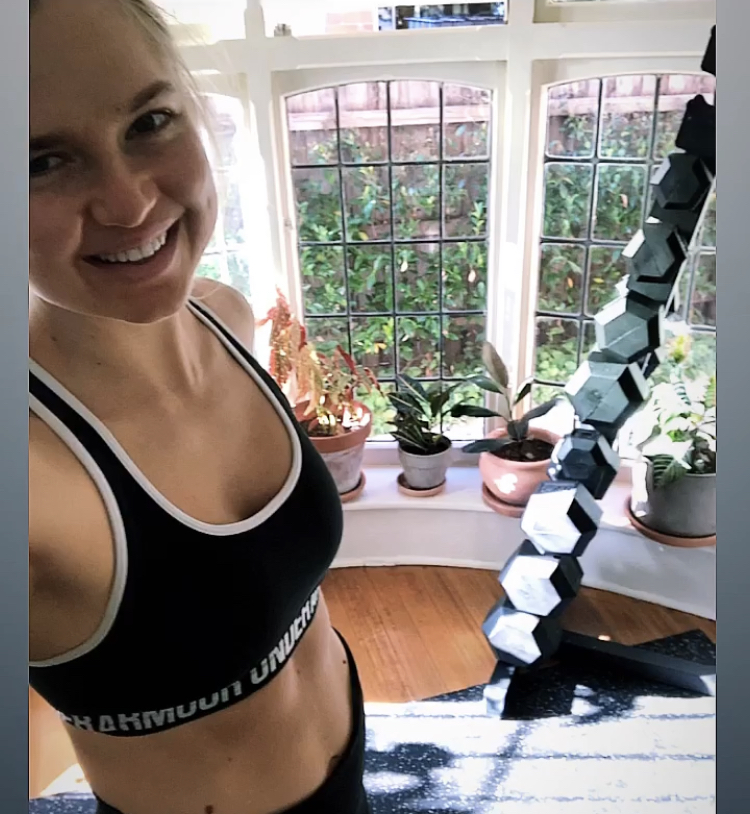
We start with a jog and dynamic stretches to get you loose and warm through your legs, discs and its a chance to focus on optimal form for training. Core engages, and know where to direct your power. The picture above is an example but your workout will be customised to you.

Following the workout we spend 5-10 minutes to down regulate and let your heart rate come down. It is a chance to soak up the endorphins and feel at peace. By getting yourself back into recovery mode you will not only get better recovery and results from the workout but also get more out of the cold water exposure.

Once you’re feeling calm, cooled down and collected, we go to the ocean and dive in. This is an opportunity to hone your stress response and train your mind as you feel your breath catch and can practice regaining control. The regular practice of this feeds back nicely into your ability to get back to baseline after stressful events and to be more resilient in your day-to-day life.

Cold water exposure is something I feel super passionate about due to its affordability (free), accessibility (to those of us lucky enough to live near the water and most of us in the first world) and plethora of benefits.

If you would like guidance on developing your own cold exposure or breath work practice then get in contact for a free 15 minute phone consult on your goals and how I can help you overcome stress and be more resilient.

← Back

Thank you for your response. ✨

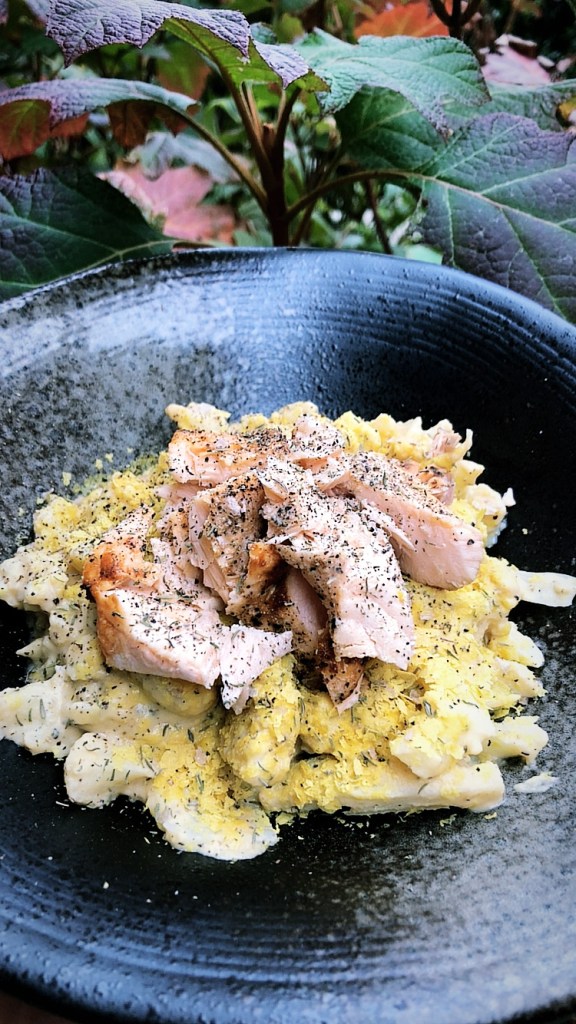
Salmon Cauliflower Nest

Not everyone deals super well with gluten and dairy. But most people love a comforting bowl of pasta. Add an extra nourishing and delicious fillet of salmon?

The last post was a “cauliflower cheese” dream and here it has been repurposed meaning…. make lots to save yourself time and do different things with it!

Ingredients for four portions:

  • A batch of the cauliflower cheese, made according to the following recipe:
  • 4 fillets of Salmon- Let these get to room temperature whilst you are pre-heating the oven and making the cauliflower.

Method:

  1. Set the oven to 375F/190C to preheat and season salmon with salt and pepper. Line in a baking tray and once the oven is ready, pop it in for between 12-15 minutes, according to how well done you would like it.
  2. If using an air fryer, simply bake to air fryers setting or instructions.
  3. Once the salmon is cooked and the cauliflower has been dosed into bowls, break the salmon apart over top, stir through ad enjoy.

Hot Tip: I often make this recipe to serve for just me but it batch cooks well and having a handy piece of salmon in the fridge is the stuff of meal prep dreams as it can go over salads, risotto, mashed potato…. etc.
There are a million awesome things you can do with your time, it is precious, save it where you can


If you would like to learn more on meal prepping and designing meals that will help you hit your goals, find out more here:

Macros:

The above makes 4 serves, the macros described are per serve:

Each: 434cal 49gP 25gF 13gC

Hot tip 2: I’ll often half the fillet of salmon and have a small bowl of oats as dessert afterwards instead. It means less protein, more carbs and about the same amount of calories which suits my goals perfectly.

‘Cheesey’ Cauliflower Bake

Childhood dreams of cauliflower cheese, or even baked potato? This dish delivers on taste, nostalgia and satisfaction, without the heavy, I need to unzip my pants feels.

I prepped it all while the roast chicken was in the oven and then popped it in for the last ten minutes. Gluten and dairy free, this is such a crowd pleaser you can truely make and serve with love.

This also double as an excellent swap in for pasta as the next recipe will reveal. It covers most bases for comforting, warm and wintery.

Ingredients for four portions:

  • 1 whole head of cauliflower
  • one batch of hummus made to the recipe below
  • 2 tablespoons nutritional yeast
  • thyme, salt and pepper to top and taste.

Smokey Hummus:

  • 1 tin of chickpeas
  • 1/4 cup tahini
  • juice of 1-2 lemons
  • 1-2 cloves garlic
  • 1 tsp smoked paprika
  • salt and pepper to taste
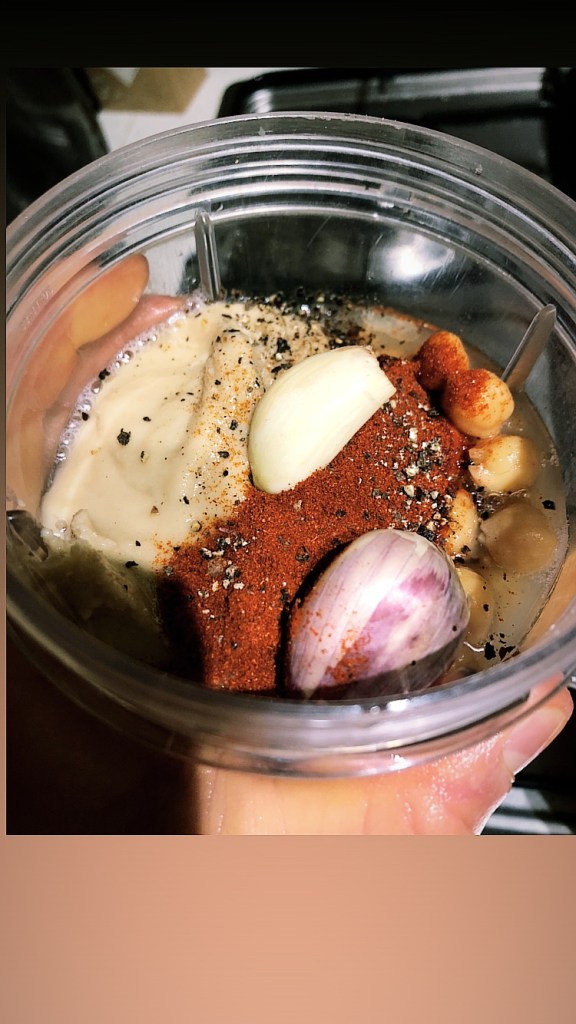
    Blitz the above in a blender until smooth and creamy, add a little water or extra lemon juice if needed. I avoid oil to save on calories.

Method:

  1. Get your cauliflower into small florets and boiling away for about 6-8 minutes or until softened to your liking.
  2. Next, prepare the hummus with the ingredients and to the instructions above.
  3. Once the cauliflower is soft and the hummus is smooth, mix them together and pop into an oven safe tray or dish. Sprinkle with savoury yeast flakes, thyme, salt and pepper according to your own preference (I am usually a little more heavy handed than most.)
  4. It would be gorgeous as is and topped with a protein of your choice or it can be further toasted in the oven for 8-10 minutes and served as a side.

Macros:

The above makes 4 serves, the macros described are per serve:

Each: 72cal 7.5gP 1.4gF 12.5gC

Struggle to Feel Full?

How it all works

Your digestive tract is laden with receptors that feed chemical information to your brain via the vagus nerve and other neurones. Your gut is essentially looking for certain nutrients; amino and fatty acids that will then trigger satiety hormones to be released to decrease your appetite.

That is the biology of it but often this comes down to our psychology and harnessing an understanding of both is powerful for developing your own ability to regulate and improve your relationship with food. Reach out for a workshop if this is something you want support working on.

Where it goes wrong
If the gut lining is disrupted, these signals are compromised, they won’t get through. Emulsifiers (check the ingredients on your packaged food items) are some of the worst culprits for stripping the gut lining and damaging these receptors, such that our system of satiety breaks down.

Your brain also receives mechanical (physical feeling) information.
So staying hydrated and increasing the amount of non-starchy vegetables on your plate will also help to signal the brain that you have had enough.
Hence why a bowl of vegetables and small fillet of salmon at 355kcal will feel more satisfying than a plate of basil pesto and green beans at 620kcal.

The specifics

Emulsifiers (such as soy lecithin) and many other additives, for some people this can be gluten disrupt your ability to feel satisfied.
Sugar Confuses the brain and sends signals to consume more and feel an increase in appetite.
Protein triggers more of a release of the satiety hormone CCK, the amino acid glutamate having the most potent effect.
Omega 3 fatty acids Increase satiety signals
Fibrous food do their work two ways; They often take more chew work and so increase those mechanical signals to the brain that you are eating. Eating them first will also blunt the release of the glucose increase that comes from eating, a rise in blood glucose triggers other mechanisms that decrease satiety.

Key Take-aways

  • Protein
  • Omega 3s
  • Staying hydrated
  • Fibre
  • Eating slowly
    Will help you feel satisfied and decrease cravings.
  • Processed foods
  • Poor gut health
  • Being dehydrated
  • Eating too quickly
    Will confuse your body and make it want more food than it needs

Qualified in Nutrition and passionate about helping people reach there goals.

If you would like to learn more meal planning or eating for a better, stronger body then call for your free 15 minute consult.

041 355 2904

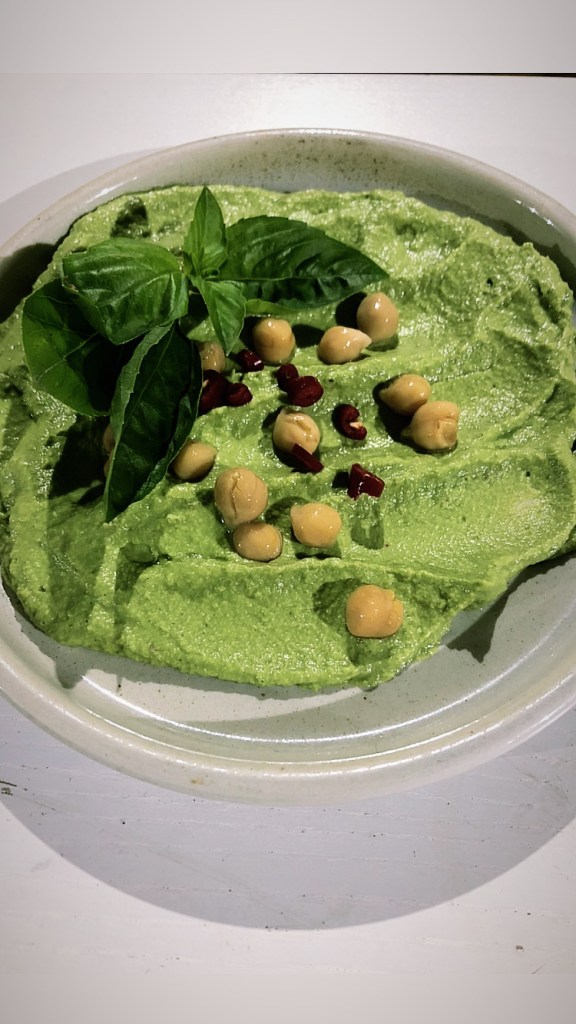
Chilli Basil Mousse

After all the lovely basil I was gifted last week, I had a fun surge of inspiration and whipped up this child basil mousse 

I’ve used this in pasta, with mushrooms and eggs on toast, it was great with roasted potatoes and chicken and had a flavour worth sharing. So make lots! Reuse your empty jars and drop off batches to your nearest and dearest. Have something raring to go in the fridge that would upgrade a brunch, lunch, dinner or even toast. 

Ingredients for 10 serves

  • 1/2 cup of cooked chickpeas
  • bunch of basil (think 1/2 cup packed basil leaves
  • 1/2 cup soaked roasted cashews
  • 2 table spoon lemon juice
  • 3 garlic cloves
  • two birds eyes chillies
  • 1/2 tsp salt

Method:

  1. Simply whizz in your blender till smooth and dollop over all the other good things in life.

Macros:

The below is per serve as does not account for anything you may serve with the dip

Each: 28 cal 2gP 2gF 2.7gC

Just a cheeky wee example of the mousse jazzing up one of my favourite, balance brunch options, eggs and mushrooms on Pure Life Toast (5 Seed)

Having trouble with your meal prep game and need some advice? Call for a free 15 minute consult, as a qualified and passionate nutritionist, I would love to help you set your goals and reach them!

Hot Mushy Chocolate

  • 250ml Almond milk
  • 1 tbsp cacao
  • 1 tsp mesquite powder (optional but excellent)
  • 1/2 tsp ground ginger powder
  • 1/2tsp vanilla extract
  • 1/2tsp Chaga mushroom powder
  • Top with: cinnamon powder
  • Optional: dash of maple syrup or honey

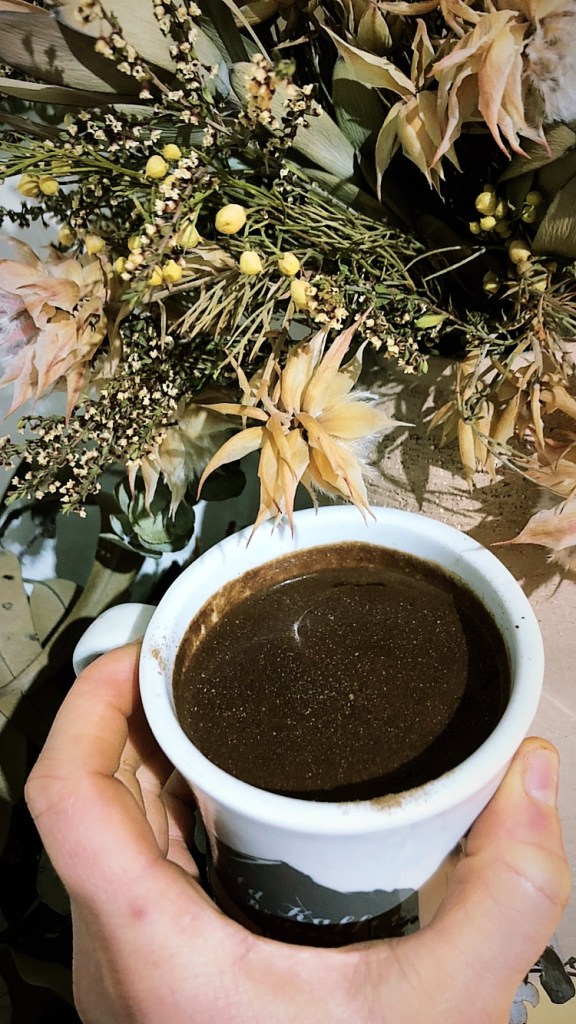
All ingredients into a saucepan to heat 3-4 minutes over a medium-high heat. You want it bubbling then turn the heat off, ensure all is thoroughly mixed together (no lumps) and carefully pour into a cup. Top with cinnamon powder.

No, it won’t taste like mushroom! The Chaga mushrooms will however do wonders for you adrenal glands, the poor glands that get hammered by stressful lifestyles and over consumption of caffeine. Chaga is a wondrous adaptogen that is beneficial for hormonal function and prevents oxidative stress (with its high number of antioxidants). This gorgeous winter treats makes for such an afternoon pick me up when the skies are grey and energy levels are dipping.

Hot tip: Play around with the flavours, swap the ginger for ground clove or the vanilla for peppermint. Be creative and make this winter yours.

Variation For Avoiding Repetitive Stress, Dysfunction & Injury

What seems odd in the gym is often closer to real life scenarios
What does that mean? Often in real life, we aren’t moving as we would in a gym. We are not sitting on a machine, sending a weight through a guided path or resisting the load of a symmetrical barbell.  Real life looks more like turning around with a squirming child in our arms, carrying uneven shopping bags or lifting up a couch and craning awkwardly to see if our phone dropped beneath.

Whole different kettle of fish of course if you work as a tradesperson and you’re bearing the weight of steal rods whilst you navigate over stairs and platforms or the likes. Athletes need to be able to turn, move, jump, reach and land safely.
It’s in these situations that our body needs to be at it’s best function and where energy leaks or dysfunctional movement patterns put us at risk of injury. Therefore, sitting on the same machine and doing the same exercises will not serve you.Even using the same attachments on cables etc  will wear paths of stress through our bodies. Repeating the same program with the same exercises month in, month out, year round will not serve you well. Variation, second to correct form in strength training is the best way to avoid injury. See the below simple tips for looking after yourself.

An effective and consistent mobility practice will also go a long way to preventing injury as well as performing your overall performance and strength.

As it relates to sport:
Athletes know if they simple practice their sport and that is all they put their body through, they are putting themselves at greater risk.
Swimmers avoid ‘swimmers shoulder’ by challenging the tissue through various resistance exercises they wouldn’t just do in the pool, they employ ‘dryland training.’ Putting on muscle through resistance exercise has great value across most sports to improve explosive power and avoid injury.

Movement example: the deadlift
Try altering your foot position, move them slightly wider out perhaps or stagger your stance, try single leg dead lifting. You want a multifaceted approach,  you will engage your core even more by using different weights. Do so with the same care and attention to technique you normally would.

Your program/ training
Depending on your age, hormonal profile and genetics; You want to change your program about every 4-10 weeks. This could be changing your back squat to a front or goblet squat, swopping in walking lunges for static lunges or split squats, adopting a dumbbell bench press over barbell or changing your grip or attachment on the cable seated row. Note, you are still including the basics, the basics are the most effective. You are adding in variety though.

Improve your run, avoid injury

Running is a brilliant way to improve your cardiovascular health, maintain a healthy weight or lose weight and it is also a great outdoors exercise activity you can do anywhere! Making it a fantastic option for mental health and cognitive performance too. It can be social or done alone, according to you and how you feel. Injuries (even niggles and pains) can be common though, so avoid the potential drawbacks and make the most of the benefits with the below exercise recommendations.

“Runners knee”: Musculature development through the hips and glutes, proper form with focus on landing on the ball of your foot and with your leg underneath your body as well as adequate development of the abductors and adductors will mitigate the risk of developing runners knee. Powerful glutes and efficient recruitment of this muscle can be a powerful weapon for improved endurance and power in running.

“Runner’s hunch” Running sometimes comes with a kyphotic (excessively curved spine) this leads to a pelvis that rocks underneath the the chain linkage leading to underdeveloped glutes and can often times tranfer to issues in the knees.

Strength and stability requirements:
Challenging the tissues in a lateral or rotational plane to fortify better balance in the system.

Core strength: is vital to supporting efficent movement. Core strength and hip mobility development are both important to prevent dangerous loading/ movement through the lumbar spine.

Strengthen your  Glutes:

– Activating glutes prior to running to ensure they fire off properly and prevent synergistic dominance from the likes of the hip flexors.

-Then include: Hip Bridges, back extensions, cable kickbacks, donkey kicks, clams in your program

Back strengthening for optimal posture:
Seated row, lat pulldown, barbell bent-over row, pull ups, upright rows, rear delt flys

Hip and leg strengthening:
– Deadlifts, Romanian deadlifts, side-line leg raise, step ups, squats, the lunge and it’s variations, Bulgarian split squats, pull throughs

Core/ abdominal strength:
– The plank and it’s variations, dead bugs, hollow body crunch, reverse crunch, cycle crunches, oblique twists, wood chops etc

Stretches and mobility

Upper body:
 (pre-run)Cat-cows, foam roll threads, chest stretches, supine twists, supine clam rotations, (post run)passive hangs, arms in front of chest, child’s pose

Lower body:
-(pre-run)90/90 sits, prone scorpions, frogs, deep squats, (post-run) hamstring stretch, bridge, low lunge hip flexor stretch.

Step 1: mobilise and activate, Step 2: run, Step 3: cool down and stretch

If running is something you are keen to include in a balanced fitness and exercsie program then get in touch! Maybe you’re a veteran and want to be sure you can keep running right into your old age. Either way, I would love to help!

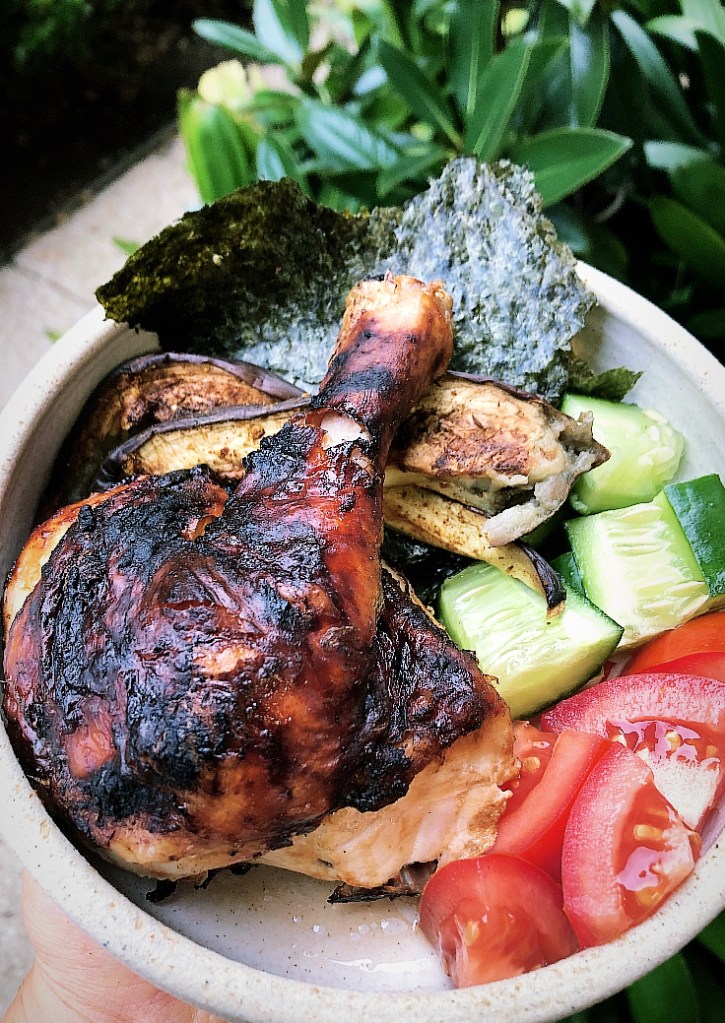
Miso Roast Chicken and Veg bowl

Consider this bowl my sign of appreciation and recognition. This if for everyone who puts time into themselves, their loved ones, their community. Those endeavours take time! So take some back with world’s easiest bowls.
Meal prep friendly, family friendly, budget friendly. Tick boxes and hit goals.

Ingredients for four portions:

  • 1 whole chicken quartered
  • 1 tomato
  • 1 cucumber
  • 2 eggplants
  • 2 sheets of seaweed
  • rice or hummus makes a great optional extra if you are not saving your carbs for dessert.

Note: you could really use what ever vegetables are in your fridge, that is the beauty of a ‘bowl’.

Method:

  1. Baste the chicken pieces with miso and arrange on baking tray or insert into air fryer. If roasting in an oven ensure it has pre-heated and set to 190 degrees Celsius on a roast setting then leave in for between 25-30 minutes or until the juices run clear. Otherwise just roast according to your air fryer’s instructions.
  2. Slice and season eggplant (if you can salt it ahead of time to let it ‘sweat’ for 5 minutes before roasting, you will achieve a sweeter tasting eggplant.) Again, pumpkin, zucchini or broccoli would make great options roasted.
  3. Place vegetables in the oven along with the chicken for the last 15 minutes of roast time.
  4. Once all is roasted and ready, arrange in your bowl alongside seaweed and any carbs you may have wished to add. Hummus recipe can be found in the link below.

How do I turn this into lunch for the next couple of days?

Simple cook in bulk, pre slice your tomato, cucumber and arrange in your lunchbox along side any kid of dip or carbohydrate you feel you need.

Macros:

The above will serve four generous portions

Bowl with breast portion of chicken: 535cal 62gP 31gF 8gC
Bowl with leg portion of chicken: 520cal 45gP 37gF 7gC

Please note that the tsp of olive oil delivers another 25 calories per serve and 5g of fat, if cooking with oil. Dips and carbs of course come with their own extra calories and macro-nutrients too.

One ‘screenshot-able’ hummus recipe

Hummus can mean a lot to the time pressed chef, a dip, a replacement for cream. Throw it through pasta, as a side, in bowls. Sky is the limit and this oil-free and macro friendly variation goes down a treat.

*Tabasco is not required but it can be a game changer, and you are what you eat.