Take joy in time with loved ones. 100% that is what life’s about. Not your lifts, not your body fat %
Try new foods you don’t usually get to eat. With an open mind and freedom of guilt.
Set boundaries with your work commitments. The work will be there when you get back.
You don’t have to stick to your meals and workout plans. It’s what you do 80% of the time that counts, don’t let your fitness goals take you out of the moment.
You don’t have to get drunk at every event. Social connections can and should thrive without alcohol
You don’t have to stuff your face and overload your digestive system. There will be other occasions, other treats, it’s not your last meal and grandma won’t get that offended.
How will I get all my work outs in? Will I even be able to find a good gym, should I try pick up some more bands?
How will I stick to my macro split?
How will I track my calories?
How will I look when I come back?
I wish I hadn’t worried so much about these things when I use to plan holidays. I wish I had been able to free my mind a bit more and let go.
You can be disciplined and goal oriented without fearing a change of scene or routine. Sometimes a sense of control can give us comfort when we plan the future but often times only leads to more stress in the moment if we can’t control something.
Control is like a defence mechanism, a tool, don’t judge yourself for it, observe it as though you were listening to a friend talk about it and invest the time in discovering more about yourself through the realisation. If these thoughts cloud over being present and enjoying the experiences then the benefits of exercise and eating right in that they improve your quality of life are being over run by fear and obsession.
Time offers powerful perspective. Look back at your past holidays and think about the most important things you enjoyed. Time with friends, meeting new people, going on new trails/hikes and being immersed in the atmosphere at your favourite restaurant.
Recognise that the connections and experiences were more important than finding a gym or tracking the calories on menu items. It can feel hard to let go but the health of your mind depends on being able to adapt to your circumstance in a healthy and balanced manner as well as being able to enjoy the present. Be in the moment, sharing it with others or in your own peace.
Now, when planning a holiday I am far more concerned about
Who will look after my plants.
If the local bottle shop will stock my host’s favourite wines.
If my favourite pie shop will be open.
I am confident that I will not loose habits I have established when I am out of my normal routine because I love these habits. Going to gym and eating well are not things I force myself to do, I have fallen in love with these things so I resettle myself back in. I miss them after the break.
I don’t over do it on alcohol and highly processed foods because I don’t want to harm my body but I don’t stress about tracking either and if I come back less lean it won’t bother me so long as I’m still in a healthy range and took opportunities to move while I was on holiday.
I feel grateful for the change of pace, time with friends and getting to eat new foods.
Free yourself from the guilt and judgment that come with keeping too close an eye on your calories and training. Treat yourself as you would your best friend or own child, with love and compassion, wanting the best, whilst appreciating the need for balance and connection with loved ones.
Facilitate recovery for absolute strength and power lifts.
Are good for performance in that moment.
Shorter rest times (10-120 seconds)
Increase metabolic demand/ strain for fat mobilisation & muscle growth.
Boost testosterone and human growth hormone release.
What extended rest periods do:
Allows the removal of waste products and lactate diminishing the metabolic stimulus. Metabolic stimulus/ strain and that lactate release is what will drive anabolic testosterone release, improving muscle response and adaptation That burn, that lactate… that’s a good thing if you want to grow your muscle tissue or burn fat. Big rests, less lactate.
Other factors to consider when determining rest times are:
If you’re a “hard gainer”
If you are seeking a progression that allows your joints to catch up to your muscle to avoid injury.
Your training age and strength
Your age
Your hormonal status
Your goal
External factors (how you need to perform for your sport the next day etc.)
It’s not just a buzz word and while it can sometimes look buzzy or complicated it is purposeful.
Functional exercises transcend into real life, they mimic everyday movement patterns to help you move better and prevent injury.
Example? Turning to pick something heavy up behind you. Either you will injure yourself or you won’t and often the difference is having built muscle to protect yourself and knowing how to move well.
Functional moves?
The keys are – Squat – Lunge – Hinge (deadlift or the likes) – Push (up) – Pull (up) – Twist (rotational movements)
You can get fancy and have fun with it as you progress.
Get around the basics of what works and why it’s important to prioritise.
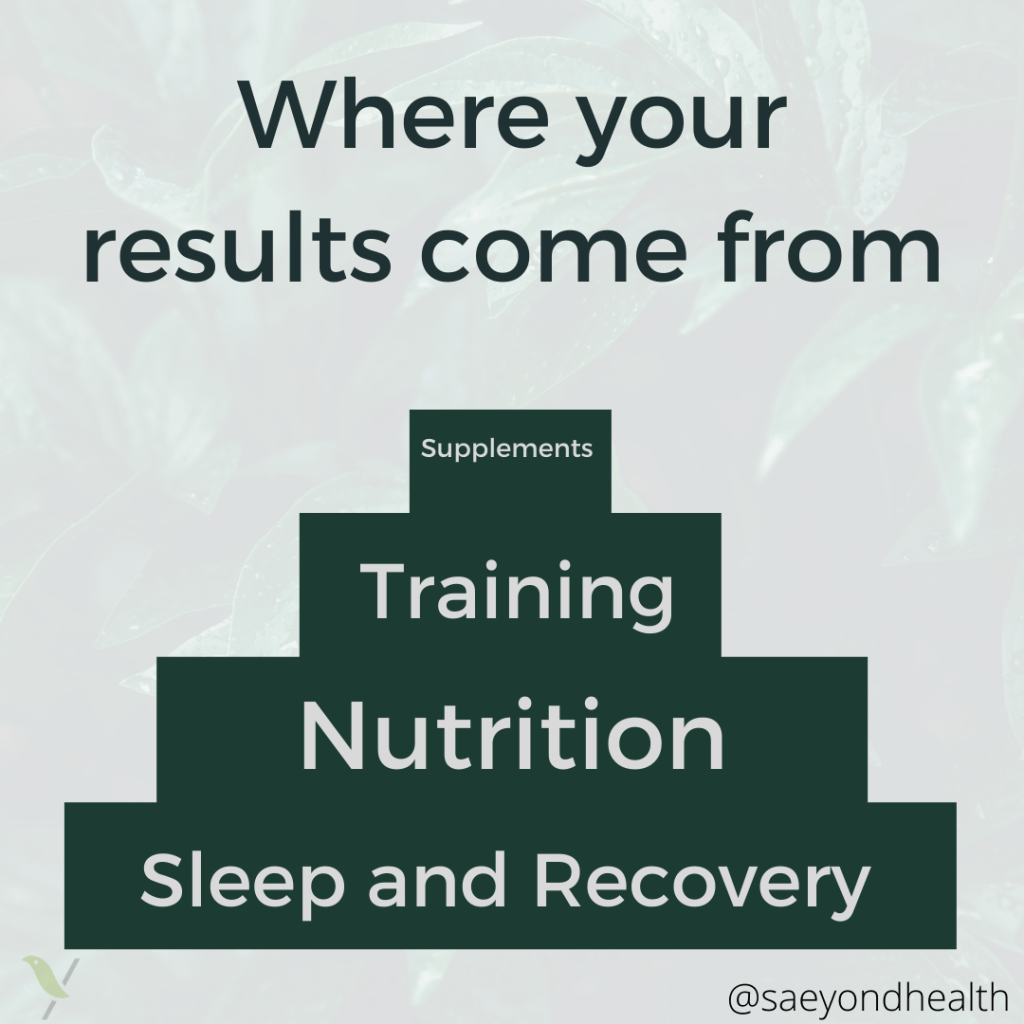
Sleep and recovery is essential for:
Your muscles recovering through adequate protein synthesis and human growth hormone release
Appetite regulation. A lack of sleep increases ghrelin production (the hormone that makes you feel hunger)
Managing stress and the hormones that regulate your mood and motivation levels.
Enjoy 7-9 hours a night
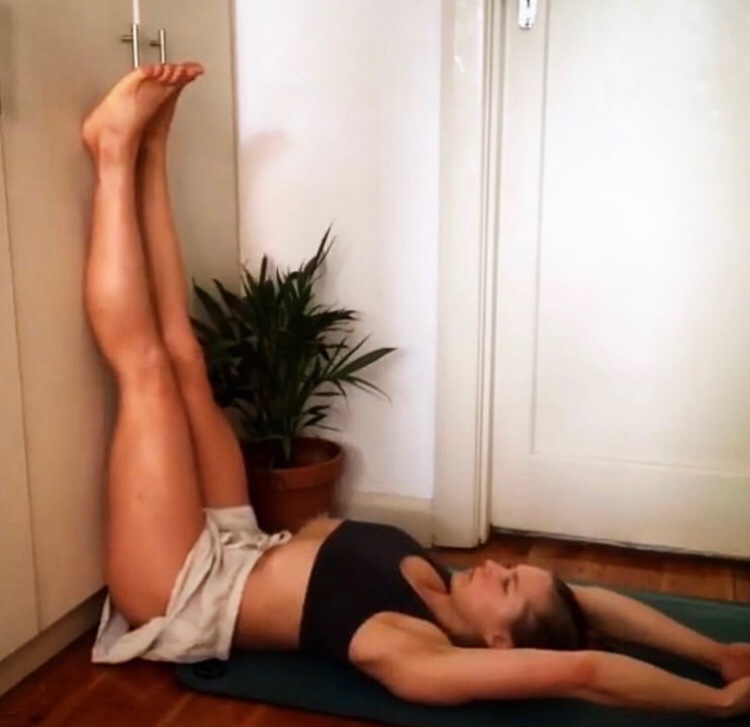
Try some yoga/ mobility practice
Sauna and massage
Cold water recovery
Take rest days
Nutrition
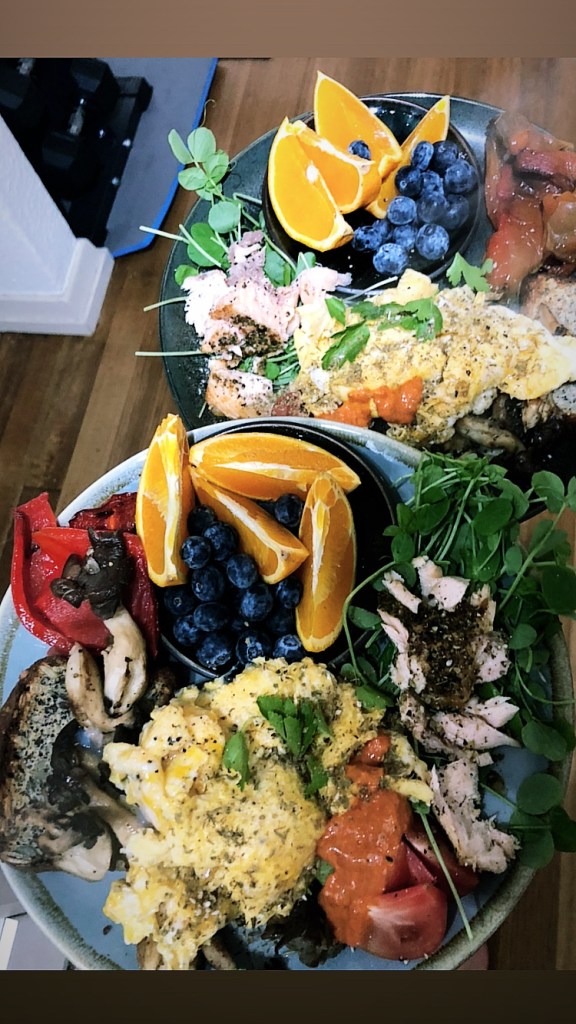
80% of your results come down to what you eat:
Weight loss and seeing definition comes down to using more calories than you consume.Your muscles will not grow if they are getting insufficient protein, they will not recover if you are getting insufficient fats and carbs.
Weight loss and seeing definition comes down to using more calories than you consume.Your muscles will not grow if they are getting insufficient protein, they will not recover if you are getting insufficient fats and carbs.
Sugar, canola oil, emulsifiers and other horrendous additives will affect your ability to feel energised and perform your best work at training and in life in general.
Processed & ‘hyper palatable’ foods will undermine your ability to regulate your own appetite.
Stay hydrated
Get an understanding for how many calories you need Vs how many you consume
Find out the carbs/fat/protein levels that best suits your goals and needs
Read ingredient labels and practice self-love by giving your body what it needs to thrive and avoiding shit
Training Either you are stimulating the muscle or you are not.
Practice progressive overload: Whereby you gradually increase the weights, reps, frequency etc in your strength training routine.
Make your foundation the basics: Squat, push up, pull up, deadlift, lunge.
Throw in some High intensity interval training and sprints
Mobility and flexibility work will improve your performance, protect against injury and support longevity so you can keep hitting it when you’re 90.
Educate yourself on from and optimising your training
Set yourself up with a solid program that will get you where you want to be
Think about what is motivating you and find your why
Enjoy a bit of diversity but remember that the basics work.
Invest in some good coaching
Supplements
There is a lot of money to be made in this industry so keep your wits about you.
Where are you reading your info on sups? Is it from companies that sell protein etc? Look elsewhere PubMed and peer reviewed is best.
Take quality supplements. If your body can’t absorb it, there is no point. Some contain fillers and flow agents are these are to be avoided. Look for third-party tested and accredited.
Ultimately you should be trying to get everything you need from food so dial in a great and diverse diet first and go from there.
vitamin D
omega 3s (specifically EPA)
magnesium
zinc
fermented foods or probiotics
greens powder as well as a clean, digestible protein powder (if you really need it) are solid investments
These building blocks work synergistically to get you to your goals and each should get the attention they deserve to truely unleash your performance potential.
Yes, training, eating right and getting to bed on time takes discipline and isn’t always easy. Sometimes it can feel like sacrifice but maybe you need to redefine sacrifice.
I wouldn’t sacrifice unleashing my bodies potential or sacrifice my health for anything.
This doesn’t mean never missing a days training, never going out for wood fired pizza or leaving every party early.
It does mean: Being aware of what I put into my body and choosing only the best foods 80% of the time. Sticking to a well designed program with adequate rest days consistently. Having lush hot showers, sleepy tea and massaging myself with yummy smelling oils before settling in for 8 hours most nights.
🧗🏼♀️My journey started with focus on all the things I was going to cut out, on the weight I wanted to lose. ⠀ ⛰But the gains in energy, confidence and strength have been the ultimate pillars of my motivation. Day-day motivation may ebb and flow but these benefits are what draw me into keeping up this lifestyle and I don’t feel like there’s any going back now. ⠀ ❤️One of the best ever feelings is getting to see this shift in others. 🌟When improving performance takes over fitting into tight pants. 🌟When developing new skills takes spotlight from shedding weight. ⠀ ✨Honing skills and feeling yourself getting stronger and more energised is such a powerful and positive feedback loop into sleep, nutrition and recovery. It’s a way more sustainable mindset for getting you to where you want to be. 💪🥰See how you feel yourself when you vary your goals, think long term and enjoy the journey rather than being focused on any set destination. Notice the positive changes and fall in love with the process
If you haven’t yet found exercise you enjoy, if you’re doing the bare minimum you put into your my fitness pal to hopefully burn a few calories then you are not creating a lifestyle.
Some steps will definitely be harder than others…
but if you’re not enjoying any of them your fitness journey won’t take you very far. Loving physical activity and moving your body is such a game changer but this isn’t to say you can get where you want if you don’t apply a bit of discipline. This is to talk more about balance and to discuss a different perspective on priorities.
The way you think about exercise becomes part of a positive feedback loop into your diet. If you’re really enjoying the workouts, if you really bring mindfulness and start to think about how you can reach new heights with it then good nutrition choices and training choices will become that much more instinctive.
When you’re setting your goals make a special note on priorities.
– What are you trying to achieve? – Would you like to a see a broader, more developed back – Are you hoping to add some shape to your legs?
Maybe you’re thinking about those upcoming hikes and peaks you want to reach, enjoying the journey as well as the view. Have you seen an older family member struggle to get out from their chair and you think; I don’t want that to be me? Jot these down.
Flow your training schedule from there and try to keep things balanced.
For example: If your goals were all of the above then you’d be looking at: – incorporating a weightlifting routine that will build muscle. – Then you’d be looking at getting some cardio in. A HIIT Day and about three 20-minute cardio sessions could be sufficient. – To remain agile and mobile then having a good stretch routine to follow your workouts is enough and functional training could take you to the next level.
Play a bit of sport
You may have a crazy or inconsistent schedule not conducive social sport. Be creative, be a problem solver. Find ways around your schedule to get some social sport in. It will do wonders for your mental as well as physical health.
If you have kids, make time for kicking a ball around with them. Humans are social animals who evolved playing cooperative ‘sport’ daily. Hunting and gathering, running and other various forms of socialised activity. Getting into this behaviour is pure and natural stress relief and the resulting biological responses that manifest during and after are critical for many bodily processes such as regulating hormones, facilitating healthy sleep patterns and improving your immune response.
If you find yourself with an hour spare to meet a friend at the park for a bit of footy, leap at the opportunity like your ancestors would have leaped up a tree together for berries.
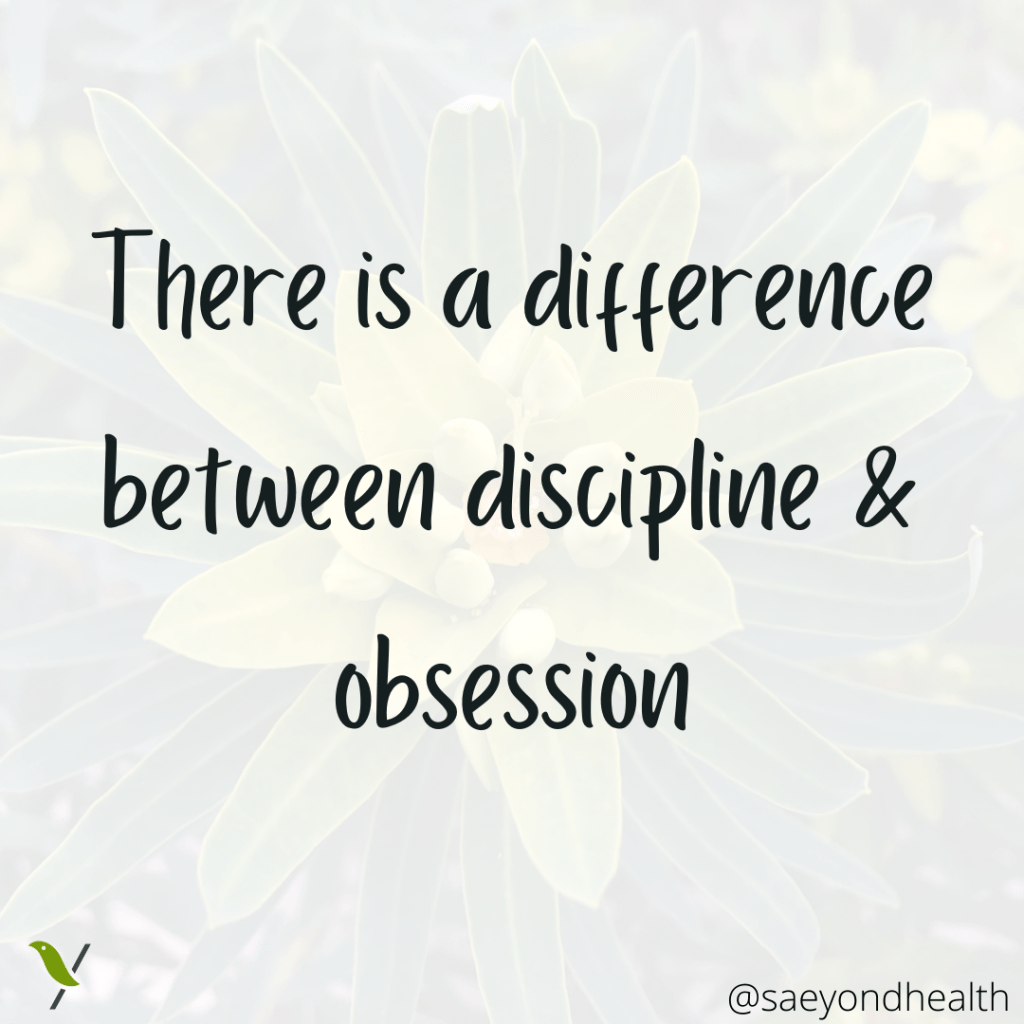
Discipline essentially comes down to asking yourself what you want more and finding methods to keep you tuned to that end game. Some powerful methods include: – Developing your mindset. -Optimising your environment to suit your goals. -Finding an orbit around positive and goals oriented people.
Discipline is also just something to practice so don’t be discouraged if you fall off the wagon. Keep practicing it with an eye to your long game and mind on your values.
Obsession can look like: -Avoiding social connections in the interest of trying to control too many variables. e.g. skipping family dinners for the sake of calorie counting. -Prioritising an exercise regime over sufficient sleep and recovery. If you only slept four hours that night be kind to yourself rather than hitting a hard sesh in the gym and wearing it like a badge of honour. -Judging others and their lifestyle choices; You do you and let others do them.
How to find that sweet spot? A few good practices include: – Mindfulness and regularly checking in with yourself maybe even keeping a journal. -Cultivating a rich life where you pursue a variety of interests and expose yourself to a variety of people and experiences. We all have something to learn from everyone and every experience can be an opportunity for growth. -Pursing health in a holistic way by investing in your mental health, nutrition and recovery as well as strengthing your body.