A smoothie that increases concentration levels, supports mood and nourishes skin. Because beauty is more than the bottles of make up we buy or fashion trends we chase; It is skin that reflects a well looked after body. It is a balanced and serene mood. It is sharp intellect and confidence. A warm-well-wish to my readers powering their way through menopause, this one is for you if you are keen to up those oestrogen levels and skin elasticity whilst decreasing those night sweats and down days.
You are reading part 5 of the harmonising hormones series. Of course mindset, sleep, exercise and hormones also play a huge role in skin appearance and brain function which this series is working its way through. This smoothie provides the raw ingredients to support the all-important nutrition component.
Hoping for a bun in the oven? Research has demonstrated impressive fertility improvements and libido increases through many of the ingredients listed. So double up the dose! Share a toast with your partner post-workout.
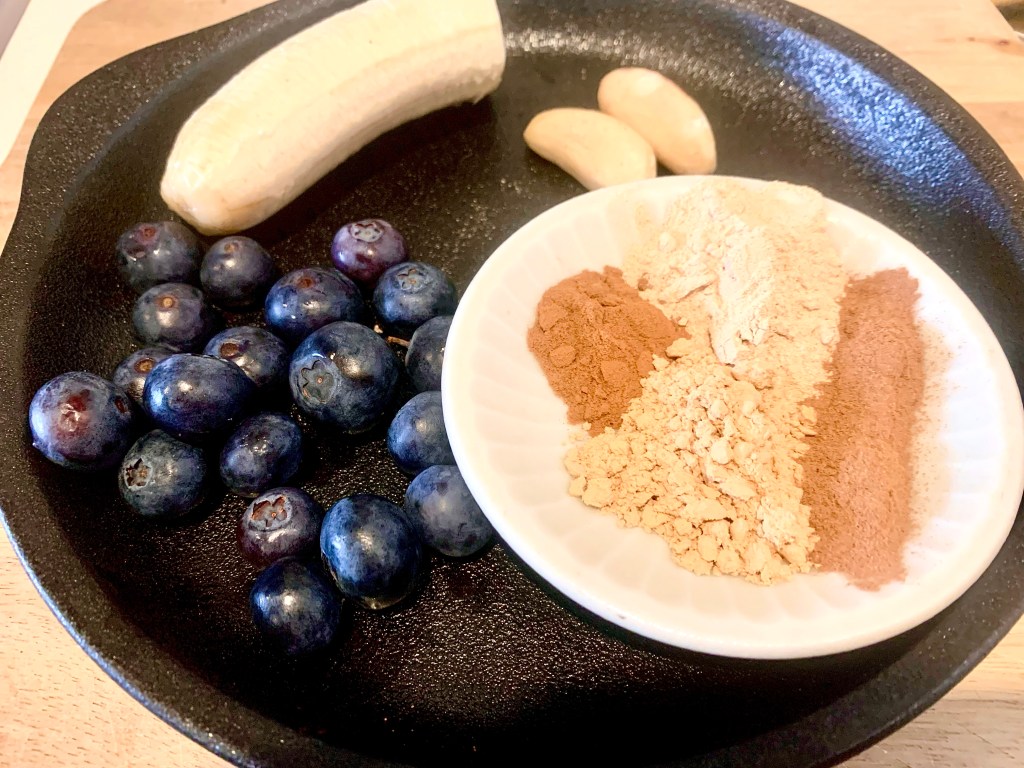
Ingredients:
1/2 banana
1 cup soy milk
1 cup of blueberries
2 brazil nuts
1/2 tbsp maca powder
1/2 tsp lions mane
1/2tsp schisandra
1/2 tsp cinnamon
Blend all ingredients together until smooth and delicious.
The low down on each ‘super-food’ ingredient:
Lions mane: improves brain function by increasing nerve growth factor (NGF)
Soy milk: boosts oestrogen production, which is important for keeping skin plump and supple but if you’re really not into soy, other milks work fine.
Maca: boost oestrogen production and balances progesterone for enhanced feelings of wellbeing.
Cinnamon and blueberries: loaded with antioxidants to fend off the free radical damage that accelerates ageing and the appearance of ageing
Schisandra: studies on this powerful berry demonstrated neuroprotective and cognitive enhancement by way of its anti-inflammatory, anti-oxidative and anti-apoptosis mechanisms.
Brazil nuts: just 2 brazil nuts a day can deliver the selenium levels you need for thyroid health as well as stronger skin, nails and hair.
Macronutrient information:
Kcal:260 7gP 8gF 40gC
Further reading and resources:
Docherty, S., Doughty, F. L., & Smith, E. F. (2023). The Acute and Chronic Effects of Lion’s Mane Mushroom Supplementation on Cognitive Function, Stress and Mood in Young Adults: A Double-Blind, Parallel Groups, Pilot Study. Nutrients, 15(22), 4842-. https://doi.org/10.3390/nu15224842
Malík, M., & Tlustoš, P. (2023). Nootropic Herbs, Shrubs, and Trees as Potential Cognitive Enhancers. Plants (Basel), 12(6), 1364-. https://doi.org/10.3390/plants12061364
Sowndhararajan, K., Deepa, P., Kim, M., Park, S. J., & Kim, S. (2018). An overview of neuroprotective and cognitive enhancement properties of lignans from Schisandra chinensis. Biomedicine & Pharmacotherapy, 97, 958–968. https://doi.org/10.1016/j.biopha.2017.10.145
You are reading part four of the harmonising hormones series with a focus on sleep and hormones involved in sleep. Everyone is different and sleep issues can be the result of how your unique environment is interacting with your genes. Take heart! There are some brilliant actions you can take to self-love yourself to good sleep.
What does this mean? One person may have sleep issues that are a result of a drop in hormones as they go through menopause whereas another’s issues may be a result of neurotransmitter deficiencies due to their ADHD. This would require different treatment options. The below offers a guide for some of the more common issues. Take the time to get to know what is driving your issue for a targeted solution.
Step 1: work out what is driving the sleep issue. The following tools may help:
hormonal panal
blood test (asking for major hormones incl progesterone, blood panel, iron and a CMP)
Assess for underlying neurodevelopment condition (ADHD, ASD etc) or anxiety
Step 2: Establish good sleep hygiene and do the behaviour things first
Make your dinner rich in carbohydrates. Your body will use these carbohydrates to produce serotonin which is a hormone that creates feelings of satiety and relaxation.
Once you have had your last meal, have a cup of sleepy tea (look for brands that contain lemon balm, passionflower or oat flower) and then start to avoid food and liquids in the two hours prior to bed.
Spend your last hour before bed journalling the things on your mind, enjoying a hot shower. You want to avoid your phone and other sleep disputants (incl alcohol)
An important one; Turn off the bright lights in your home, opting for low, warm, dim lights. Avoid looking at a computer screen or your phone. You brain will take its cue from the light information your eyes get about where you are at in your circadian cycle. Important hormones you need for sleep such as melatonin will be inhibited by light exposure. This may mean learning to brush your teeth in the dark but it is worth the quality rest.
Step 3:
Once you know what is driving the underlying issue and it cannot be solved through behaviour modifications, use targeted supplementation
For a dysregulated Central Nervous System:
Magnesiumbisglycinate or threonate
If the issue is hormonal
Progesterone imbalance: Vitex, zinc, vitamin d, iron
low oestrogen: Evening primrose oil, maca, st johns wort, zinc, iron
Cortisol/stress: Vitamin C (In the morning) Ashwaghanda, rhodolia in the evening, Phosphatidylserine 400-800mg/day
If the issue is driven by ADHD
Support serotonin deficiency with: tryptophan (precursor amino acid to serotonin)
Support dopamine deficiency with: l-tyrosine (early in the day, it is the (precursor amino acid to dopamine).
Support dysregulated melatonin with: honey
Support dysregulated cortisol with: exposure to natural light, carbohydrates in the morning, avoid stimulants after 3pm
If the issue is driven by ASD
N-Acetylcysteine (works by decreasing cerebral metabolism and converting glutamate production to GABA production. GABA being an inhibitory neurotransmitter)
If it is anxiety and mind racing (note that this can be a result of the above and so treating both the upstream cause and real time experience is most effective:
Glycinate, GABA or reishi mushroom powder.
Menopausal specific tips:
Hot flushes and a decrease in the hormones that help us to sleep can feed into decreased energy and mood through out the day. If that means you are opting for less exercise and movement and feeling the stress effects of that, it can start to feed into a pretty horrific cycle.
Some tips:
Exercise early in the day and aim for a wind down walk in the afternoon
Keep your room and body cool with light sleepwear and sheets and a fan if possible. A mattress cooler can be a great investment too.
Supplements to support progesterone and serotonin or consider hormone replacement therapy
Cycle ashwhaganda to decrease cortisol, improve mood and decrease hot flushes.
Healthy connection and relationships, volunteer work and journaling to decrease stress.
Avoid napping during the day and stimulants after 12 noon. Alcohol will also disrupt sleep.
Pregnancy insomnia:
During the 1st trimester a drop in hormones can induce pregnancy insomnia.The next two trimesters can make it harder to find comfortable positions during sleep. It is important to look after yourself during this time and there some awesome positive actions you can take!
Some tips:
Taking good quality pre-natal vitamins that include folate and magnesium (which also helps prevent night-time restless legs.
Follow the above advice, specific to menopause except for the supplements and HRT advice. It is important not to take anything that will disrupt your bodies hormonal response.
Pregnancy pillows can help you find better sleep positions.
Opt for smaller meals and a light dinner to prevent night-time heart burn or GERD.
Pre-natal exercise for a safer delivery, improved health pre and post-partum and to decrease chances of developing post-partum depression.
For your health (and that of your baby if pregnant or breastfeeding) it is important you consult your trusted health care professional before take any of the above mentioned advice. Know yourself and make educated and well researched decisions for your unique health needs.
Need a guide who can look at your full picture of health? It can feel daunting to think about sleep, hormones, nutrition and exercise but great results comes from a holistic approach.If you need someone on your team who will take the time to get to know you and provide the support and advice you need to feel your best, reach out!
Burns, A. C., Saxena, R., Vetter, C., Phillips, A. J. K., Lane, J. M., & Cain, S. W. (2021). Time spent in outdoor light is associated with mood, sleep, and circadian rhythm-related outcomes: A cross-sectional and longitudinal study in over 400,000 UK Biobank participants. Journal of Affective Disorders, 295, 347–352. https://doi.org/10.1016/j.jad.2021.08.056
Bushana, P. N., Schmidt, M. A., Chang, K. M., Vuong, T., Sorg, B. A., & Wisor, J. P. (2023). Effect of N-Acetylcysteine on Sleep: Impacts of Sex and Time of Day. Antioxidants (Basel, Switzerland), 12(5), 1124. https://doi.org/10.3390/antiox12051124
ettweiler, U., Becker, C., Auestad, B. H., Simon, P., & Kirsch, P. (2017). Stress in school. Some empirical hints on the circadian cortisol rhythm of children in outdoor and indoor classes. International Journal of Environmental Research and Public Health, 14(5), 475-. https://doi.org/10.3390/ijerph14050475
Haufe A, Leeners B. Sleep Disturbances Across a Woman’s Lifespan: What Is the Role of Reproductive Hormones? J Endocr Soc. 2023 Mar 15;7(5):bvad036. doi: 10.1210/jendso/bvad036. PMID: 37091307; PMCID: PMC10117379.
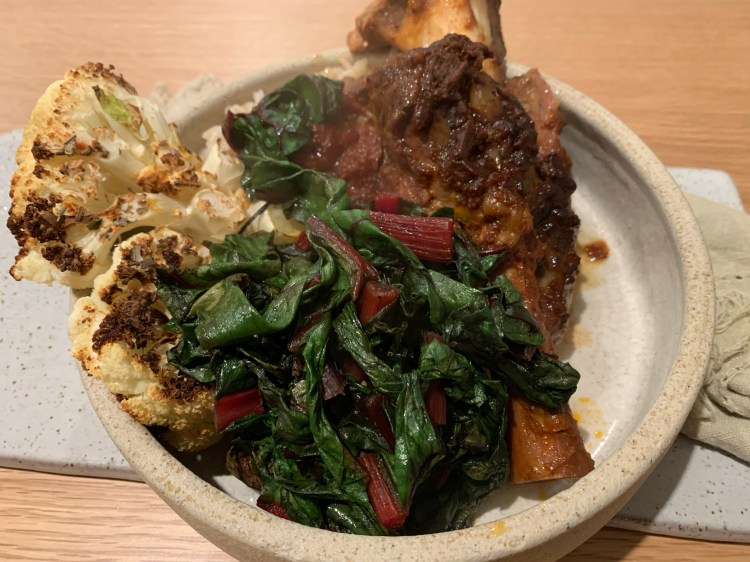
Slow cooking meat on the bone is an ancient art. Imagine your ancestors making their way home from a hard morning’s hunt. They awoke at dawn to go out together, go about the plains and bring home food for their community. We can admire the social connection of their coordinated efforts, the mindful-ness and lack of distraction as they observed the tracks and weather patterns presented to them.
Their hand crafted tools and generational knowledge served their hunt. The meat they brought home would have been highly nutritious, from free roaming beasts living a good life before becoming a part of the food chain. As it cooked away on the fire on the bone the meat would have started to fall apart, taking on a greater infusion of nutrients from the bones such as zinc, magnesium and b vitamins.
Anthropologists suggest the above as reasonably accurate but the picture certainly wouldn’t have always been this rosy. Can we then, living in the age we do, achieve the best of both worlds?
Maybe your day looks a little bit more like going to a group exercise class and then popping off to your local butcher to hear his recommendations for your slow cooker. Or: chasing your kids around the playground with some fellow parents and feeling delighted at the prospect of the better priced ‘slow-cooker-cut’ that is cooking away with minimal effort for your families dinner.
Below is a recipe that aims to save you time, deliver nutrients, be shared with others all for the good and holistic cause of hormone optimisation for health and longevity.
Ingredientsto serve 4 or 2 people and next day’s lunch
Appliances needed: Blender (I used a magic bullet), a slow cooker and oven or air fryer.
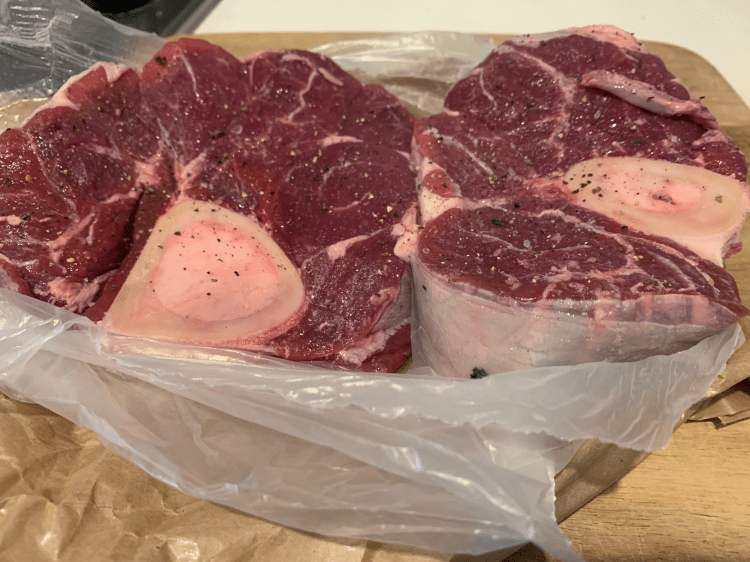
1/5 kg beef shin
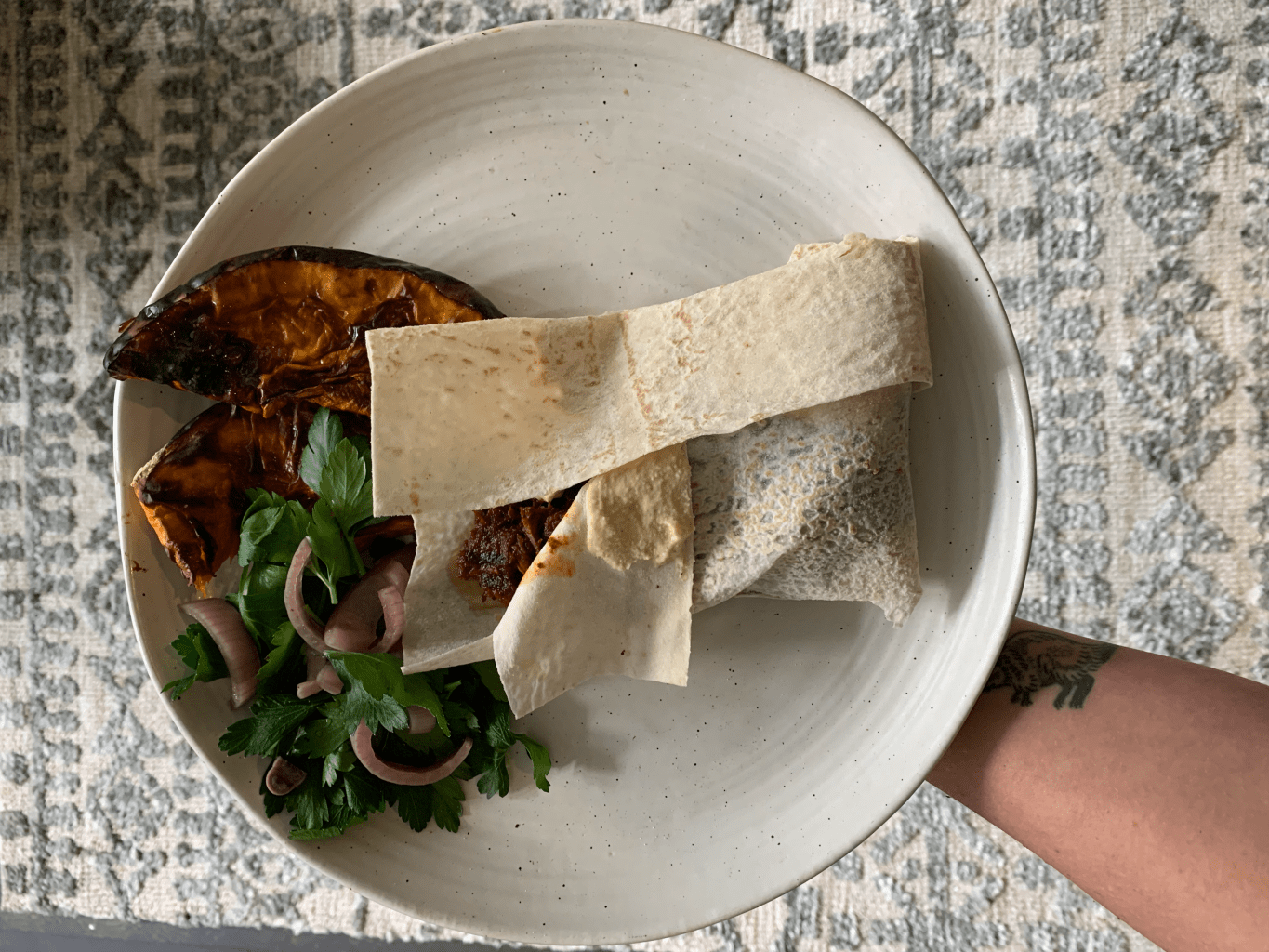
1/2kg sliced pumpkin
wraps (I used the mountain bread brand, they fall apart but they don’t leave you feeling to heavy and carb loaded).
Get a pan on medium-high heat whilst you salt and pepper your beef shin. You may need to drizzle a touch of oil on your pan. Once the pan is at temperature, carefully place the beef shin in to sear off 3 minutes each side.
While the beef shin is searing, add the tomato paste, garlic, cherries tomatoes, stock, soy sauce, spices and oregano to the blender. Whizz until a smooth paste is formed.
Turn your slow cooker on (Check its plugged in to save you heart break at 6pm) and add the beef shin and contents of your blender. You want it to cook for at least 6 hours depending on your slow cooker, if it’s cooking for 8 or 10 that will also give you a great result.
When it’s got 40 minutes left. Turn your oven on or prepare your air fryer. If air frying: Add your slices of pumpkin to the tray, salt and let go for about 35-38 minutes on 180 degrees. If using an oven, line a roasting tray with baking paper, you may need to drizzle a bit of olive oil, salt and pepper the pumpkin slices and let roast for 30 minutes on 190-200 degrees. Check on your pumpkin while it is cooking to avoid burning.
5. Once all your elements are ready, simply arrange in wrap format on a plate, laying your parsley, pickled onion (if using) and pumpkin beside.
The following macros are per serve and assume you opted for the mountain bread brand of wraps:
Per serve: 359kcal 34.5gP 10.8gF 31.2gC
You have read Part 3 of the harmonising hormone series. We can feel empowered by the age we live in with access to great quality food, multiple options to connect through exercise and the information readily available to us for learning how to best look after ourselves. Fortifying the pillars of nutrition, training and connection is a game changer for balancing hormones, fending off metabolic disease and protecting mental health.
Make these your focus, any way you can, and enjoy the benefits of healthy hormones!
Coming next: The specifics of sleep and hormones involved in sleep.
These textures were mind blowing. I didn’t know what my life was until I had experienced this level of cloudesque mousse, three different kinds of gooey coming from the peanut butter, berries and banana and the satisfying crunch and chew of the granola. No, there’s no sugar, yes it absolutely appropriate for both breakfast or dessert.
You are reading part two of the Harmonising Hormones series. High protein, high carb breakfasts serve to improve the synthesis and function of hormones by both providing the ingredients to do so and assisting in ideal levels of the hormone, cortisol. Whether it be fuel for or recovery from exercise, this bowl will also support your training goals and muscle synthesis.
Fasting is not for everyone and some of us need to start our day with a delicious balance of carbohydrates, fats and protein. There is no need to fear any of the afore mentioned macro nutrients. They are just that: nutrients! There to serve and nourish us should we choose to eat mindfully and with respect to balance and our bodies.
Ingredients:
For the mousse (To be whipped up the night before):
1 tbsp cacao powder
15g collagen
20ml milk of your choice
1/2 tsp honey raw honey (optional)
Simply shake up in a jar and leave in the fridge for 8 hours or store for up to 3 days.
The rest of the bowl:
1/4 cup granola of your choice (I look for no added sugar or sulphites, local and at least a 4/5 for chewiness).
1 tsp peanut butter
handful of berries
1/2 chopped banana
dash of milk of your choice to reflect your preference of crunchy over slurpy
1tsp cinnamon (optional)
dash of salt
Method:
Make your mousse the night before by combining all ingredients in a jar, giving it a good shake and leaving to set over night. So simple!
The next morning, all you need to do put the above ingredients together in a bowl and enjoy mindfully, taking care to chew properly and without social media distractions to better experience the flavours and avoid bloating.
Date idea? Invite a friend over for a workout or run and whip the bowl up together after! This bowl also travels pretty well in a lunch box if you are planning some hiking! Remember the importance of connection. Live the good life in the real world.
Macros: The following are per serve. Per serve: 376kcal 24gP 13gF 42gC
Consider this article a dip into the waters of hormone optimisation and the start of a harmonising hormones series. Read on if you would like to learn more on fertility, energy, sleep, cognitive function, mood and performance through improving your hormone health.
You are heart, soul, experiences, wants, needs and feelings. You are also though, a chemical soup. The hormones, neurotransmitters and genetics within you drive a lot of your behaviours and desires. Most of us are familiar with PMS even if it is not something we have experienced ourself. Other examples of run away hormones can look like over reactions, anhedonia, inability to fall asleep, hunger, lack of energy or weight gain.
Hormones can be understood as chemical messengers that are released from one organ to act on another. Genetics, environment, nutrition and behaviours all effect the functioning of these hormones, for better or worse. Hungry? That’s a hormone called ghrelin. Relaxed? Thats’s progesterone. Heart pounding and palms sweating? That is cortisol. Falling in love? That’s wonderful. Its also a rich interplay of oxytocin, serotonin and dopamine. Yup! Chemical soup.
A cautionary note before we begin. Do not allow the following information to pathologise or invoke cynicism on your human experience. You are a unique individual and what you perceive and feel is very real and special. This information is to arm you with tools for an even more remarkable and feel-able human experience. Of which you only get one. This information is also general in nature and not a direct prescription for you and you are responsible for your own health and well being. You are encouraged to do your own research and seek other advice if necessary before making any changes.
So, without further delay, five things you can do and I wish I had done sooner, for better hormone health.
Addressed iron deficiency straight away. Iron deficiency is common and we sort of just think, oh well, I feel okay enough. Iron is a critical raw ingredient in so many hormones, notably progesterone and your thyroid. Long term deficiency in iron can equal long term depression of these crucial hormones leading to imbalances and the resulting symptoms of sleep problems, anxiety, slow metabolism and decreased energy. Get it checked and get it sorted. If you are low:
find out why and take steps to address the root cause of the issue.
and get yourself topped up!
Changed the way I enjoy coffee. I was definitely one to drink two double espresso on an empty stomach (yes, that’s four shots), do some high intensity training and resist a much needed, restorative, carby breakfast after. I cringe when I think of those days now. Double espressos without a buffer of carbs or protein will increase your cortisol production and depress your other hormones. Why? Your body priorities cortisol production because it is the hormone that mobilises fuel and increases alertness, it is what gets you away from the hungry tiger. What this means though, is while your body is producing cortisol, it will be directing less resources towards the production of other hormones. How do carbs come in? Ingestion of carbs invokes an insulin response. You want the insulin response when you have a coffee as it acts like a shut of valve to cortisol.
These days, I stick to one, weak coffee a day, if that, and enjoy it along side protein and carbs rather than by its self. The result? My workouts are better, my appetite regulation, feelings of wellbeing and sleep… all so much better.
Fuelling myself properly when training to avoid getting too lean. Five months went by and I still hadn’t menstruated and this didn’t seem like a problem to me. Pesky, inconvenient, monthly thing be gone and good riddance. Getting to such a low body fat percentage that you loose your period, however, is not a good thing. Your cycle is a monthly report card of your health.
Important hormonal processes take place within your fat cells, the conversion of testosterone into oestrogen being one. Too little body fat will also depress your thyroid function, only serving to knock your temperature regulation, ability to burn fat and sleep about in the future. Some people are naturally more lean and if this is you, thats so fine. Optimal body composition is highly individual but once you know your sweet spot, try to maintain that through a proper balance of training and nutrition.
Being Smarter about diet and supplementation. As mentioned above, your hormones are made up of the raw ingredients you get from food. Zinc, iron, and other minerals, various amino acids and vitamins are all extracted by your incredible body to create hormones. If you are deficient in any of these ingredients, your body will simply not be able to produce what it needs.
If I could go back I would:
Aim to get a variety of amino acids through a weekly cycle of various meats, eggs, beans and nuts.
Aim to get daily serves of all my colours.
Focus on my gut microbiome
As for supplementation:
Some need to be cycled on and off, an example would be evening primrose oil in the first half of your cycle and vitex in the second half. Even these natural supplements can have super powerful effects, shortening or lengthening your period and affecting your ovulation.
Using exercise to spend time outside, connect and destress. Which sounds right, right? But how many of us get stuck into a routine of either not exercising at all, getting in the bear minimum step count on the treadmill or slogging out HIIT workouts in the gym that we never use in the real world. Putting on muscle and regularly getting your heart rate up is critical for longevity. A couple things to keep in mind:
Let your gym workouts fuel life outside the gym, be fit enough to hike, strong enough to help your friends move house, energised enough to run around with your kids.
Get outside! It is a gorgeous world out there! There are mountains to be conquered, rivers to be navigated and friends to enjoy it all with.
So book the beach pilates class with your friend, join that hiking group and feel the benefits of movement transcend aesthetics to enthuse your mind and soul for the wider world.
As mentioned, this is part of a series on harmonious hormones. Over the next few weeks, I’ll de delving into each of the above a bit more as well as focusing on the specifics of sleep, mood, fertility and each of the hormones themselves.
If you would like to learn more about your hormones and how nutrition and exercise can be used as tools then reach out to the below, I would love to help you.
Savitha, V., Mamatha, Madhu, B., Mahesh, M., & Bantwal, G. (2023). Testing the Tormenting TRIO: A Study of Thyroid Autoimmunity, Iron Deficiency and Thyroid Diseases in the First Trimester of Pregnancy. Journal, Indian Academy of Clinical Medicine, 24(1), 12–16.
Wyness, L., Stanner, S., & Buttriss, J. (2013). Nutrition and development : short- and long-term consequences for health (1st ed.). published by Wiley-Blackwell for the British Nutrition Foundation.
Yusni, Y., & Yusuf, H. (2022). The acute effects of coffee consumption on blood glucose and it’s relationship with serum cortisol and insulin in females. Farmacija, 69(3), 903–910. https://doi.org/10.3897/pharmacia.69.e85397
Ready to enjoy that gooey sensation of the yolk possibly making for a chin run as you crunch into that creamy quark, crispy rice cracker texture combo? Light, fresh, satisfying and reminiscent of European brunchy goodness. Quark is a wonder food. It achieves it’s gut boosting qualities through a traditional fermentation process and is high in protein, calcium, b12 and other essential nutrients. It can be drizzled with honey and cinnamon and dolloped on granola or used in savoury dishes as I have here. I was lucky enough to discover it as a back packer in Slovenia, treated to an authentic breakfast of pickled veg, quark and egg on sourdough. The perfect pick me up after an overnight bus and fuel for a days exploring.
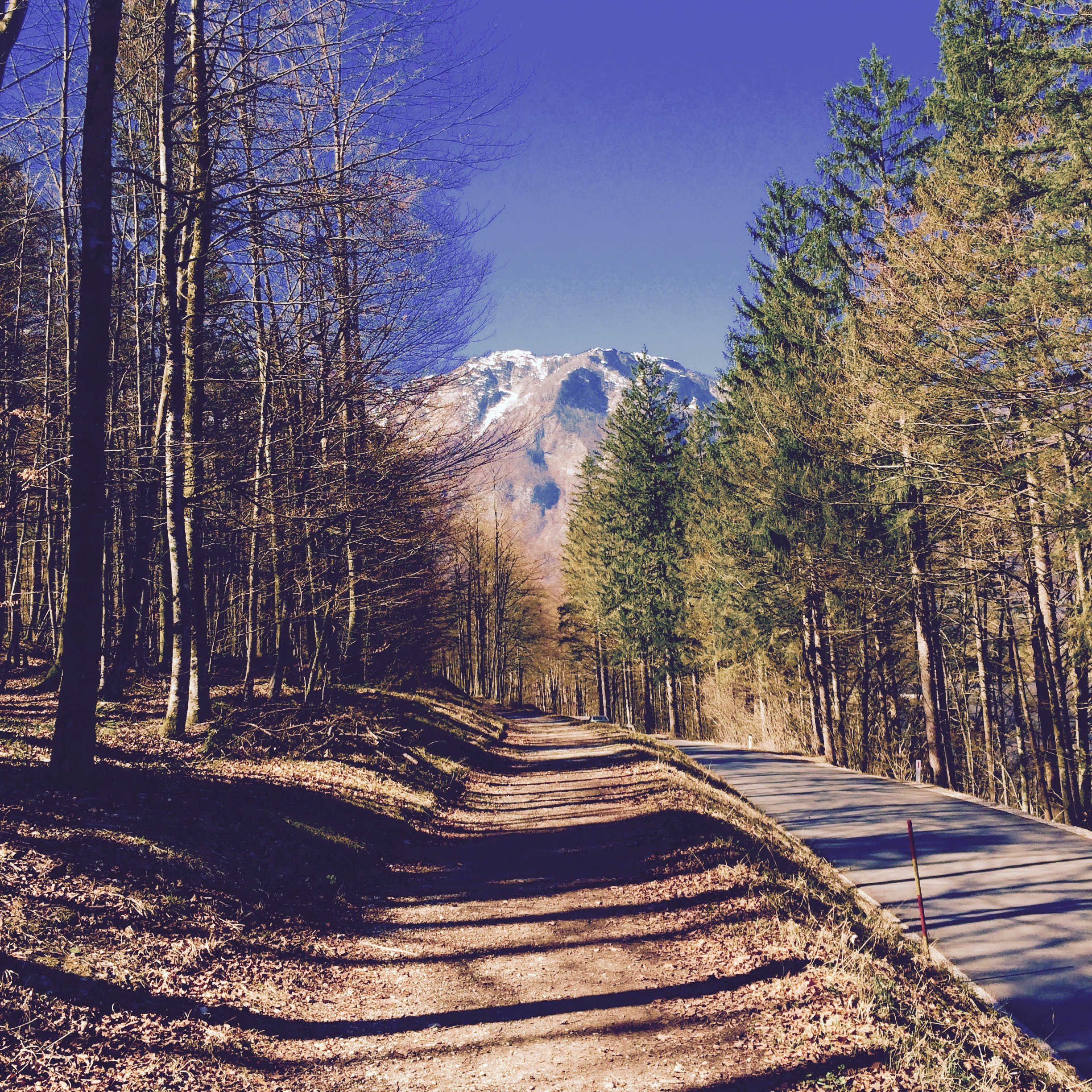
Time in Slovenia is absolutely conducive to health and longevity. The people are amazing, the outdoors inspire activity and the food is whole and fresh. Think looming mountains, deep lakes and vegetables that travel around 15kms from farm to market to fork. Tomatoes ripened on the vine and dairy crafted by generational masters. I can’t help but share some pictures. If you hear siren calls as you scroll below, know that you are not the only one. If you are looking for the type of active escape that has you feeling restored and recharged on your return, look to the East of that European map.
And now! Back to this brunchy recipe: Ingredients:
100g Quark
1 egg
1 chopped tomato
1/2 small cucumber
bunch of parsley (shout out to Phil and Lyn’s garden for sponsoring this herb, so grateful for your vege spoils)
2 Rice crackers
1 tsp grass-fed butter
squeeze of juice from one lemon
1 tsp dil
salt and pepper to taste
Method:
Quark, dill, salt, pepper and lemon juice get whipped by fork in a bowl and the vegetables get chopped into the thinnish slices that are ideal for topping rice crackers.
Heat butter in a pan and crack in your egg to fry to your liking. I like a running yolk but crispy bottom so four minutes on medium-high works for me.
Slather your rice crackers with the quark, lay on the egg and arrange your pepper cracked vegetables in and around. Pinch of salt to finish off your plate.
If you can enjoy near some plants, do so.
Macros: The following are per serve. The egg, quark and veg do lend themselves to sourdough or rye but these are not factored in the below. This portion and calories represent a good snack, light breakfast or would suit someone needing to loose weight. know yourself and eat for your goals, no more, no less. Xx Per serve: 271kcal 22gP 11gF 21gC
A final note to wrap up this series which I so enjoyed researching and putting together for you! Grey skies, colder climes and drizzly days may not sound so enticing. In fact, this is the season where depression rates are highest. Winter-pattern depression or SAD (seasonal affective disorder) is quite the phenomenon and one to be proactive against. Increased incidences of flu, colds and that general blah feeling (wanting to hide inside under a blanket with tea in hand) correlate with the colder months. As rough as that can sound, there are bright spots to be found and tools to be developed and used to bolster your feelings of well being and stay grounded.
You may be familiar with the concept of digging the well before you need the water. In the context of avoiding SAD and other transitions that may pop up this can look like the below.
Tools to leverage your mindset against the Winter Blues:
Flip your perception: down times can often be the result of our spiralling perceptions. Know that your experience is valid and you absolutely do not need to justify to anyone why you would be feeling down. You can though, be emboldened and encouraged by the thought that how you perceive life events and even things like the weather can have physical and psychological effects on you. What this means in practical terms? Simple internal dialogue cues like “I get to go for a walk outside.” Instead of, “I have to go for a walk outside.” and feeling gratitude for the warm jumper, cozy company, and house you have to come home to after a walk outside. This way of talking to yourself can establish a more positive mindset and the more you practice it, the more fluid and default it will become.
Look for the positives by writing a Winter Dream-List: This is an epic activity to do solo or a super dreamy bonding activity with a friend or your partner. Think about things like:
a mulled wine party
movie night
exploring some botanical gardens
checking what local community events are being organised
trying out a new curry restaurant
getting in that hike
learning how to knit or
volunteering in your community to help those most affected by winter such as the homeless or kids struggling to afford warm, winter clothes.
Get your friends and family on board: Communicate to them the benefits of the season, plan some activities and outdoor things together and offer them a light if you can.
Exercise: exercise is incredibly protective against depression, anxiety and the winter blues. You can aim to either stick to an established routine or use the season as the challenge and motivation to build one! Even a walk outside, jacket on can be a win. Inviting a friend to a pilates class or booking yourself into the gym are also awesome options.
Know yourself: Do you need a to plan ahead for seasons like this? Accepting and working with your needs will lead to better outcomes. The best tools and resources that will work for you can be developed from a place of self-awareness and this is true for many transitions and life events.
Personally, I know my day flows better when I give myself time between tasks to transition and re-focus. I know I’m more motivated to exercise in the morning so I get it in then. I know I love walks in the afternoon to decompress and absorb the things I have studied and observed, to use what I have learned for work or uni assignments. I don’t feel guilty about taking the time to do this and neither should anyone if that is what serves them, their family and their career ambitions best.
Further reading and resources:
Brosse. (n.d.). Exercise and the treatment of clinical depression in adults: recent findings and future directions. Sports Medicine., 32(12), 741–760. https://doi.org/info:doi/
Salmon. (2001). Effects of physical exercise on anxiety, depression, and sensitivity to stress: a unifying theory. Clinical Psychology Review., 21(1), 33–61. https://doi.org/info:doi/
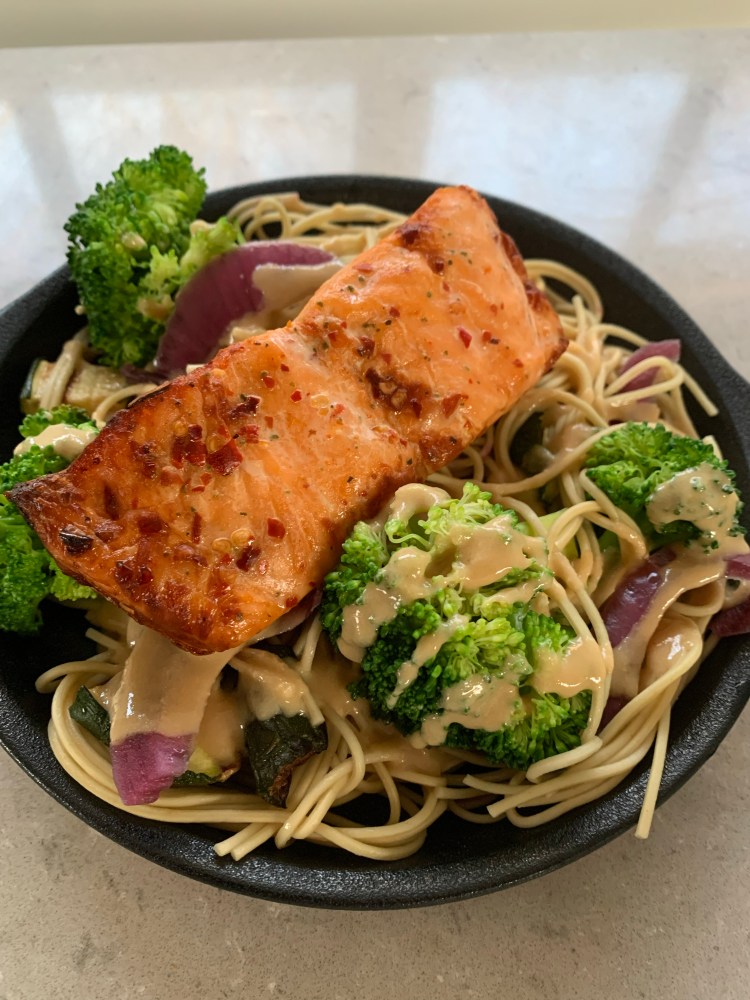
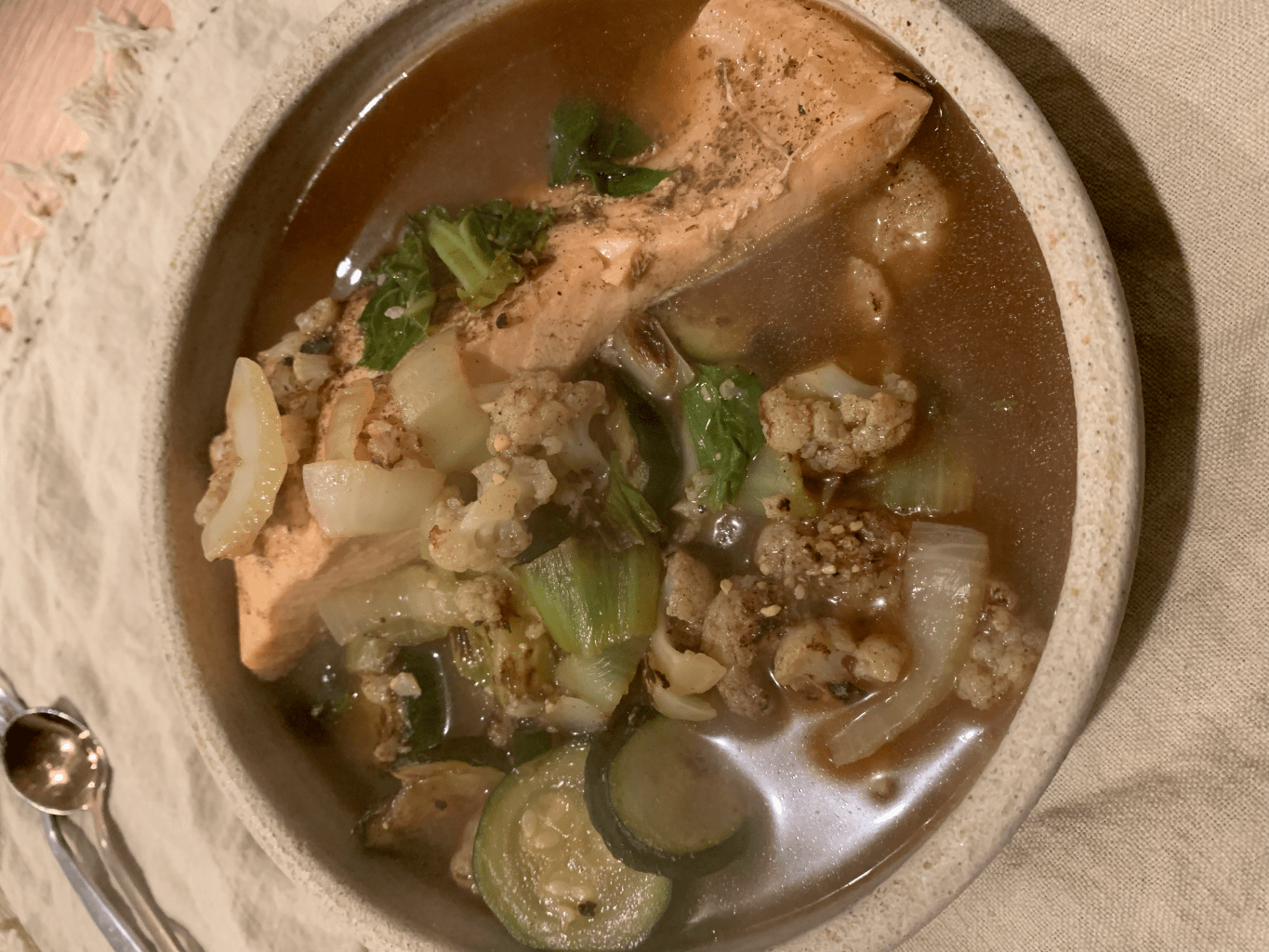
Because fish love to swim and the subtle, warm flavours of miso were made to marinate this marvellous meat.
This is the final recipe in the Winter Wellness series. It’s warming up here in Melbourne and feeling like we are being treated to an early Spring. I hope you enjoyed the series and you feel lifted and engaged by the potential the rest of the year has to offer.
Ingredients:
2 fillets of salmon (250g-ish)
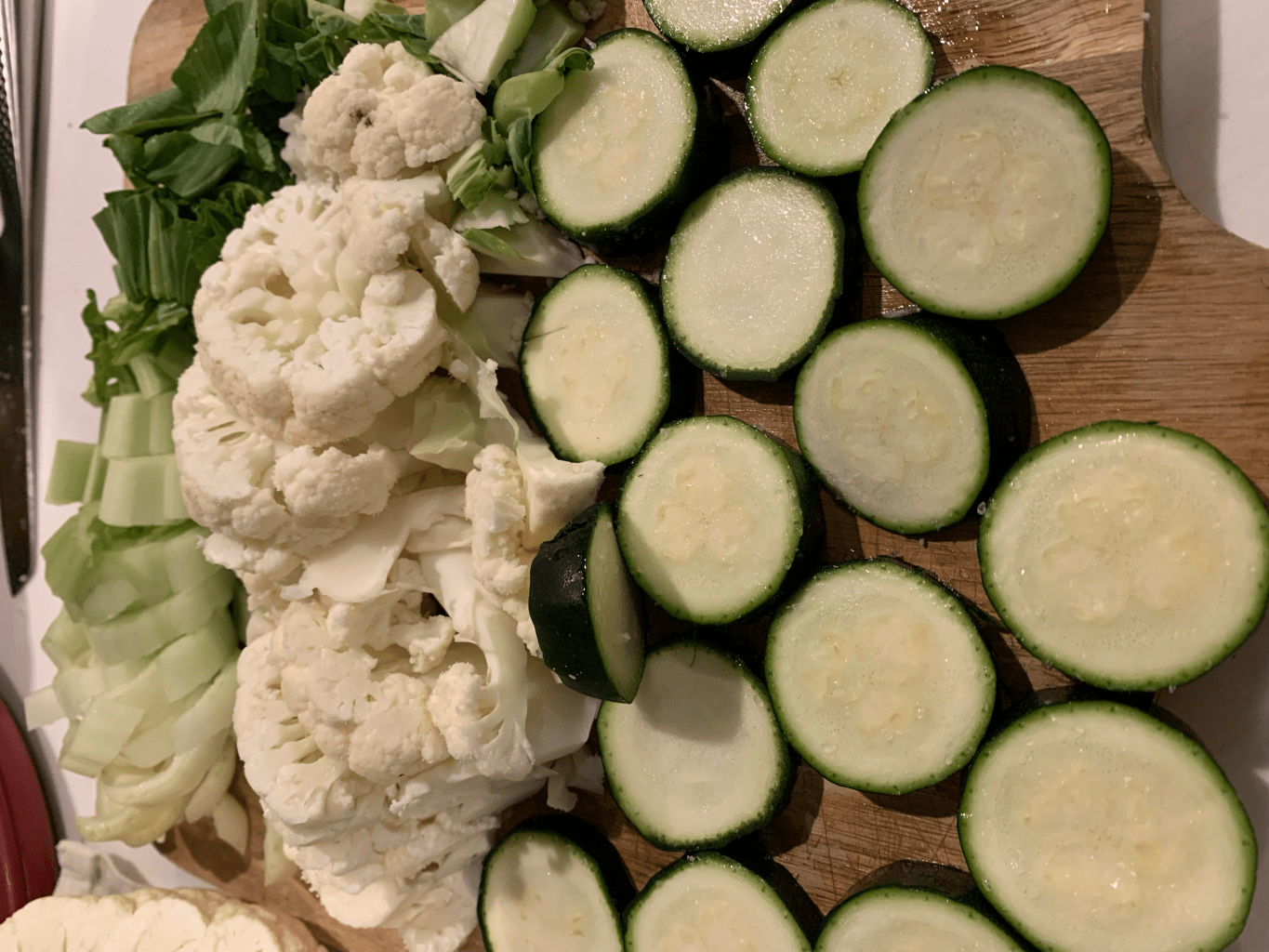
1 zucchini (sliced and salted)
1/4 head of cauliflower
a bok choy
2 tbsp miso
1 tbsp bone broth or other stock
1 tbsp soy sauce
1 tsp oyster sauce
1 tsp mixed spice
Method:
Get your pan (ensure it is quite deep and has a lid at the ready) warming to a medium heat and boil a 450ml of fresh hot water in a kettle.
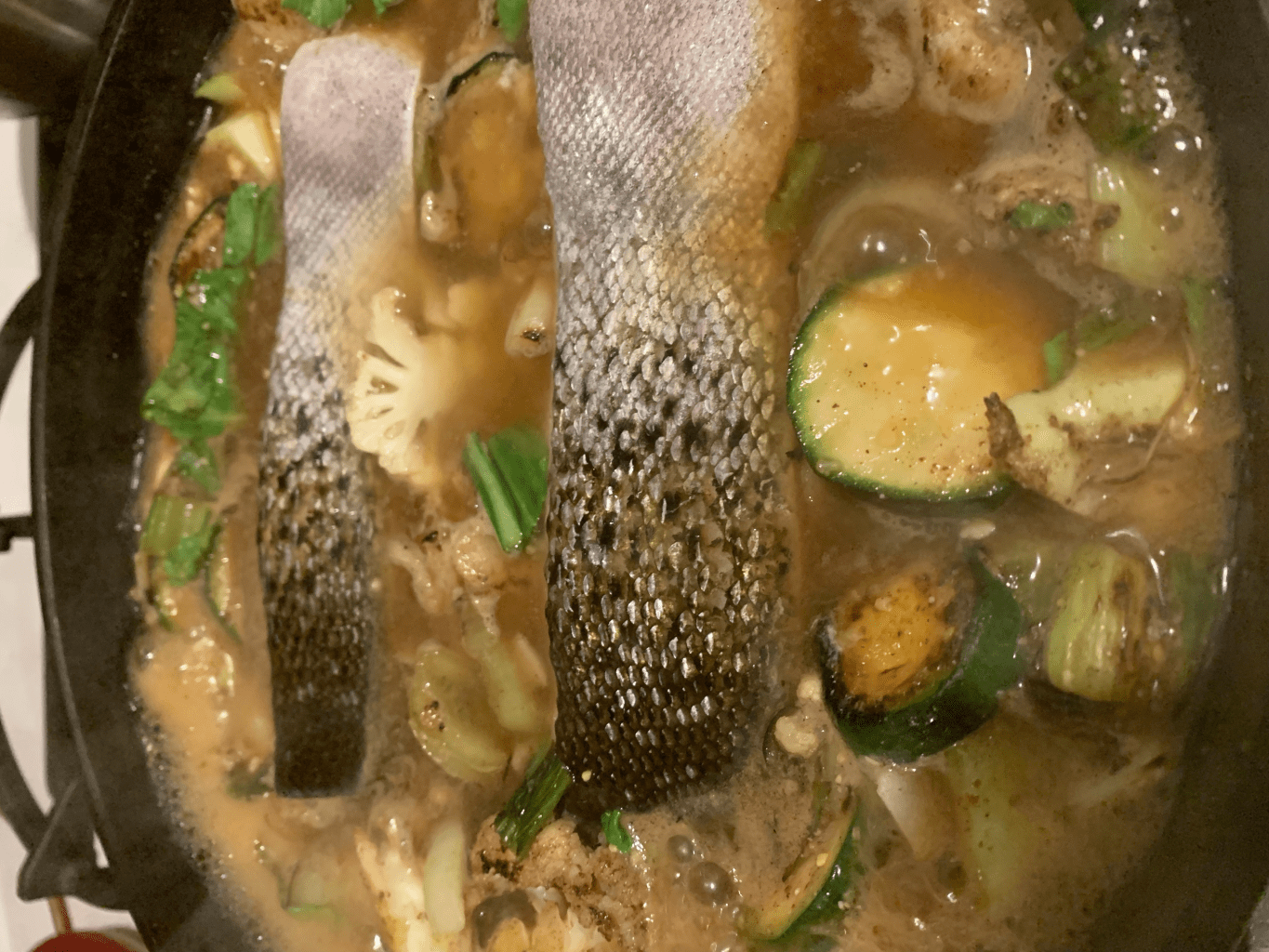
Sauté your zucchini and cauliflower on gentle heat for 3 minutes, stirring frequently. Pour hot water and all the rest of the ingredients but for the salmon and bok choy into your pan.
Turn the heat to high (it should be just bubbling) and place the salmon fillet into the brothy wonder mixture. Place your lid on the pot and watch it doesn’t boil over, reducing the heat if need be. After 4 minutes, add the bok choy and allow to bubble away another 3-4 minutes, depending how well cooked you like your salmon.
Carefully serve in pre-warmed bowls and enjoy over a candle, soulful playlist and the blinds up to enjoy that gentle winter sunset.
Macros: The following are per serve. Note that a serve of rice or noodles would be great to bolster the meal with some carbs but these are not factored in the below. Per serve:386kcal 35gP 22gF 12gC
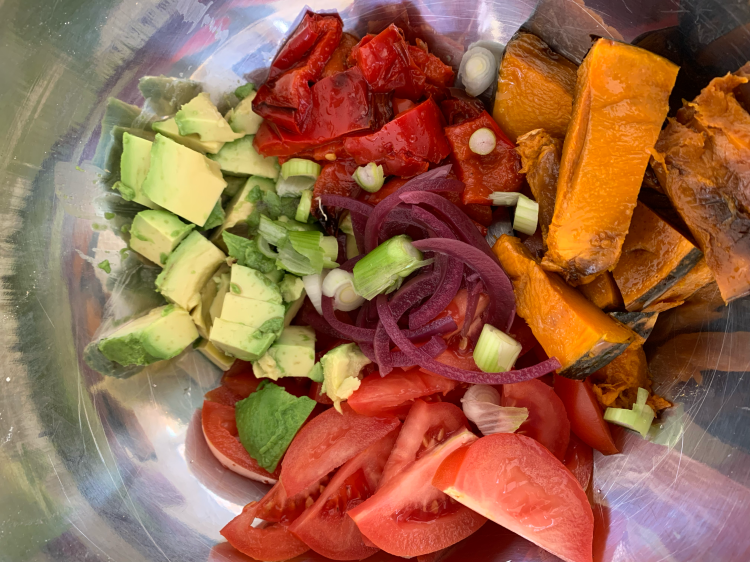
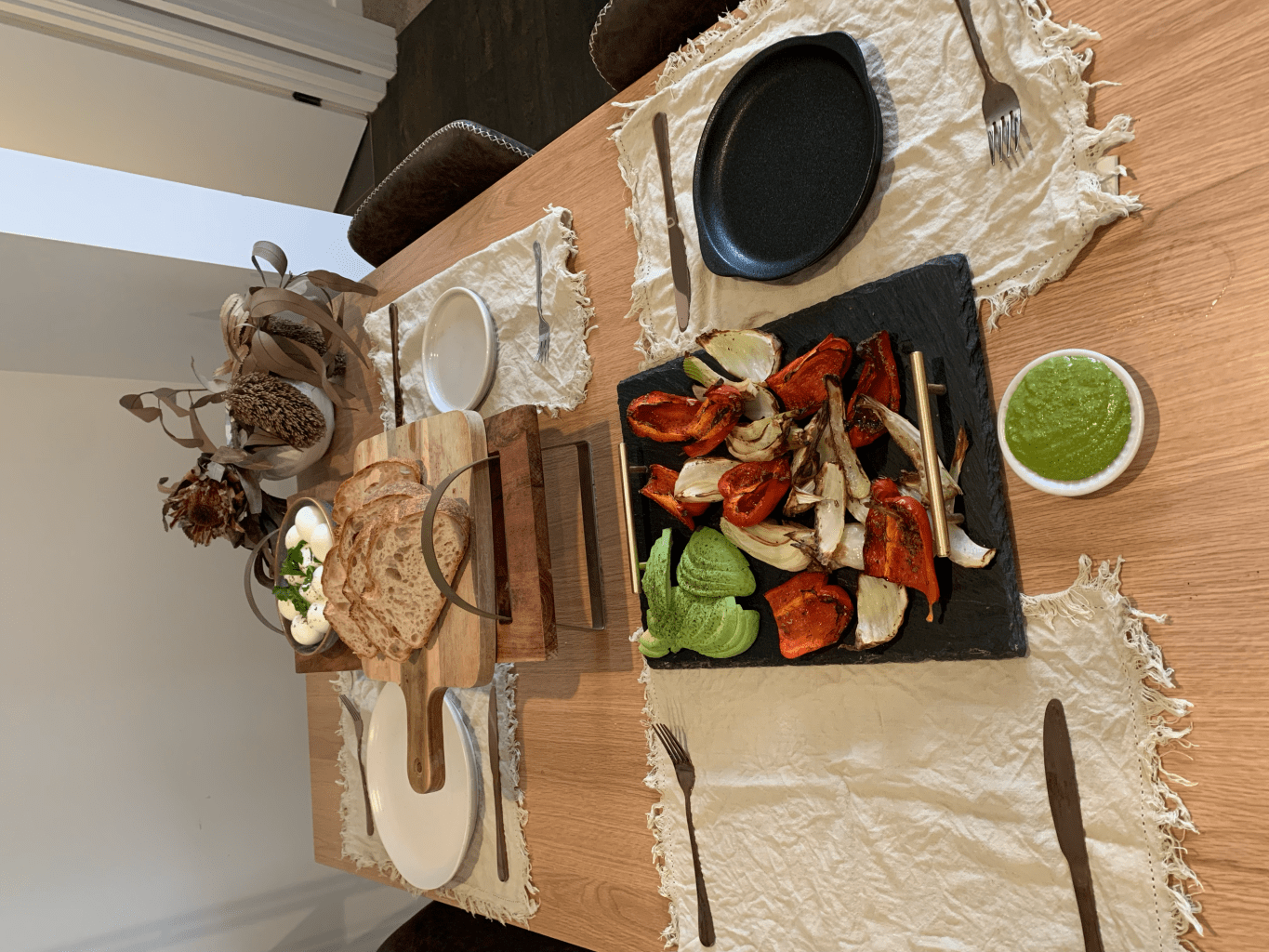
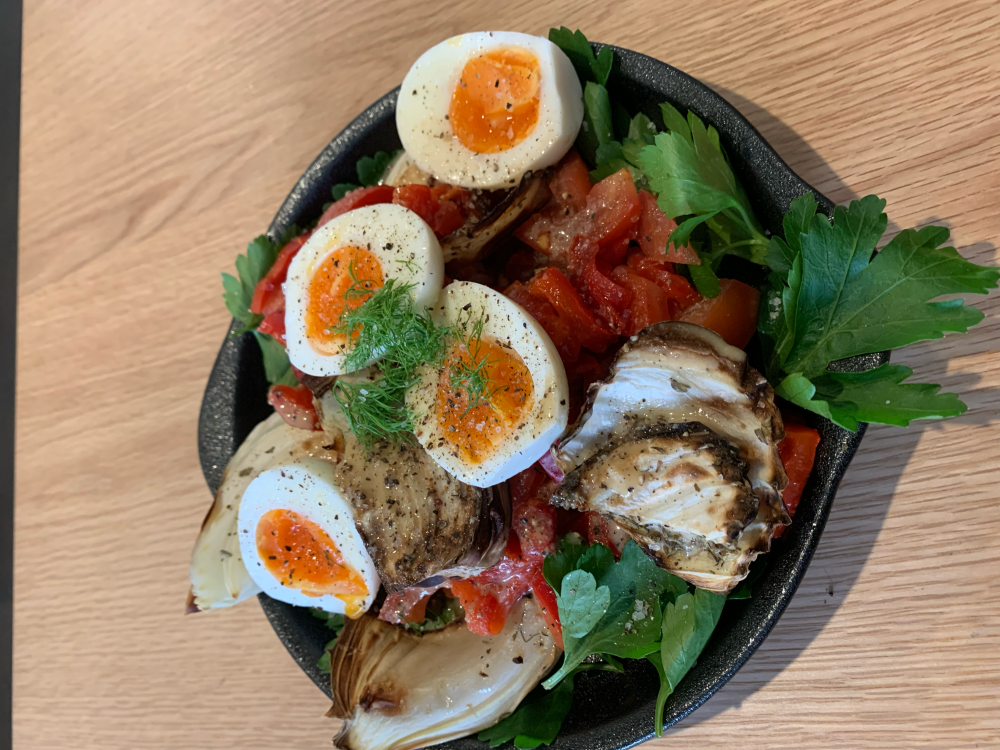
When the sky turns overcast, connection is key. You are still reading the Winter Wellness Series. Though a salad doesn’t scream cozy to most of us, consider the nutrients nestled within. Grilled capsicum is as flavoursome as it is high in vitamin c. Parsley and fennel are brilliant gut microbiome boosters. The vitamin d present in the eggs is also a key nutrient for immune health and enjoying a stable mood.
Salads are the ticket for incorporating high, seasonally driven variety. Also a good option for staying light and energised throughout the day, as apposed to heavier, traditional winter comfort food (that is best saved for dinner).
Note that this is not strict recipe format, this article is more to serve as inspiration for brunch gatherings or solo, healthy options. However, do save the ingredients for the dressing. Its too simple and super tasty.
Ingredients for 4:
8 eggs
2 capsicum
1 whole fennel bulb
1 avocado
parsley
mixed herbs (optional)
pinch of salt and pepper
Loaf of sourdough (optional, locally crafted is ideal).
Super simple dressing:
1 part soy sauce
1 part lemon juice
1 part dark honey
1 part tahini
1-2tsp seeded mustard according to your preference.
Method: Shake in a jar until well combined
Method:
Gather and chop your seasonally available veg, opting for bright colours and great variety. Drizzle with a bit of olive oil, season with salt, pepper, herbs and roast according to your oven or air fryer instructions. (180 degrees for 25 minutes would be about right).
While this is roasting away, get your eggs boiling. For best, most yellow and gooey results. Get the water in your medium-large sized pot boiling before adding the eggs. For gooey, take eggs out and into cold water from 8 minutes, leave for longer if you wish.
3. Construct a plate like so, crack salt and pepper atop and enjoy a messy feast with friends or a good book.
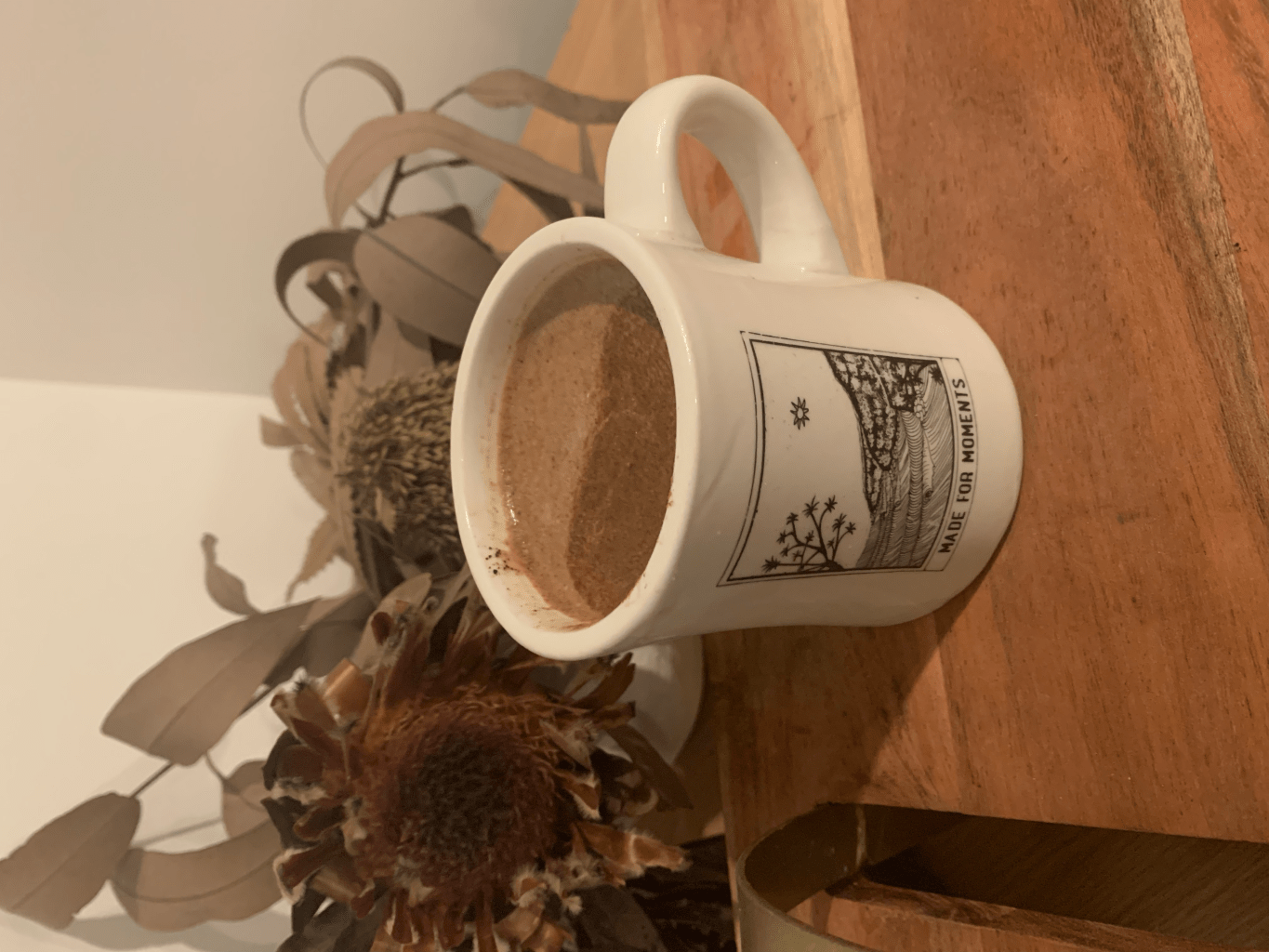
A performance enhancer, brain booster and hormone balancer. This is the hot chocolate you need when you are missing coffee but not the cortisol spikes. When you need to sharpen your mind and get in the zone with love and respect to your entire system, these 7 ingredients will deliver. It is also…. so tasty! And thank goodness because giving up coffee is hard! I see you, I feel you.
I like to sprinkle a little extra cinnamon on top, just be aware when you lean in for that first, delicious, warming sip, if you sniff the chocolatey aroma with too much enthusiasm, the cinnamon nose burn is real.
Ingredients
50ml milk of your choice (I used soy)
1 tsp cacao powder
1 tsp honey (I used a super dark one for the extra medicinal and immune boosting properties)
1/2 tsp lions mane
1/2 tsp l-tyrosine (optional and with consideration to your unique needs*)
pinch of cinnamon
pinch of nutmeg
Method:
Get a kettle of fresh water boiling and whilst this is happening mix the above (without the milk) in good sized (300ml-ish) mug.
It should have formed a paste by the time you add a little bit of hot water in, this is just to help you mix it better. Once it resembles something silky smooth, add your milk and top with hot water till your cup is full (literally and figuratively.)
It is a fabulous amino acid, the precursor to L-dopa which then become dopamine. Beneficial in those suffering from depression or working with ADHD. The amino acid may serve to boost levels of dopamine in your brain such that you feel heightened levels of motivation, focus and drive. Often used by those in the general population prior to engaging in deep work, it can boost productivity and the quality of your work output.
A bit like caffeine, your body can adapt to l-tyrosine so trying one week on, one week off may serve you better.
What is critical to understand is dosage, timing and whether your brain chemistry will thrive on additional amounts of this amino acid. Know thyself and consult your physician should you have any concerns before changing or adding anything to your diet.
Further reading and resources
Bloemendaal, M., Froböse, M. I., Wegman, J., Zandbelt, B. B., van de Rest, O., Cools, R., & Aarts, E. (2018). Neuro-cognitive effects of acute tyrosine administration on reactive and proactive response inhibition in healthy older adults. eNeuro, 5(2), ENEURO.0035-17.2018-. https://doi.org/10.1523/ENEURO.0035-17.2018
The role of protein and amino acids in sustaining and enhancing performance. (1999). National Academy Press.





















 SaeYond Health