These are such a joy to devour and I had loads of fun crafting this recipe for a super special client. I was excited to celebrate her birthday as well as the incredible health achievements she has made so far. Here’s to you Maria! And all the exciting things coming your way!
BaseIngredients:
2 peeled, boiled and mashed sweet potatoes
1 cup cacao
100g chopped pieces of chocolate (I used a vegan one from Pico)
1/4 cup olive oil
1/4 cup maple syrup
1 egg
1tbsp almond butter
1 tsp vanilla essence
1tsp cinnamon powder
pinch of sea salt
Toppings:
sliced strawberried
crumbled goats cheese
walnuts
dried fig
Once your sweet potatoes are peeled and chopped into smallish pieces, get them boiling on a medium to high heat with a pinch of salt until they are soft (easily mashed). Put your oven on to pre-heat at 180 degree celsius
2. Once the sweet potato has softened, drain of water and begin to mash until smooth. Add all wet ingredients; the almond butter, olive oil, maple syrup, vanilla essence and the egg (whisked in a cup prior to being added.)
3. Dose in cinnamon and cocoa and blend until smooth, rich and irresistible. It should resemble a decadent and dark paste. Now is the time to add the chocolate bits!
4. If your sweet potato has not cooled yet the chocolate will do a gorgeous melting act and you’ll be hard pressed not to eat the batter as you spoon into the silicon cups.
5. Once the surviving batter is distributed into the cups, garnish with a dried fig, walnut or other various tasty elements from the Grecian islands. (Maria is proudly Greek, hence the olive oil too!) I happily happened to have some goats cheese knocking about my fridge for an extra creamy garnish but these brownies are so gooey they didn’t really need it.
5. Once they are laid in a tray, pop them in your pre-heated oven on 180 degrees Celsius for 12-15 minutes. They will come out a little gooey and undercooked, you are welcome to bake them a bit longer as you desire. Share and enjoy once cooled.
Maria, you are such a legend! Keep going on your incredible journey and looking to your bright future. Sincerely, yours in wild enthusiasm for health.
No one likes feeling out of control with their food choices or out of touch with what their body really needs. Having a good idea of your energy needs and the ability to self-regulate your own appetite is an incredibly helpful tool for achieving a healthy weight and body composition.
We’ve all heard the calories in, calories out formula. If you want to lose weight, consume less calories than you burn. Counting and tracking however can be time consuming, some of us find it stressful and often it is difficult to do in social situations. I’m here to free you from the worrying and equip you with tools to help you on your way to better appetite regulation and eating for your needs.
Get a foundational idea of higher calories foods and low calories foods and then stock up on a bounty as much nutritional, lower calorie foods as you want!
As you want! Get creative, find recipes, roast, sizzle, bake and BBQ these delicious and low calorie foods to your heart’s content, aiming to make at least half your plate full of them. This will help you achieve satiety earlier in your meal by giving your stomach a feeling of fullness which can be communicated to your brain that you are having enough food.
Make high quality protein the star of your meal. This will help send feelings of satisfaction through your body sooner and help you to feel fuller longer.
Aim for a palm sized portion of:
salmon, eggs, tempeh, chicken, tofu or lean cut red meat.
Be smart about your carbohydrate choices, choose minimally processed and use you hand as a guide, what could you fit in one handful?
oats, rice, potato, pearl barley, freekah, chickpeas, beans, bananas and traditionally prepared and baked sourdough breads are great options using the portion control principal of your own hand.
Fats, aim to keep a serve of these as less than a thumb sized serving
seeds, nuts, nut butters and grass fed butter are easily portion control to the size of your thumb.
avocado and eggs are sources of high quality fats with two eggs or 1/4 of an avocado delivering the perfect portion for moderately active females. A moderately active male could aim for half an avocado or three eggs.
By using your hands as a portion guide and getting a basic understanding of what foods fit into this portion control method you can free yourself from the need to weigh and measure food to the gram or last calorie. This is a method to be practiced whilst giving yourself space for trial and error, tuning into your body and noticing how you respond. Some other handy methods of limiting calories without having to count them include:
fasting (see more on this below)
cutting out sugar
drinking a big glass of water before each meal
avoiding distractions whilst eating to better be able to listen to your body and what it needs (put your phone down 😉
If you would like a nutritionist on your team to help you gain back control over your food choices and body composition then reach out. I can help support your fasting, weight loss, muscle gain and appetite regulation journey.
Godefroy, V., Trinchera, L., Romo, L., & Rigal, N. (2016). Modelling the effect of temperament on BMI through appetite reactivity and self-regulation in eating: a Structural Equation Modelling approach in young adolescents. International Journal of Obesity, 40(4), 573–580. https://doi.org/10.1038/ijo.2016.6
Longo, V. D., & Panda, S. (2016). Fasting, Circadian Rhythms, and Time-Restricted Feeding in Healthy Lifespan. Cell Metabolism, 23(6), 1048–1059. https://doi.org/10.1016/j.cmet.2016.06.001
Veldhorst, M., Smeets, A., Soenen, S., Hochstenbach-Waelen, A., Hursel, R., Diepvens, K., Lejeune, M., Luscombe-Marsh, N., & Westerterp-Plantenga, M. (2008). Protein-induced satiety: Effects and mechanisms of different proteins. Physiology & Behavior, 94(2), 300–307. https://doi.org/10.1016/j.physbeh.2008.01.003
Warrilow, A., Mellor, D., McKune, A., & Pumpa, K. (2019). Dietary fat, fibre, satiation, and satiety-a systematic review of acute studies. European Journal of Clinical Nutrition, 73(3), 333–344. https://doi.org/10.1038/s41430-018-0295-7
Options abound for treating the symptoms rather than treating the system. We see this in everything from pain killer medication to diet shakes to sleeping pills. We want to fix what ever is causing our pain and we want to do so quickly. Humans are problem solvers and we like concrete, quantifiable ways to measure progress and success. We like the idea of hard parameters like cutting carbs entirely, only eating in a certain window, calorie counting or cutting out an entire food group. These things can often work to improve certain health metrics but it does not get at the core of what got us to overeating in the first place.
We eat for a multitude of reasons. Our meal choice is a chance to nourish and provide our bodies with fuel to complete tasks and reach goals. It’s social and healthy to share meals with our families at the end of the day or with a colleague at lunch time. It’s fun and interesting to try new foods and extremely pleasurable to taste delicious foods. Food is also soothing, it can feel relaxing to eat something when we are stressed. It can feel comforting to get something from the pantry when we feel sad or disappointed. Often we eat just because we think we should, we walk into the kitchen around lunchtime and our instincts take over. Whilst food has the potential to play these roles it does not mean that it should. Learning how to overcome these habits or how to move past using food as a crutch is hard. Your degree, apprenticeship or first work experience also seemed hard but you invested time and effort and the results were worth it.
Why do we eat for reasons other than real hunger? Evolution made sure that we would experience eating as pleasurable as it is so essential to our survival. Hormones such as serotonin are released in response which make us feel sleepy and relaxed, a trade anyone would like to make when feeling stressed or rejected. Foods like sugar have the affect of rewarding our system with dopamine to make us want to go out and seek more of those foods. Thus, when we are in these heightened states of stress or emotional turmoil, we can be swayed to reach for food to calm and comfort ourselves.
How can you overcome this tendency to “eat your feelings” or to eat out of habit? Learning to recognise your emotions accurately, practicing awareness and developing a tool kit to work with them is extremely helpful to overcoming this susceptibility. Learning to tell whether you are hungry or not is part of a broader skill repertoire of knowing what you are feeling. Having a well developed emotional vocabulary is a worthy investment of your time to avoid all sorts of harmful choices. For example, you are considering accepting a job offer and you feel happy. Get specific. Are you inspired because this is your dream job and you can’t wait to put your skills to use? Or are you flattered that they want you to work for them even though its a mediocre role at a stagnating company? Being able to distinguish past being happy or sad is a fantastic place to start and clearly helpful in other areas of your life. Are you yelling at your partner because they really are a useless jerk who can never be bothered to do chores in a conspiracy against you or are you tired and suffering from a bit of recency bias because you took the bin out the last two times? Stepping back and asking yourself such questions can avert or sorts of escalations and disasters, as you will see yourself when you get the chance to reap the fruit of this mindfulness. How can you develop this skill? First by not doing anything to hamper this development. It is extremely common to have had parents that did not validate your feelings or invest in teaching you to name your emotions. This is something you can learn in adulthood but recognising your foundation is also an important first step. If you go through a hard times or are being overwhelmed then acknowledge that. Don’t stuff down the sensations and tell yourself you will be fine. If you really are at breaking point and ignore the signs you are at risk of burnout, depression and developing anxiety. If you feel lonely because you are not getting the social interaction you crave then honour that and call a friend or family member, join a community group or opt in for a volunteering experience. Validating yourself and making adjustments as need be to your workload or support network is so valuable for equipping your system to not just avoid stress but to reframe and problem solve, a skill that transcends to appetite regulation. When we ignore internal cues we also teach ourselves to ignore cues that we have had enough food, that any more of the rich, creamy pasta will make us feel uncomfortable and too full. When we use social media or alcohol to distract ourselves from what we are feeling we are robbing ourselves of the opportunity to connect and explore how we are responding to the world around us. We are also reinforcing a pattern of distracting ourselves that works agains the ability to self-regulate. Below is list of tools that can help you in the moment as well as habits to be practiced to fortify your self regulation.
In the moment Try to ask yourself what you are really feeling. Are you eating because you are hungry or are you eating because you are sad or stressed about work? If the source is emotional then try working with that first. Tell yourself you can have something better later when you really are hungry and then devote five minutes to your stress relief. – Rate your hunger on a scale of 1-10 before you prepare or buy whatever it is you would eat. Check in with yourself to work out how hungry you actually are, if you are only a 2 or 3 out of ten you probably aren’t hungry enough for a full meal and waiting till you feel a 7 or 8 out of 10 will help you enjoy the meal more, feeling as though you are satisfying a real need rather than eating for another reason. – Go for a walk outside, just five minutes in the fresh air and natural light. We are cued by our environment and sometimes just getting ourselves away from the physical environment that we had the craving in is enough. – Write down what you are feeling but try not to ruminate, think of other problems you have solved in the past and give yourself a kind word or two about your own abilities and talents to solve the current one. – Practice gratitude and awareness of what is going well in your life right now, even if that is just having a roof over your head or getting to watch the sunset on the weekends.
Helpful habits – Name your emotions, with specificity. Write a journal and details what you are feeling and what things trigger you. Not being invited to something made you feel… and then noting down if it led to any other action like ordering too much uber eats because you were lonely. Having lunch with your parents made you feel… Perhaps blissful and engaged, you felt stimulated by their conversation, encouraged by their kind words and relaxed in their company. Maybe you experienced a mix of emotions. Perhaps you noticed them leaning a little on the table to get up and looking quite frail and this made you feel… not just sad but, aware of your own mortality, anxious about their health, pensive about their future. – Gaining new perspectives often and in many contexts. When we mindfully put ourselves in a new situation we are stimulating our system into learning how to navigate something novel. Tuning into the process and detailing in your mind what you feel and how you are responding expands us and gives us the opportunity to learn new categories of feelings. – Movement An incredibly powerful method of self-regulation is movement. Be it yoga or something more vigourous. Using your breath in rhythm to your movements in yoga or resistance training is so powerful for connecting to your body. Thinking about what muscles you are using and the physical strength you are recruiting is empowering and a great way to train self-control. Pushing yourself safely past an old limit is not only motivating but a way to master yourself and unleash potential. – Sleep. It is much harder to employ self control when you are tired and often we eat just because we feel fatigued rather than hungry. We do this not just in a misguided attempt to feel more energised but also because when we sleep less we produce more of the hormone that cues hunger signals, ghrelin. We also produce more cortisol (stress hormone) which makes our body crave food to relieve the stress. Stack the odds in your favour by prioritising sleep.
I have scratched the surface here on emotional regulation as it relates to appetite. If you would like someone on your team to help you through the journey of improving your nutrition, movement and appetite regulation then reach out to an experiences nutritionist and personal trainer.
Whisk two eggs in a small mixing bowl, add a banana and mash and combine well. Add the blueberries and give Ita good stir through.
Spoon in dry ingredients (tapioca, collagen, sea salt) and mix until all is well combined and something representing just wetter than a paste is in your mixing bowl.
Turn your stove to medium-low heat and allow a non-stick, non-toxic (avoid teflon) pan to heat up a minute or so. Pour in batter and allow to cook 2-3 minuets one side, 1-2 minutes the other side.
Flip onto a bowl and get creative with toppings.
Macros:
The above makes 1 serve, the macros described are per serve:
Each: 347cal 11gP 6gF 11gC
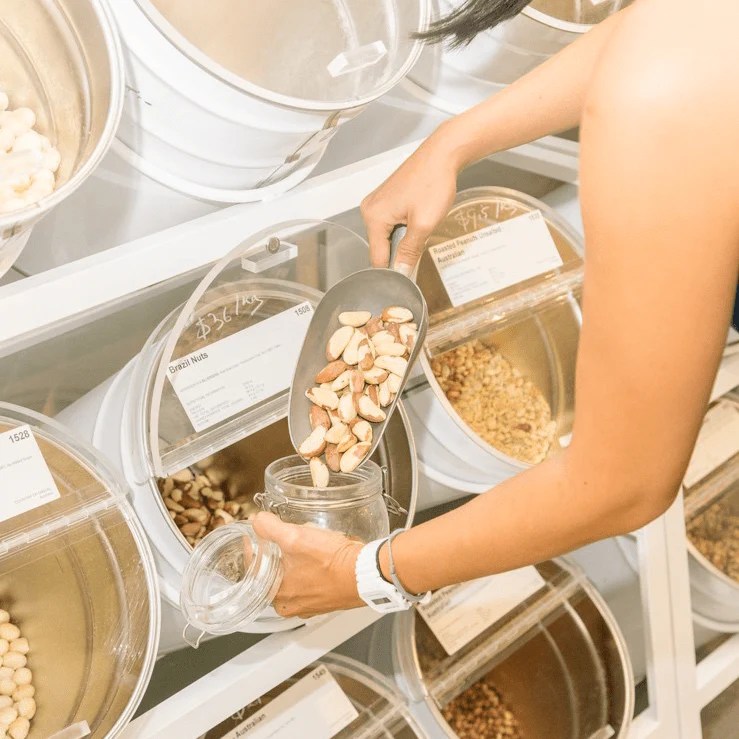
Many of the above ingredients were sourced from the lovely, local Gram Sustainable! A gorgeous gathering of goodies where you can stock up, package free on all sorts. Find them in Elwood or Fitzroy, and do your bit for an unpackaged planet.
We often think about cardio and heart health, training lower body or training upper body. We are starting to think about the need to train our balance and stability systems. Why? Real life examples of a failure of the stability system include: non-contact ACL injuries, inability to carry an awkward load or simply, a fall. An inability to take force or load through your muscles will result in that force being transferred into joints and from there, pain or dysfunction. Balance should be trained as an authentic movement, something can feed into and enhance your existing patterns. By that I mean, struggling to get into your pants one leg a time when you get changed? You don’t have to. Training can help you move better in all sorts of day-to-day situations.
It is a fluidity reaction, the ability to displace centre of mass within basis of support, regardless of basis of support. In other words, if you get knocked off a curb at a busy cafe, being able to catch yourself from a fall. If you get shoved accidentally or trip on a rogue toy it is so empowering to feel your stabilisers switch on and reaction system catch you from falling and hurting yourself. To be able to transform easily from one position to the next is a worthwhile pursuit.
Can I still train for strength whilst developing my balance foundation?
Your foundation is worth investing time into. How would you feel living in a house where the builder’s rushed and missed laying the foundation to save themselves a few months on project delivery? Would you be impressed with the car manufacture who skimped on safety features, opting for a more powerful motor? In saying that, doing “closed chain exercises” such as leg presses and other exercises on machines are a great way to protect your joints and move through a safer range of motion whilst building up strength and muscle mass. If you are starting out then maybe this looks like: 50% of your time is focused on building the foundation and 50% on strength, shifting this to 40/60 or 30/70 as you go. High quality personal training can help you with deciding how to prioritise your precious time.
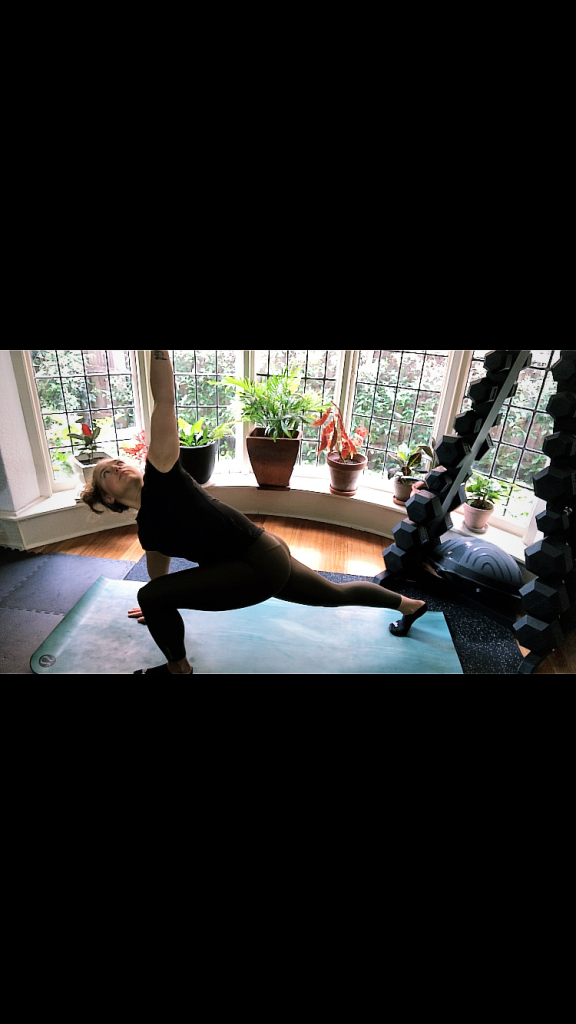
Accessible Exercises Simply putting yourself through exercise where balance is required is a great start. See a chair? Attempting, or just trying to get close to sitting up or down on one leg (with due care and safety measures taken). The balance system and your stability though is worthy of strategy and effort, of being integrated into a well designed program. Yoga offers fantastic balance training but does not necessarily strengthen your stabilisers. A strength program with well integrated balance specific, stabiliser strengthening, eccentric, controlled loading and functional exercise is the ideal.
Training a strong core to act as a shock absorber and support your body through shifts in direction and movements is the tip of the iceberg, it is not the only stabiliser you want to train. If this sounds overwhelming, take heart. Reading this is a great start, starting small or taking any steps from here is better than nothing.
The below is five to seven minutes worth of training you could do anywhere to improve your balance and aid your longevity. There are many more I would have loved to have included such as farmer’s carry step ups, sled pulls, inch worms and more but these offer a solid start. The exercises are ordered from easiest to hardest.
Start with one set of each, start small, and remember: consistency over perfection.
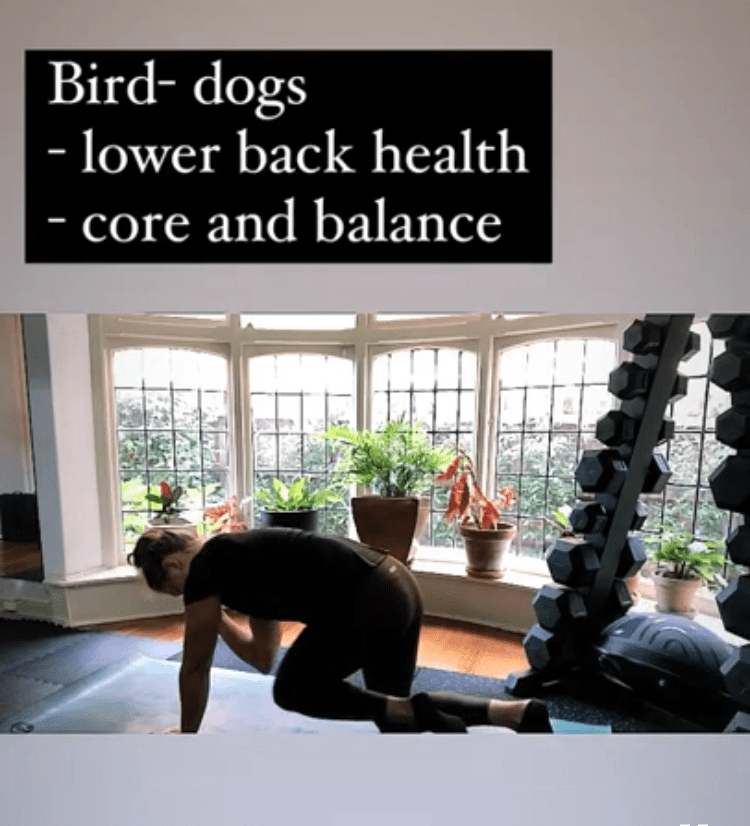
Bird-dogs 1-3 sets 6-10 reps/side Ensure good support for your knees and shoulder is stacked over wrist. From the quadruped position, reach alternate arm and leg long.
Then pull them in, attempting to connect elbow to knee and bracing core as you do so.
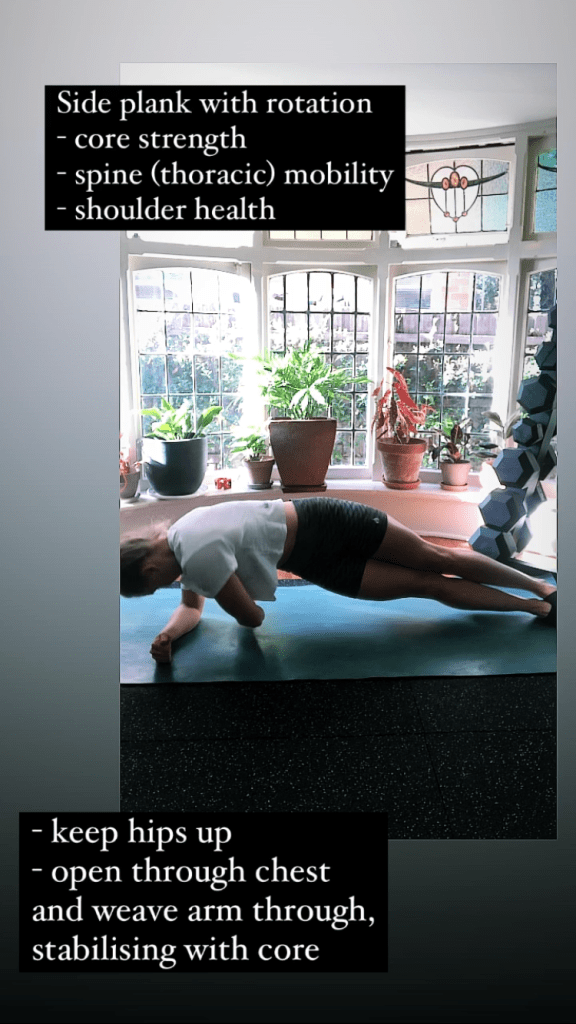
Side plank with reach 1-3 sets, 4-8 reps
Brace your shoulder muscle to protect it. If you need an easier version, try dropping to your hips and maintaining strength and alignment through the upper portion of your body.
If you feel confident, attempt to reach through, bracing core and keeping hips forward.
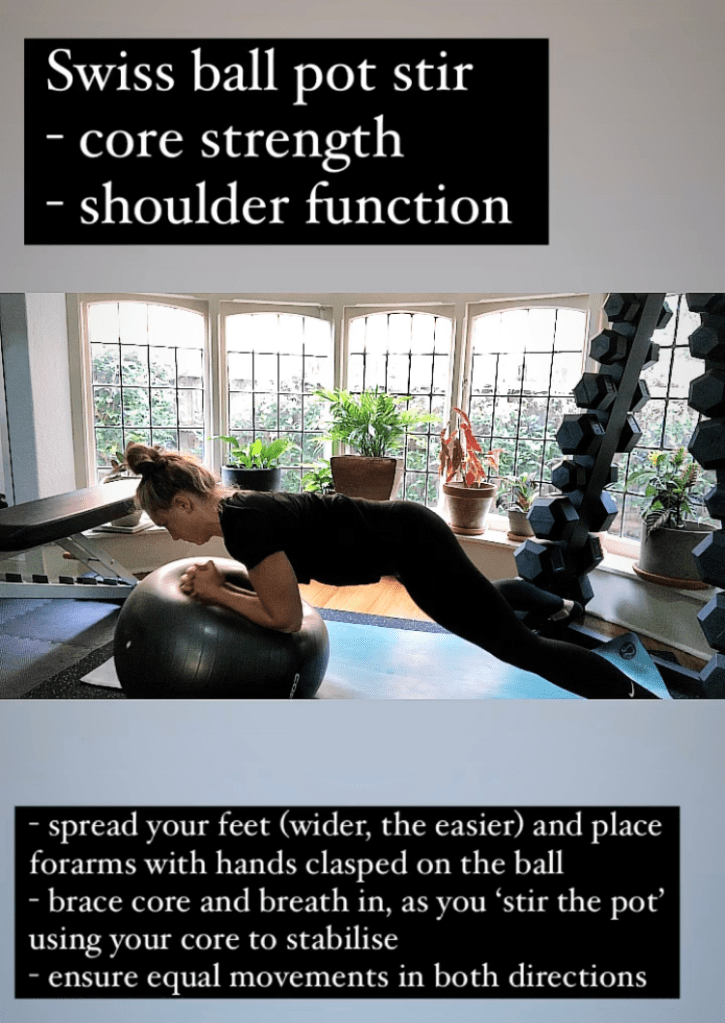
Swiss ball pot stir Have fun with this one! Trying writing your name out with your fists as you move the ball around and stabilise. Or try to ‘stir’ the ball a few times in each direction 1-3 sets. keep bracing your back muscles to stabilise your shoulders.
If you would like to enjoy the benefits of a strong and stable system then reach out for a custom designed program from a passionate coach.
You can turn up the feist as you wish by playing around with different cayenne pepper ratios, some will be more about the garlic, some will enjoy adding a bit more smoked paprika.
Simply pop into your local Gram, bulk foods store and personalise as you like from the below foundation of flavour.
1&1/2 tbsp onion powder
1&1/2 tbsp smoked paprika
1 tbsp garlic flakes
1 tbsp dried oregano
1tbsp ground coriander seed
1tbsp ground cumin
1/2 tbsp salt
1tsp cayenne pepper
Simply fold together and store in a sanitised, air tight jar.
Note that using natural ingredients without fillers or anti-caking agents may make it clump together after a couple of weeks. This isn’t a big deal, break apart with a spoon or shake it up.
The above ingredients were sourced from the lovely, local Gram Sustainable! A gorgeous gathering of goodies where you can stock up, package free on all sorts. Find them in Elwood or Fitzroy, and do your bit for a unpackaged planet.
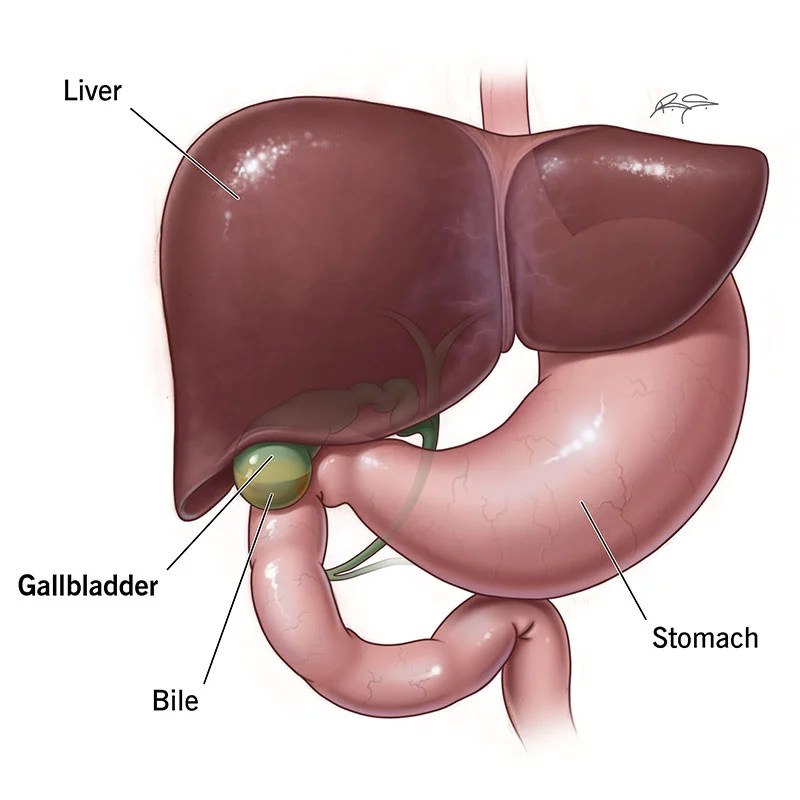
The gallbladder is a super nifty organ, endowed to us meat eating, fat using mammals by evolution. It is not the ‘unnecessary’ organ it is deemed to be by those who would remove it when it becomes blocked with gallstones before trying anything else. The gallbladder stores biles that is produced by our liver to be excreted when we need to digest fats. This is an important function. As anyone would know who ever feels sluggish after too big of a meal or having eaten the wrong things. When your digestion is not working optimally you can experience, cramps, bloating, gas, or other similar symptoms. You want your digestive system working at its best and most optimal capacity to properly break down food.
Proper digestion also means you are extracting all the nutrients you need from food. Nutrients that are the building blocks of our cells and support all of our functions.
Hmmmm…. too late, its gone.
That’s okay! You can still absolutely thrive, it just takes a bit of investing, planning and being mindful. Some important things to note are:
Your digestive system will never again work at optimal capacity. So be kind and go easy on it.
Big meals, fatty meals and fibrous foods will be tougher to digest.
Fat soluble nutrients such as omega 3’s , vitamins A, D, K & E will no longer be absorbed so easily and these are critical to health, longevity and having energy.
Avoid the worst of it by:
Eat small meals (300-400 calories).
Avoid eating more than 10g fat per meal (1 tbsp peanut butter, or 1/2 avocado contain about 10g).
Eat slowly, without distractions.
Track the things that seem to upset your stomach, reflect and adjust your diet accordingly.
So what should you do?
Take a supplement to get your omega 3s, vitamin D. A, K & E should be stored in sufficient quantities but check if it becomes a concern.
Take a supplements to help you digest foods such as ox bile or digestive enzymes that contain lipase.
Eat bitter and sour foods to aid digestion such as lemons, herbs, rocket.
But why did I get gallstones in the first place?
Your liver may not be working very well and if so, it needs support and cleansing. You can do this by taking a good quality liver (sometimes called hepatic) detox supplement.
Genetics, prescription medicine and other factors can play a strong role in the formation of the cholesterol pigments that form into gallbladder stones. Regardless of cause, it is still a sign somethings is going wrong upstream and showing your body compassion and understanding by supporting the system over treating the symptom will improve general health quality.
Keep in mind that you want to keep it to 10-15g per meal/ so having all the above together would not be ideal. Choosing one and paring with delicious carbs and protein is the way to go.
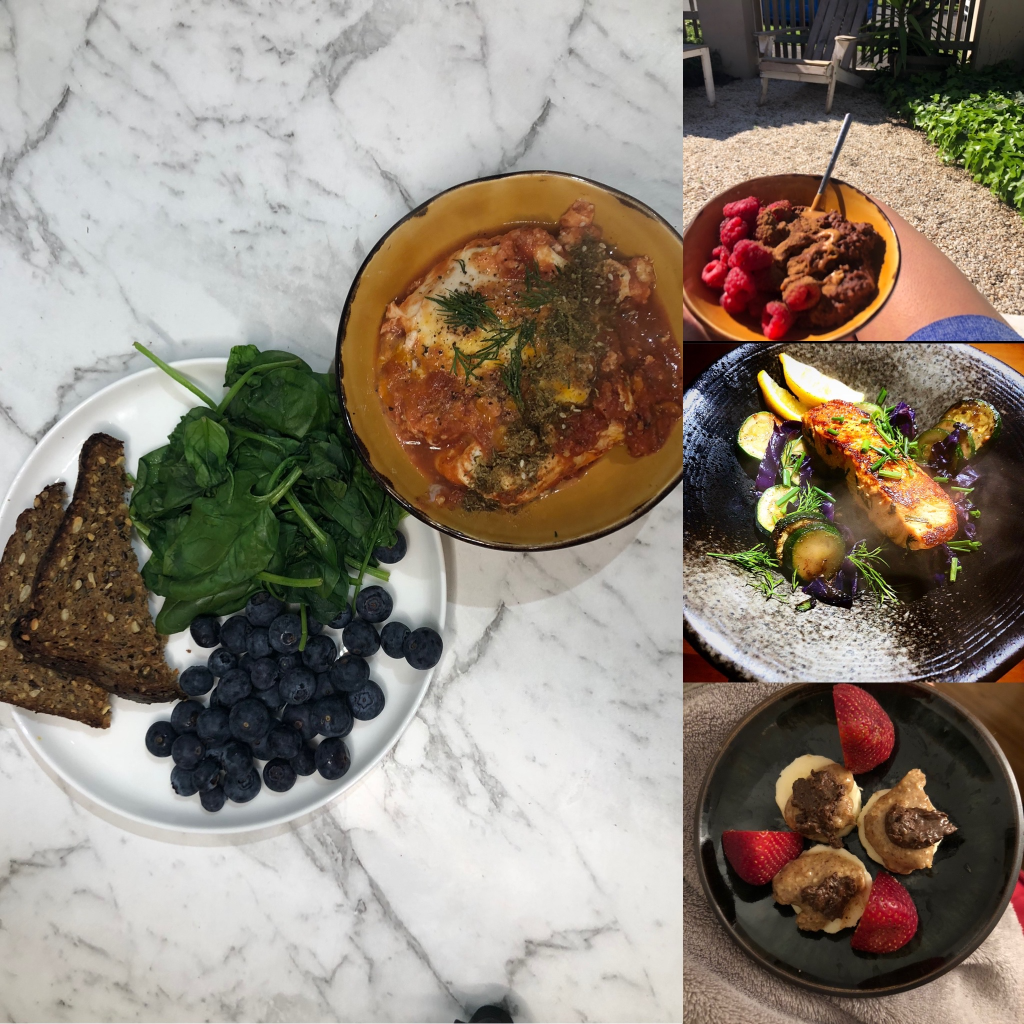
To the left demonstrates a balanced and nutritious day’s food intake that will leave you feeling energised and nourished whether you have a gallbladder or not.
If you would like an experienced nutritionist on your team to help you craft a diet that will see you thrive reach out! I would love to work with you.
Bosisio, E., & Galli, G. (1985). Liver, nutrition, and bile acids (E. (Enrica) Bosisio & G. Galli, Eds.; 1st ed. 1985.). Plenum Press. https://doi.org/10.1007/978-1-4615-9427-7
Wang, D. Q.-H., & Portincasa, P. (2017). Gallstones : recent advances in epidemiology, pathogenesis, diagnosis and management (D. Q.-H. Wang & P. Portincasa, Eds.). Nova Science Publishers, Incorporated.
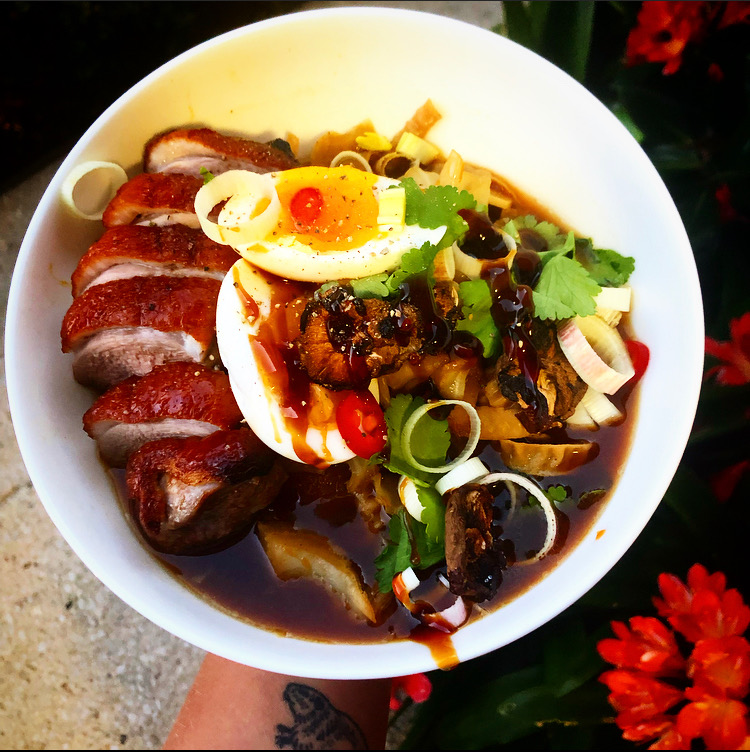
The bowl that has it all. This play on a much loved, Japanese delight went down such a warm and satisfying treat.
The noodles were chewy, the duck was tender, the eggs were gooey and there was a most satisfying sharpness and freshness from that cut garlic and coriander.
The bowl took 40 minutes and most of that was oven time whilst I pottered about doing other things, such a worthy time investment!
See the below details and enjoy!
Ingredients:
2x whole duck breasts
2 eggs
2 serves chickpea pasta
1/4 cabbage
800g pumpkin
handful shiitake mushrooms
1 tbsp chicken bone broth
2 tbsp oyster sauce (+plus another tbsp for marinading)
2tbsp soy sauce (+plus another tbsp for marinading)
1 tbsp Togarashi (Japanese spice mix)
1 thumb ginger
2tsp olive oil
garlic shoot
coriander leaves
red chilli
salt and pepper
Method:
This was not a traditional cook up. This was an end of week, bang it out so I have more time to enjoy eating it with loved ones kind of deal. I did however, marinade the duck breast in soy sauce and oyster sauce 24hr prior.
I sliced the pumpkin thinly and cabbage roughly to be sprinkled with the togarashi, salt and pepper about with 1tsp olive oil over a tray and placed into he oven at 200 degrees Celsius for 15 minutes. Whilst that was happening I was stir frying ginger and mushrooms on a low heat, boiling the kettle.
In a small pot I brought the water from the kettle to more of a good proper boil and placed the eggs and chickpea pasta in to cook for 5 minutes. After this time scoop the eggs out and allow to cool.
Once the pumpkin and cabbage had had a good 15 minutes roasting replace them with your duck breasts, adding a little salt onto the skin and setting the timer for 18 minutes. Pop your roasted vegetables into the water with the chickpea pasta, mushrooms and ginger along with the 2 tbsp soy sauce, 2 tbsp oyster sauce, chicken broth and salt and pepper to taste.
While the pot bubbles on low and the duck breasts are roasting; slice garlic shoots, chilli and peal the shells off your eggs.
When your duck breasts are ready pull them out of the oven and rest 5 minutes while you ladle the ramen into bowls and slice your egg in half to go atop. Garnish with the chilli, coriander, garlic shoots and stir fry sauce for an extra kick of flavour. Slice duck breast and lay into the bowl.
Enjoy with much slurping, chewing and delighting.
Macros: The above makes 2 serves. The following macros are per serve:
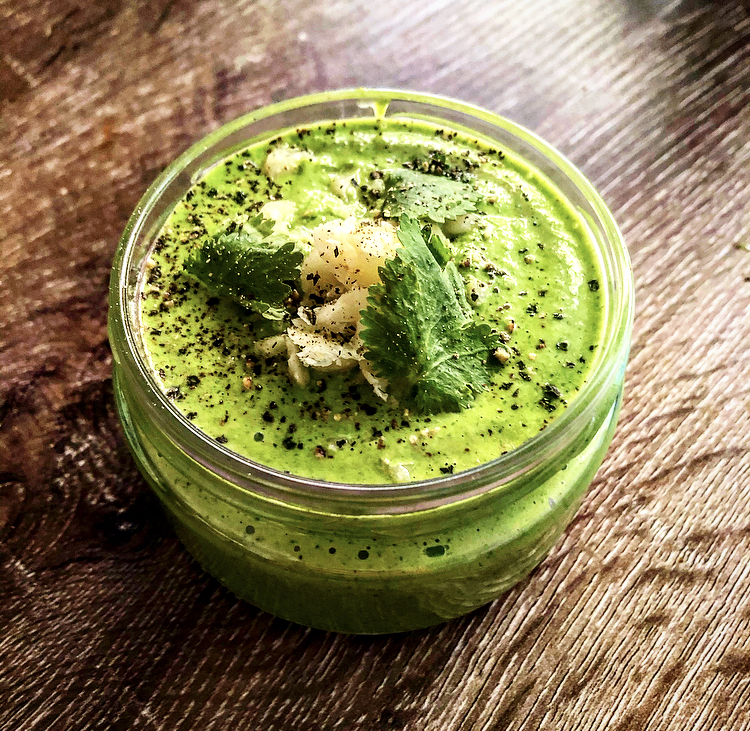
Take it to your next Mexican fiesta! Whether you are going for a massive bowl of beans, a steak, fish or eggs, just let it pour.
Let people know you love them. Pop a homemade jar in their birthday goodie bag or sling one to the neighbour who looked after your dog that weekend.
Ingredients:
3 jalapeños
4-6 garlic cloves
1/2cup macadamia nuts
Bunch of coriander leaves
1tsp olive oil
Juice of two limes
Salt and pepper to taste
Method:
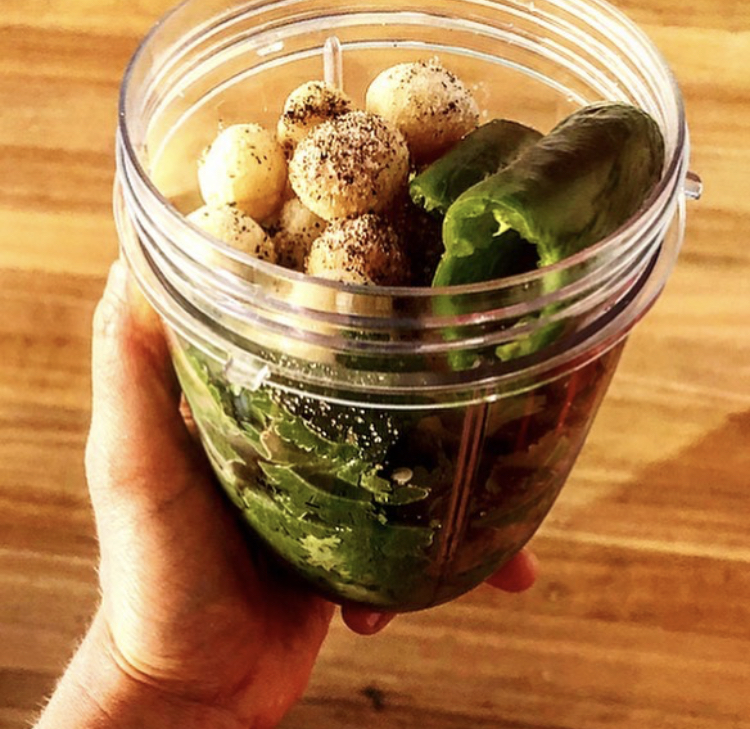
Deseed and stem the jalapeños, popping the green body of it in a small blender or magic bullet. Twist the leaves away from the stalk of the coriander and add in the blender. The leaves make a lovely garnish so leave a couple spare. Add all other ingredients and whiz it up to smoothness.
Garnish with those leaves, sliced macadamia and pepper.
Macros:
The above makes 6 serves, the macros described are per serve:
Each: 74cal 1gP 5gF 6gC
Optionals
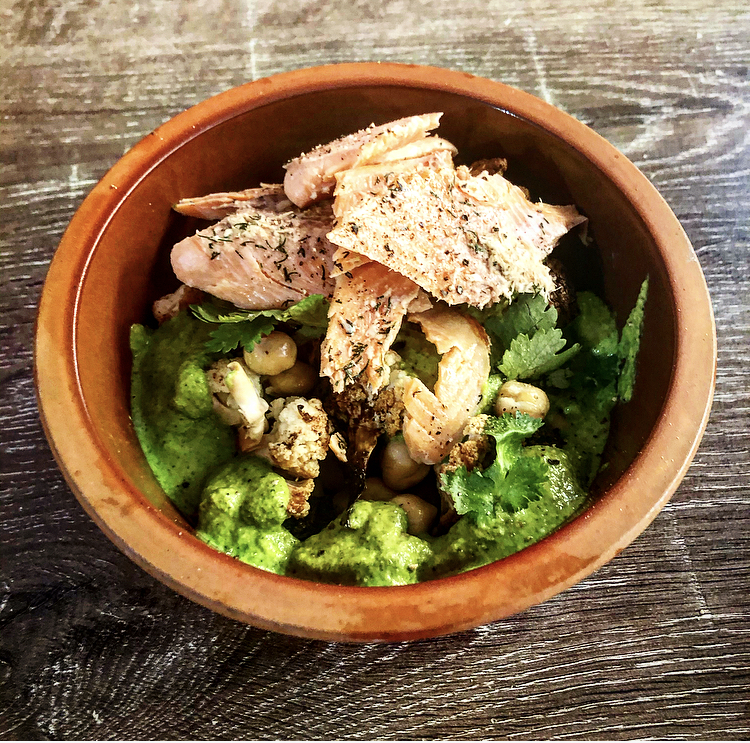
I liberated my jar on trout and chickpeas and the way it cuts through the richness of the fish and creaminess of the chickpeas sets you up for a satisfying mouth feel as well as taste.
For a feistier feel, leave the seeds in your jalapeños and let them work their magic.
Prepared in one pot, in less than 25 minutes. This is the bowl of your time poor dreams after a mad slog at the office and gym.
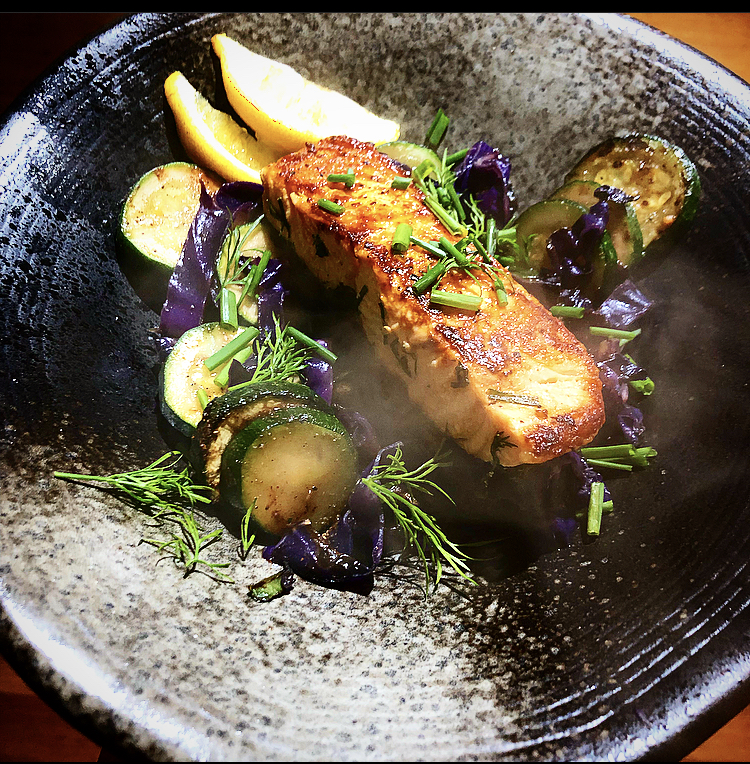
The herbs and citrus are not main players but they are valuable ones. Their song is a pure, fresh touch to the sticky richness of the sauce coated salmon.
What ever herbs you have left over will love getting involved in tomorrows omelette.
When buying your salmon, choose the brightest, most deeply coloured looking flesh you can and avoid anything that smells even slightly off, freshest and pinkest is best. If you can support your local fish monger, do. If you have time of a weekend morning to support your local farmers market, pick yourself up a coffee while you’re there and do.
Ingredients:
2x 125g pieces of skinless salmon
2tbsp oyster sauce
1/4 small red cabbage
2x zucchini’s
a lemon
sprig of dill
Chive stalks
Method:
Slice zucchini into thin discs and salt. While zucchini is sweating, shred your cabbage and heat a large non stick (avoid teflon) pot* to a medium to low setting.
Season Salmon and place in the pot, lid on for 5 minutes. Once 5 minutes has passed, add cabbage and zucchini, return the lid and allow to cook a further 5 minutes. In the meantime, chop chives and dill into sprinkl-able bits and your lemon into squeezable wedges.
At that 10 minute-ish mark, flip the salmon and coat with oyster sauce, stirring more oyster sauce into the vegetables. Allow to crisp up without the lid another 5 minutes, adding some chives.
Soon the kitchen will be adrift with smells of the east and the richness of your salmon. Tong out your veg into a bowl and place the salmon atop, garnish with more of your herbs and the lemon wedges.
Notes* My pot was large enough such that the salmon could cook on the one side whilst its juices intermingled with the veg cooking merrily off to the other side.
Macros: The above makes 2 serves. The following macros are per serve:










 SaeYond Health