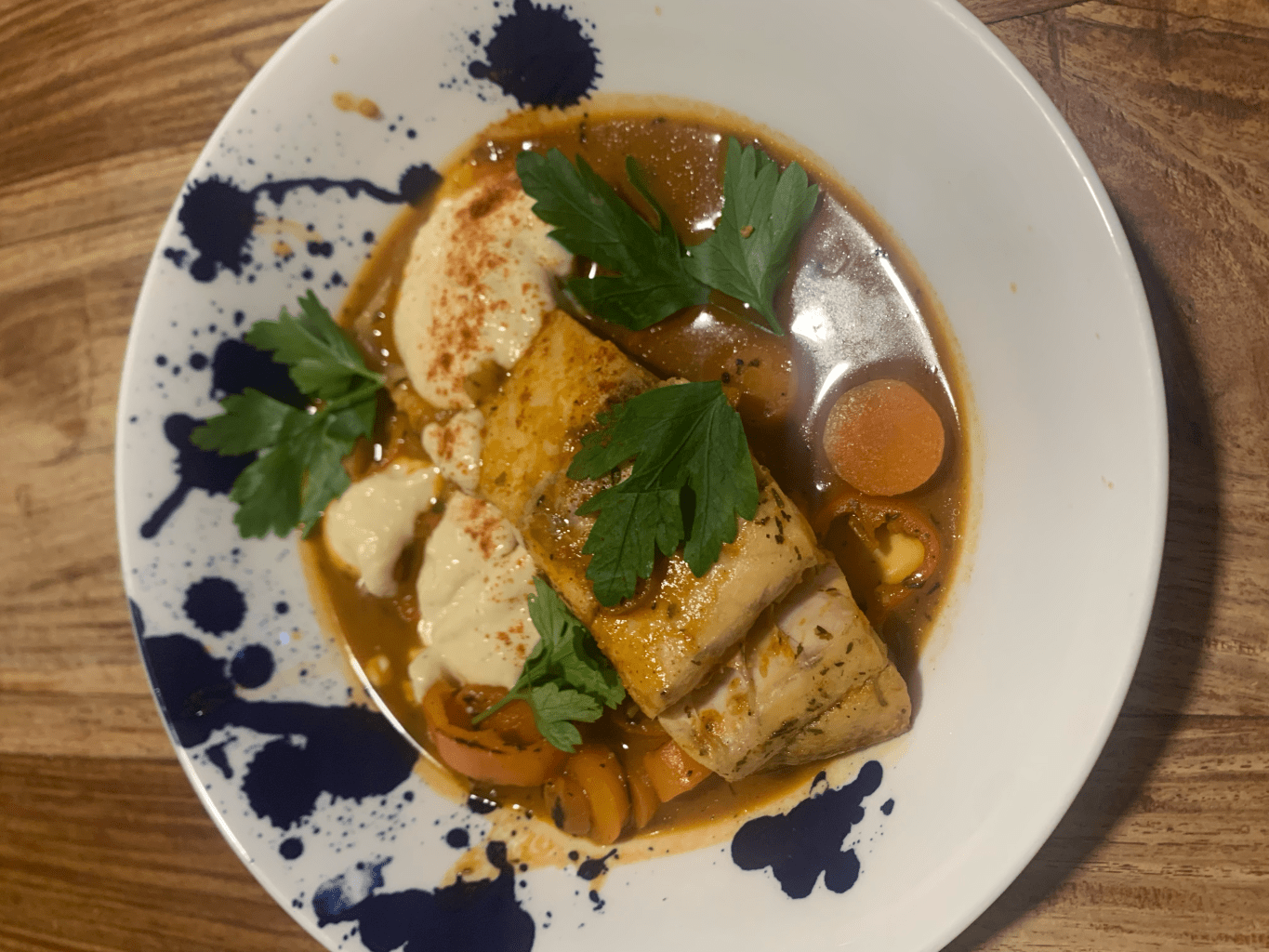
Just in case you were dreaming of something spicy, warming and melt-in-your-mouth as the leaves turn golden.
Don’t let the sprinkles of paprika and parsley fool you, this was so easy to whip up and took less than 20 minutes.
We found the hummus was enough of a carb hit but the dish does go well with Turkish bread (of course) or mashed potatoes, basically anything to soak. up. that. saaaaaaaauce.
Ingredients (for 2):
2 fillets of barramundi (or other white fish about 150g/each)
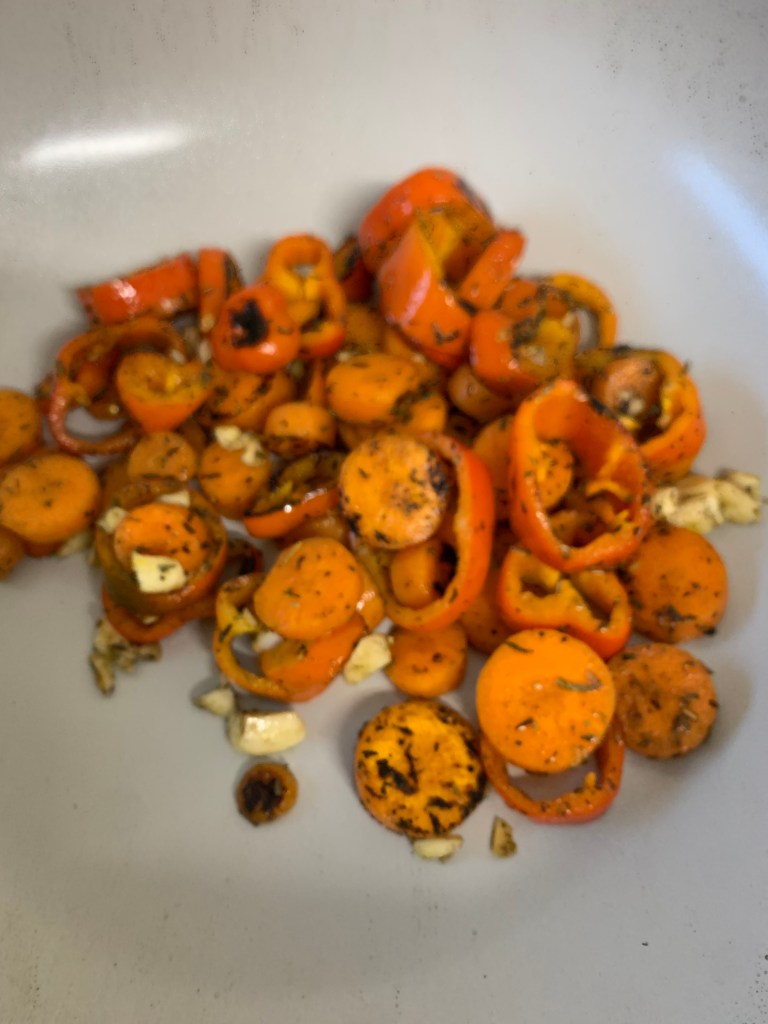
Cut vegetables into coin sized pieces (no need to be perfect here) and the garlic. Place in a deep, larger sized pan (wok style is idea). Sauté in the tiniest dash of olive oil (enough to coat the pan) and the thyme on low heat.
After 6 minutes, the vegetables would have softened and you can throw in 1 cup fresh boiled water and every other ingredient except for the fish fillets. Get this mixed together and bubbling on medium-high heat.
Once bubbling away merrily, add the fish fillets and place a lid atop. These will be cooked through in 6-8 minutes to watch them and intervene when necessary. They don’t really need to be turned if covered in enough of the brothy mixture.
Once cooked to your liking, spoon the sauce into bowls along with equal portions of fish and vegetables. If using hummus, dollop onto bowl as well and enjoy!
Macro:
275kcal (this assumes no hummus or carb addition) 34gP 7gF 19gC
A note: 275kcal is not a reasonable sized meal for most people or enough calories for dinner, however! It leaves room for dessert and so a great, high protein, option for when you are craving a dessert but still want to meet your goals with a healthy dinner!
Another note: Some simple swops made this dinner even healthier! We eliminated some toxins by using a green pan (non-toxic cookware) and we used bamboo cutting boards rather than plastic to save microplastics ending up in our bodies or in the ocean. Little things can make a huge difference over time so be empowered to educate yourself and make the best choices you can for the planet and yourself!
Cortisol, which you may think of as adrenalin, is a super tricky character.
It is the hormone that mobilises fuel in your body and sharpens you mentally. On one hand, it will get you up a mountain, help you swim for life, get you through your gym workout and help you to be clear and focused at work or during an exam. It is also a key player in digestion, your immune system (fighting off infections), your sex drive and emotional regulation.
On the other hand… it can also play a role in the depression of your other hormones, it can cause chronic inflammation, sugar cravings and cause anxiety. If cortisol levels stay disregulated for too long they will lead to weight gain (or loss, most often gain), disease and declining mental health.
So, you can see why this is a hormone that you want on your side, working for you, not against you. Welcome to the 13th (and final)episode in the harmonising hormones series. This article will give you the tools to understand the symptoms of disregulated cortisol levels and equip you with nutrition, mindset and lifestyle advice to help you get this hormone back in harmony, singing a more comfortable tune of health and vitality.
More on the biology of this hormone (skip if less interested in the science and more interested in the tools).
Cortisol is part of the glucocorticoid family meaning it is involved in raising your glucose. This is in fact the major role of cortisol, to mobilise fuel sources in your body by raising blood sugar, increasing blood pressure and managing inflammation levels.
Your body does release cortisol naturally in a diurnal rhythm, most of it in the earlier part of the day and tapering off towards the end. One of the most primal and basic level systems in our body is the ability to respond to a stressor (be it work demands, a workout or running from a disgruntled animal) by releasing more cortisol to cope with the demands of more fuel to deal with the task at hand. This is what you want.
We perceive stress through various parts of our brain including the amygdala, hypothalamus and hippocampus. You have a hypothalamic-pituitary- adrenal axis (HPA-axis) that regulates this response. In an ideal scenario, the stressor will appear, your hypothalamus will communicate to the pituitary to then pass the message along to your adrenals to send a signal out to the cells which interact with cortisol. Fuel will be mobilised from either your muscle or liver glycogen (first) and then your stored fat (second). Your mind will also sharpen, becoming more alert to the current demands you are under and you will work your way through the stressor, coming back to a comfortable baseline. The cortisol release is meant to signal to the HPA that the situation is under control and no more cortisol need to sent out. Often, the stress does not dissipate.
Imagine this, an alarm goes off (ouch, cortisol spike), you race towards that High Intensity Training class at a gym (more cortisol), rush home, down some cortisol inducing coffee, cram your way into some traffic (cortisol has no chance to let up) and then your job places higher demands on your need for cortisol as you perceive more stress and pressure. This chronic, consistent drop of cortisol will mean elevated blood pressure, heightened anxiety as well as a depressed immune system and depressed levels of other hormones*. Over time you can see how these changes will lead to heart disease, inflammation, infection and poor mental health. This overactivity can also lead to under activity if balance is not achieved as the system becomes taxed, leading to symptoms of both low and high cortisol in a horrific sea-saw. The wired but tired feeling sets in, motivation lapses, sex drive decreases and sleep suffers. Fertility is also seriously harmed by chronic elevation of this hormone.
To top it all off, excess cortisol will age you faster, shortening your telomeres, messing your blood glucose levels and damaging neurons in your brain.
Symptoms of high cortisol: five or more of any of the below from either bucket signal dysregulated cortisol in which case you should seek further testing and support to bring these levels back in balance.
High stress
wired yet tired
unable to wind down befroe bed
difficulty falling or staying asleep
anxiety or nervousness
quick to anger
memory lapse or feeling distracted
sugar cravings
increased abdominal fat
eczema or thin skin
bone loss
high blood sugar
indigestion or GERD
ulcers
difficulty recovering
unexplained pink or purple stretch marks on belly or back
irregular mentral cycles
decreased fertility
Symptoms of low cortisol:
fatigue or burn out
loss of stamina (afternoon crash)
negative affect
easy to cry or melt
decreased problem solving ability
feeling highly stressed or experincing low stress tolerance
insomnia or difficulty staying asleep
Low blood pressure
postural hyper tension (standing up and feeling dizzy)
difficulty fighting infection or coming back from colds, wounds healing
low or unstable blood sugar
salt cravings
nausea, vommiting or constipation
muscle weakness or joint pain
hemorrhoids or varicose veins
irregular or rapid heart beat, history of low thyroid
We can’t always control work, traffic or other commitments that can lead to stress. We can control how we respond though, our stress appraisal tactics. Consider this, there are two animals racing through the Savanah, both are releasing cortisol, both have their blood pressure up, both are panting, both are in a state of stress. However, one is the gazelle and one is the lion. Channeling a perception that you are the lion, you have some control and you are capable of the the challenge will do much to decrease your cortisol and help you come back to baseline sooner. Adopting a “I want this challenge” mindset is supremely helpful in circumstances were we are not able to say no or set boundaries. Setting boundaries and saying no, however are great antidotes to the modern lifestyle. This doesn’t just mean saying no to your boss or a work event. It can look like not taking on debt for the fancy car, not feeling like you have anything to prove by spending all your money of clothes and superfluous items. These things we think we need can often become a noose around our neck, sticking us in situations that lead to stress as we endeavour to pay them off.
Using nutritionand supplementation:
Your foundation should be complex grains like rice and oats, lean proteins and whole, fresh, fruits and vegetables.
Both vitamin c (750mg/day) and b vitamins (prioritise 500mg of b5 daily) are important to prioritise when dealing with high cortisol. Potassium (200-300mg/day), iron (14mg/day) and the amino acids tyrosine, lysine and arginine also support a system depleted by stress. So snacking on things like oranges, eggs and throwing a capsicum into your salad alongside some shredded chicken and parmeson cheese will help the cause.
anti-inflammatory omega 3s (aim for 2g/day) will also support your system as stress can lead to inflammation which is a cause of stress’s indirect affects like getting sick. Phosphatidylserine (300-400mg/day) will support your cognition and sleep in times of high stress.
Adaptogens are so called because they help your body ‘adapt’. The best evidence backed adaptogens for stress include maca, rhodiola, ashwaghanda and ginseng (If you have other hormonal imbalances, be careful when using adaptogens as they can have affects on your other hormones). These adaptogens can be mixed into smoothies or even the delicious chocolate balls you see to your left (recipe below!)
This was the final article in the Harmonising Hormones series. Yes, there are so many variables involved in balancing your hormones and it can feel like a lot to jump on. Let this knowledge and awareness empower, rather than overwhelm you and know that even taking small steps where you can will help you in achieving your best health.
Notes:
*your body will always prioritise cortisol over the other hormones because it is involved in survival. If your body perceive a threat to your life it will not be as concerned maintaining levels of oestrogen, progesterone or testosterone. These hormones will be deemed less necessary in your fight to make it through a stressor.
Further reading and resources:
Alfreeh, L., Abulmeaty, M. M. A., Abudawood, M., Aljaser, F., Shivappa, N., Hebert, J. R., Almuammar, M., Al-Sheikh, Y., & Aljuraiban, G. S. (2020). Association between the inflammatory potential of diet and stress among female college students. Nutrients, 12(8), 1–12. https://doi.org/10.3390/nu12082389
Barbadoro, P., Annino, I., Ponzio, E., Romanelli, R. M. L., D’Errico, M. M., Prospero, E., & Minelli, A. (2013). Fish oil supplementation reduces cortisol basal levels and perceived stress: A randomized, placebo-controlled trial in abstinent alcoholics. Molecular Nutrition & Food Research, 57(6), 1110–1114. https://doi.org/10.1002/mnfr.201200676
Bianchi, V., & Esposito, A. (2012). Cortisol physiology, regulation and health implications. Nova Science Publishers.
Haber, M., Czachor, A., Kula, P., Juśkiewicz, A., Grelewicz, O., Kucy, N., Servaas, E., Kotula, A., & Siemiątkowski, R. (2024). Ashwagandha as an Adaptogen: Its Influence on Sleep Patterns, Stress Response, and Anxiety in Modern Life. Journal of Education, Health and Sport, 68, 55327-. https://doi.org/10.12775/JEHS.2024.68.55327
Lee, B. H. (2021). Neuroprotection: Rescue from Neuronal Death in the Brain. MDPI – Multidisciplinary Digital Publishing Institute.
Liakakos, D., Doulas, N. L., Ikkos, D., Acnoussakis, C., Vlachos, P., & Jcouramani, G. (1975). Inhibitory effect of ascorbic acid (vitamin C) on cortisol secretion following adrenal stimulation in children. Clinica Chimica Acta, 65(3), 251–255. https://doi.org/10.1016/0009-8981(75)90250-8
Haber, M., Czachor, A., Kula, P., Juśkiewicz, A., Grelewicz, O., Kucy, N., Servaas, E., Kotula, A., & Siemiątkowski, R. (2024). Ashwagandha as an Adaptogen: Its Influence on Sleep Patterns, Stress Response, and Anxiety in Modern Life. Journal of Education, Health and Sport, 68, 55327-. https://doi.org/10.12775/JEHS.2024.68.55327
Part 12 of the harmonising hormones series. Insulin is the hormone most affect by diet and it goes on to orchestrate the activity of many other hormones. Insulin insensitivity therefore not only has consequences for metabolic health and weight gain but can also have negative effects on your other hormones and the roles they play in body.
Know that you have the power to create awesome health outcomes for yourself by improving insulin sensitivity and the below will offer some tips on how to do so.
Let’s dip into some biology so we know a bit more about insulin, then we’ll get into tools to manage and improve insulin sensitivity and blood sugar levels.
The role of insulin
Insulin is created in the pancreas by so called beta cells and essentially coordinates a complex system of hormonal balance and energy storage. Blood glucose is regulated by two other important hormones produced in the pancreas named glucagon and somatostatin. Insulin should be at healthily low levels after a period of fasting and rise upon ingestion of food. It rises as it works to shuttle energy from food into our cells and balance blood sugar levels. If insulin is chronically elevated, this is a sign of insulin resistance and poor blood sugar control.
How fat is stored is largely orchestrated by insulin. Energy from food is stored as glycogen by the liver and muscles and when their max capacity is reached insulin signals the fat cells to start mopping up the excess and storing it as triglycerides. Insulin also works to inhibit the breakdown of fat and reducing activity of enzymes in the body that would otherwise facilitate this process. To top it all off, excretion of excess sodium and supporting memory and cognition are also all achieved by this super important hormone.
Insulin resistance?
When your need ever increasing levels on insulin to drive glucose as fuel into cells. After some time, insulin becomes less effective at lowering blood glucose. The resulting high glucose decreases the capacity of the liver to create sex hormone binding globulin (SHBG) which is the protein that binds to testosterone to keep it from wreaking havoc on your system. High insulin encourages greater androgen production by the ovaries. This is where we make the connection between PCOS, excess androgens and insulin insensitivity. Insulin resistance interferes with normal with fat storage process which has down stream affects on weight management, blood glucose levels, energy and function.
Insulin resistance should absolutely be jumped on as it can also lead to cognitive decline (dementia, alzheimers). It is associated with systematic inflammation and the development of some cancers and stroke as well as the onset of diabetes and weight gain. Further down the track these issues will age you faster, lead to poor organ reserve, diminish liver function and significantly effect your other hormones.
I appreciate that’s a bleak picture to be painting but the importance of insulin sensitivity really can’t be overstated and you can take heart! There are so many interventions you can make to improve this system.
Interplay with your other hormones
All hormones work in a balance each other, the excess of one contributing to the excess or decrease of another. Insulin resistance will cause an excess of androgens and decrease in oesterogen. This implicates insulin resistance in the symptoms associated with low oestrogen such as decreased sex drive, poorer mood and changes in body composition.
Having this hormone out of balance can also have serious negative effects on a woman’s process through puberty and menopause. Insulin resistance and its effects on your metabolic health and other hormones can also effect fertility making it much harder to conceive as insulin resistance inhibits ovulation. Insulin resistance throughout pregnancy can lead to many poor outcomes for both mother and baby. Note that the male partner should also seek to optimise insulin and body composition as he has an important role in conception too as well as seeking a solid foundation of health going into fatherhood.
Signs oflow insulin:
Shakiness
Headaches
Lethargy
Anxiety
Reduced vision
Fainting
Signs of high insulin:
Elevated triglycerides
Infertility
Weight gain
Skin tags
High blood pressure
Type 2 diabetes
Pre-diabetes
Atherosclerosis (the hardening of your arteries)
Causes of insulin resistanceand where you can seek to make a difference!
not enough regular exercise
excess of processed carbohydrates and sugars
lack of fibre and protein in your diet to balance blood sugar levels
excess alcohol
not enough muscle reserve, muscle being an organ that greatly improves insulin sensitivity and metabolism.
A short (15 minute) walk after meals will improve blood glucose levels.
Lower carb diets that include quality sources of fibre and protein can help to improve insulin resistance. Check out the recipes below for some ideas.
As you can see from the above, there are many areas where you can take control of your health and you have every reason to feel excited about the actions you can take! If you feel you need a coach who can guide you through training and nutrition to feel more energetic, control your weight and feel stronger as you age then get in touch, I would love to help you!
Gupta, A. (2021). Understanding insulin and insulin resistance. Elsevier.
Haines, M. S., Dichtel, L. E., Santoso, K., Torriani, M., Miller, K. K., & Bredella, M. A. (2020). Association between muscle mass and insulin sensitivity independent of detrimental adipose depots in young adults with overweight/obesity. International journal of obesity (2005), 44(9), 1851–1858. https://doi.org/10.1038/s41366-020-0590-y
Lei, R., Chen, S., & Li, W. (2024). Advances in the study of the correlation between insulin resistance and infertility. Frontiers in endocrinology, 15, 1288326. https://doi.org/10.3389/fendo.2024.1288326
Suba Z. (2012). Interplay between insulin resistance and estrogen deficiency as co- activators in carcinogenesis. Pathology oncology research : POR, 18(2), 123–133. https://doi.org/10.1007/s12253-011-9466-8
We have made it to the 11th episode of the harmonising hormones series with just a few left! A sincere to thank you to all who have been following along so far. This one will hopefully answer the questions I get asked a lot about metabolism and why it seems to slow down as we age.
In short; yes, your metabolism will slow down as you age and enter menopause. Why? As we get older we are more likely to have reduced insulin sensitivity, reduced muscle muss, reduced physical activity, lower hormonal output levels and mitochondria that has suffered oxidative stress. These are five key areas that actually make a difference to your metabolism and guess what! You get to make a difference to them! Staring the biological clock in the face and taking a few hits back! So forget the skinny teas and other pseudo science products that claim to ‘rev up’ your metabolism and say hello to actionable, science directed protocols.
First, a little education, then some tips and myth busting.
Thyroid hormones T3 and T4
What roles do they play in the body? By way of its control over body temperature, breathing, digestion, including proper absorption of nutrients and heart rate, thyroid can be thought of as your metabolism regulator. Think calorie burning or your metabolism as the rate at which our cells use energy. This explains why a down regulated thyroid can lead to weight gain and a lack of energy.
It’s secondary functions include regulating the immune system, maintenance of bone health, glucose and blood sugar control, aiding liver detoxification, it plays a role in cholesterol and helps to balance out other sex hormones. All critical functions that you want operating at their best so you can too!
Your thyroid and the hormones it produces are part of a delicate system that can be disrupted by environmental toxins such as heavy metals, fluoride, pesticides, phthalates, parabens, halogens which cause inflammation and block thyroid hormone receptors, preventing t3 and t4 from doing their jobs. How do we know if our thyroid hormones are out of whack? If you can answer 5 or more to any of the below (out of each bucket) then you may want to follow up and get some professional assistance in rebalancing.
Hypothyroidism (not enough thyroid) feels like
fatigue
thinning hair
goiters (enlarged thyroid)
irregluler periods
weight gain
muscle cramps
inability to fully evacuate when pooping
irritable or moody
thin or dry skin
depression or depressed mood
fluid retention
recurrent headaches
high cholesterol
decreased ability to sweat & increased sensitivity to cold
Hyperthyroidism (too much)
weight loss
heat intolerance
diarrhea
insomnia
erratic heart rate
muscle pains
sense of unease or anxiety
elevated blood sugar levels
a change in appetite
increased sweating
How can you balance and optimise?
Using nutrition: Balancing your macronutrients which means adequate amounts of carbohydrate, protein and fats, chronically low carbs will down regulate your thyroid. 200mcg/day of selenium which is found in two brazil nuts and 140mcg/day of iodine are important to be consumed in optimal amounts, not too little and not too much. 200-300 mg of tyrosine is also needed for thyroid production which can be supplemented or found in red meats and parmesan cheese. Other critical nutrients include iron (14mg/day), zinc (20mg/day), vitamin d(600iud/day) and vitamin a (800mcg/day). Iodised salt, eating red meat 2-3 times a week and eggs are great foods to support thyroid function.
Using exercise: 30 minute bouts of cardio exercise a couple times a week and strength training 3 times a week is ideal for building muscle and increasing resilience to stress to balance out this hormone.
Using other behaviours: Ensure you are getting enough exposure to natural light throughout the day for enhanced hormone production and balance. Do you best to avoid stress or increase your resilience to stress. Get enough sleep and invest in your psychological well being and stress management.
Avoid: processed carbohydrates, simple sugars, more than 2 standard drinks a week will interfere with hormone productions as will caffeine and the above mentioned environmental toxins.
Supplementation:
Bladderwrack (avoid if your thyroid is too high, it is a source of iodine.)
Fish oil (800mg-1g omega 3s),
Chaste berry or vitex (500-1000mg/day)
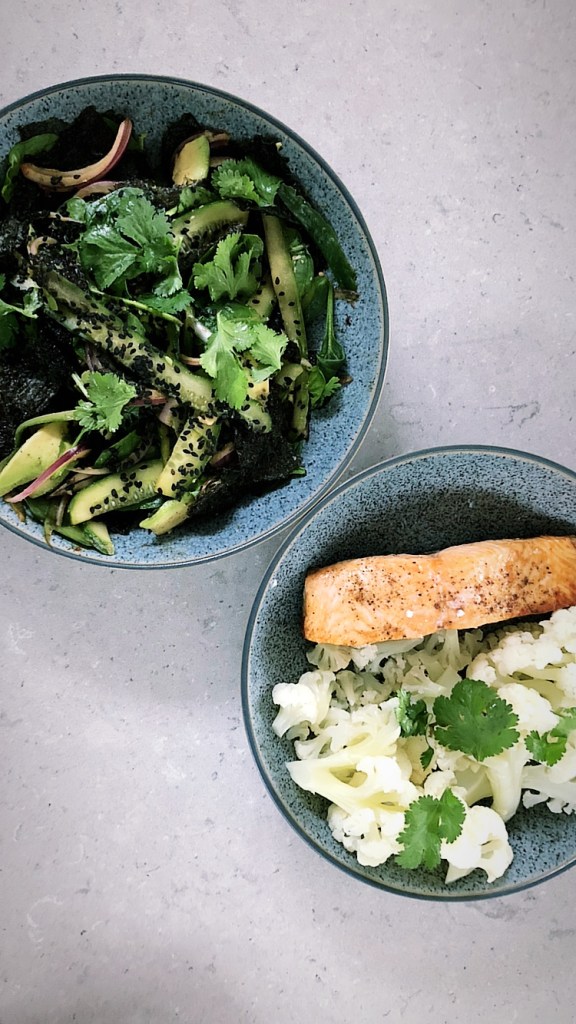
Salads are a great way to load up on micronutrients for thyroid health! Try:
Seaweed
soft herbs
avocado
nuts and seeds
high quality protein sources such as salmon
As powerful add ins.
A bit more on metabolism:
Your metabolism is essentially a chemical equation of food in (chemical energy), the food being used as a fuel source in the form of ATP (chemical reaction) and the waste products being expelled either through your digestive tract or as the air your breath out. This gives us important signals and clues as to how we can boost this process for a healthy metabolic rate and reducing risk of metabolic related heart disease etc.
First! The chemical energy and how we consume it
Eating the best quality fuel is what keeps our engines running smoothly and prevents oxidative stress to our mitochondria. Mitochondria being the power pack in our cells which use the energy from food and turn it into energy we can burn in physical, mental and everyday activities. Eating hyper processed foods or eating too often will slow down this process as our body then becomes less sensitive to insulin, thereby struggling to shuttle nutrients to the right places and instead storing them as fat. Sugar and snacks, we’re looking at you. This will be covered more in part 12 of the series on insulin and blood glucose management.
Second, the chemical reaction and how to fire it up
A well functioning digestive system is the start. You need to be able to digest nutrients properly in order to use it as fuel. You also want to have a good amount of lean muscle that is capable of processing these nutrients and optimising your metabolism. Going deeper is the mitochondria which convert the food energy into usable energy. You can support your mitochondria through a low inflammatory diet, supplements like coq10 and N-actyle cystine. Cold exposure is also an epic tool in the arsenal of metabolism boosting. Cold showers, plunges and ocean swims all make excellent options.
There will also never be anything as effective or necessary as movement. Get your heart rate up and lift heavy things!
You will burn calories during exercise and also following in a process called post-exercise oxygen consumption whereby your body recovers from its exertion. Walking after meals and taking opportunities to move will also fire it back up during the day.
We have gotten into a lot today but it doesn’t need to be overwhelming. I’m here to simplify and guide you through what you need to know to balance your hormones, unleash your best health and help you make the most of your day!
Reach out by following the link below and we can make a start today.
Akash, M. S. Hamid., Rehman, Kanwal., & Hashmi, M. Zaffar. (Eds.). (2021). Endocrine disrupting chemicals-induced metabolic disorders and treatment strategies (1st ed. 2021.). Springer International Publishing. https://doi.org/10.1007/978-3-030-45923-9
Bagchi, D., Nair, S., & Sen, C. K. (Eds.). (2019). Nutrition and enhanced sports performance : muscle building, endurance, and strength (Second edition.). Academic Press, an imprint of Elsevier.
Calder, P. C., & Yaqoob, P. (Eds.). (2013). Diet, immunity and inflammation. Woodhead Publishing.
Guerin, G. D., Zumbro, E. L., Gordon, R. A., White, C. M., McAdams, D. M., Sokoloski, M. L., Nichols, D. L., & Duplanty, A. A. (2020). Dysregulated Thyroid Hormone Metabolism Following Formoterol Stimulation In Thyroid Hormone Depleted Skeletal Muscle: 3317 Board #138 May 29 1:30 PM – 3:00 PM. Medicine and Science in Sports and Exercise, 52(7 Suppl), 908–908. https://doi.org/10.1249/01.mss.0000685420.24493.06
Kuś, A., Marouli, E., Del Greco M, F., Chaker, L., Bednarczuk, T., Peeters, R. P., Teumer, A., Medici, M., & Deloukas, P. (2021). Variation in Normal Range Thyroid Function Affects Serum Cholesterol Levels, Blood Pressure, and Type 2 Diabetes Risk: A Mendelian Randomization Study. Thyroid (New York, N.Y.), 31(5), 721–731. https://doi.org/10.1089/thy.2020.0393
Suratman, S., & Suhartono, S. (2022). PESTICIDES EXPOSURE AND THYROID HORMONE LEVELS AMONG AGRICULTURAL WORKERS AND PESTICIDE APPLICATORS: A SYSTEMATIC REVIEW. Jurnal Kesehatan Lingkungan (Surabaya. Online), 14(3), 178–192. https://doi.org/10.20473/jkl.v14i3.2022.178-192
Excess testosterone is not just a few annoying hairs, it can affect your family fertility goals and your metabolic health. There is a huge genetic component but also, helpfully, a lot you can do to turn the tide in your favour.
We definitely need adequate amounts of testosterone.
It is essential for building muscle, strong bones and overall health and energy levels. It can also regulate our metabolism, sexual function and desire. Testosterone can also contribute to your overall vivacious spirit, it promotes feelings of agency and self-confidence! Other androgens produced and needed by our body include: Dehydroepiandrosterone (DHEA), androstenedione and dihydrotestosterone (DHT)
When androgens get too high, however, they can begin to cause problems such as PCOS, infertility and some of the other below described symptoms. In some severe cases, the evaluation and assistance of a medical doctor/endocrinologist is needed. More often, it is a few uncomfortable symptoms that indicate an imbalance that can be addressed through some feel-good dietary and lifestyle changes. Take note of the symptoms below and take action to restore your hormones to optimal.
What are the symptoms of excess androgens?
excess hair (on face, back or stomach) or and thinning hair on head, greasy skin or hair
discolouration of armpits (they appear darker)
acne, skin tags
unstable blood sugar
reactivity or irritability, depression or anxiety
delayed menstrual cycles
ovarian cysts, PCOS
mild cycle pain, infertility
More on Poly Cystic Ovarian Syndrome (PCOS)
Close to 82% of women with increased androgens will develop PCOS. PCOS is major factor reducing fertility and something that often goes undetected but for some of the symptoms to the left. Insulin resistance is another unfortunate characteristic of PCOS but something that can absolutely be managed with a fabulous nutrition plan.
See the resources on insulin and insulin resistance.
Co-morbidities: poorer cardio-metabolic health, potentially precancerous changes, mood problems, liver dysfunction. This information is not to scare, it is to educate, encourage action and further validate your quest for health and high quality treatments. Addressing the root cause of the problem and taking preventative actions can mitigate the symptoms of PCOS and improve life and health quality.
Tests: on day 21 of your cycle, getting progesterone, fasting insulin & glucose and CRP (to check for inflammation). Scans to look for cysts in a ‘string-of-pearls’ pattern around the ovaries.
Contributing factors to excess androgens
Genetic vulnerability can play a role but this is not cause for giving up or feeling your biology is set in stone. Symptoms can be managed and the right lifestyle and nutrition choices can shift you in a more positive direction. Testing for (very rare) androgen-secreting tumors, congenital adrenal hyperplasia (CAH) and other rare inherited disorders is the first step to assessing options such as bio-identical hormones or other medical interventions. Treatments for CAH and PCOS differ and testing is therefore an important step.
Body composition: excess body fat stores and metabolic dysfunction is associated with abnormal levels of gonadatropin. This has down stream affects on the delicate balance between luteinising hormone, follicle-stimulating hormone, oestrogen and testosterone.
Stress can increase the production of cortisol and androgens an anxiety has been implicated in excess production of DHEA. See the resources on building resilience to stress and managing caffeine intake.
Taking action against excess androgens, hair loss and PCOS
Using nutrition: Losing weight and improving your metabolic health through nutrition is an excellent intervention! Things to increase: your fibre by getting creative with beans and loading up on fresh vegetables. Dietary zinc with red meat and pumpkin seeds. Protein, great sources include organic chicken, turkey and lean red meats . Oily fish such as salmon and mackerel are also amazing options which can lower inflammation with their high omega-3 content. Things to avoid: conventional dairy can lead to increased inflammation and excess androgens. Sugar does dastardly work on insulin, body fat stores and promotes excess androgens. Opt for whole foods that are lower on the glycemic index. Fried foods and inflammatory oils like vegetable, canola and sunflower oil. Avoiding foods that are packaged and made in a factory is a difference you can feel in your jeans size, energy levels, sleep and the blissful hormonal balance that begins to envelop you. The recipe below is an example of a high fibre, whole food, dairy free meal that tastes excellent and can be made in bulk for family meals or meal prepping.
Using exercise: Establishing exercise as part of your routine can work to reduce chronic stress, balance hormones, improve cardiovascular health and help you to lose weight. Weightlifting is an important component for improving the metabolic function of your muscles and reducing the co-morbidities associated with PCOS.
Using other behaviours: Minimise your exposure to BPA (found in some plastics and receipt papers). Reduce stress where you can by taking walks, practicing yoga, pilates and other low intensity exercise. Connect and laugh with friends and family members. Consider volunteering and finding other ways of enjoying the stress buffering effects of having purpose and meaning. Evaluate your work load and strategise how you can set helpful boundaries and refine your work practice to find a balance between being productive whilst avoiding burnout. Practicing re-appraisal techniques and building resilience to stress are discussed in the following resources.
Supplementation:
Chromium (200-1,000mcg/ day) for insulin resistance
Inositol/ vitamin B8 (2g once or twice/day)
vitamin D (2,000IUD/day)
Berberine (500 mg, 3/day)
Helpful herbal remedies:
Cinnamon (1/2tsp/day) can improve cholesterol levels, insulin sensitivity and fight free radical damage associated with excess androgens.
Saw Palmetto (160mg/day) has been shown to reduce the conversion of testosterone to the more powerful DHT and can block androgen receptors.
Tian Gui from traditional Chinese medicine is a composition of various herbs that demonstrates lowering effects on androgens.
Specific to hair loss:
Did you know low iron, thyroid imbalance and insulin resistance and autoimmune conditions can also cause hair loss?
Tests to ask for include: Blood count & ferritin to assess iron levels and immune function. TSH &T3 to assess thyroid, cortisol, fasting insulin & glucose, testosterone to check for PCOS, insulin resistance or PCOS. Testing antinuclear antibodies will assess autoimmune conditions. and then refining your approach to the root cause using the resources specific to that options following sound medical advice.
Need someone who will work with you across the full spectrum of your health? Hormones, nutrition and exercise are all key parts and I’m here to simplify and help you take action.
Burns, A. C., Saxena, R., Vetter, C., Phillips, A. J. K., Lane, J. M., & Cain, S. W. (2021). Time spent in outdoor light is associated with mood, sleep, and circadian rhythm-related outcomes: A cross-sectional and longitudinal study in over 400,000 UK Biobank participants. Journal of Affective Disorders, 295, 347–352. https://doi.org/10.1016/j.jad.2021.08.056
Dobbyn, S. (2008). The Fertility Diet : How to Maximize Your Chances of Having a Baby at Any Age. Simon & Schuster, Limited.
Fauser, B. C. J. M., Tarlatzis, B. C., Rebar, R. W., Legro, R. S., Balen, A. H., Lobo, R., Carmina, E., Chang, J., Yildiz, B. O., Laven, J. S. E., Boivin, J., Petraglia, F., Wijeyeratne, C. N., Norman, R. J., Dunaif, A., Franks, S., Wild, R. A., Dumesic, D., & Barnhart, K. (2012). Consensus on women’s health aspects of polycystic ovary syndrome (PCOS): the Amsterdam ESHRE/ASRM-Sponsored 3rd PCOS Consensus Workshop Group. Fertility and Sterility, 97(1), 28-38.e25. https://doi.org/10.1016/j.fertnstert.2011.09.024
Ferrazzi, Enrico., & Sears, Barry. (Eds.). (2015). Metabolic Syndrome and Complications of Pregnancy : The Potential Preventive Role of Nutrition (1st ed. 2015.). Springer International Publishing. https://doi.org/10.1007/978-3-319-16853-1
Rosenfield, R. L. (2024). The Search for the Causes of Common Hyperandrogenism, 1965 to Circa 2015. Endocrine Reviews, 45(4), 553–592. https://doi.org/10.1210/endrev/bnae007
Vishnubhotla, D. S., Tenali, S. N., Fernandez, M., & Madireddi, S. (2022). Evaluation of Prevalence of PCOS and Associated Depression, Nutrition, and Family History: A Questionnaire-based Assessment. Indian Journal of Endocrinology and Metabolism, 26(4), 341–347. https://doi.org/10.4103/ijem.ijem_467_21
Vollmer, J., Christian, W. J., & Lacy, M. E. (2024). Diabetes screening among women with polycystic ovary syndrome: a descriptive study of commercial claims, 2011-2019. BMC Endocrine Disorders, 24(1), 194–196. https://doi.org/10.1186/s12902-024-01717-y
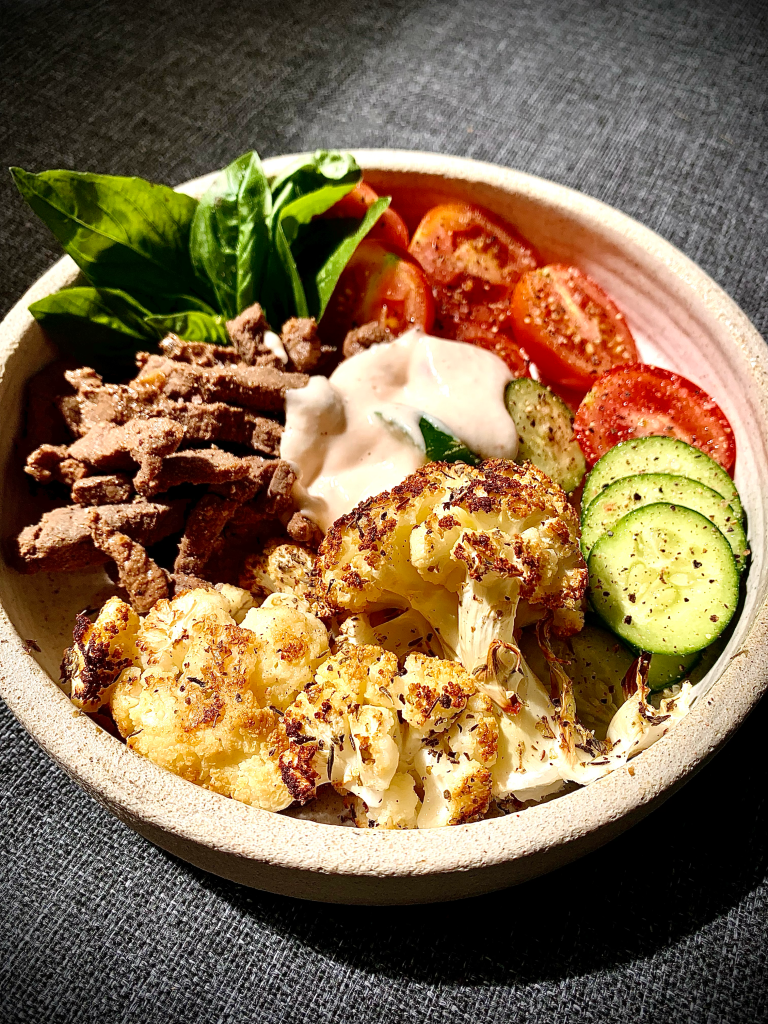
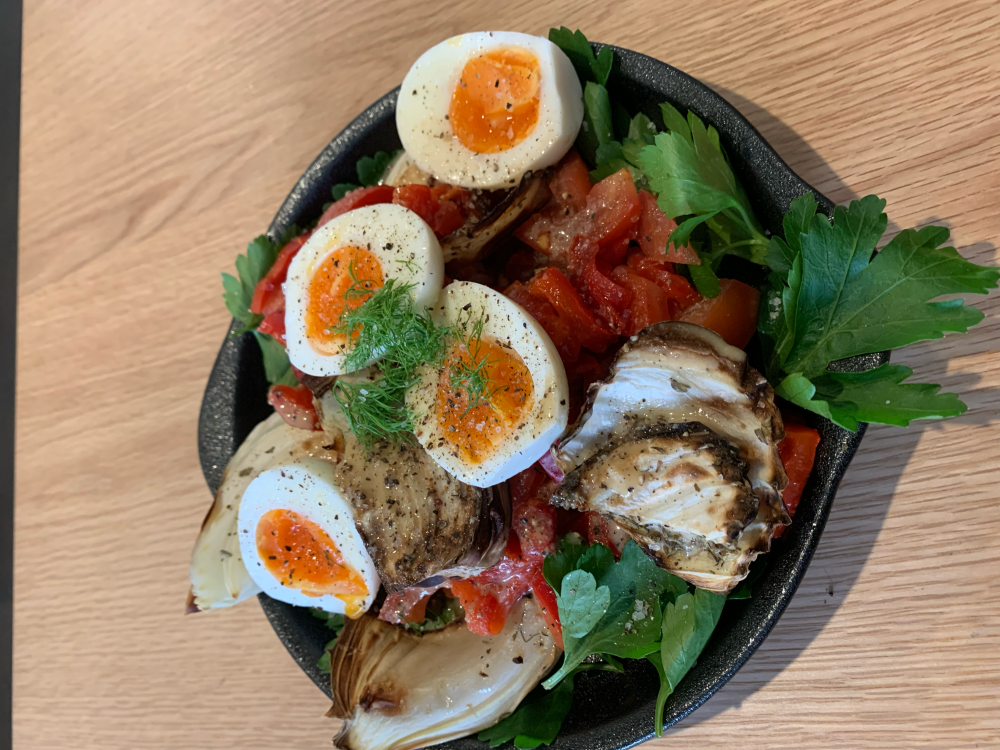
Say hello to this all organic heavy hitter. Beef is such an incredible source of iron, zinc, protein, b12 and other fabulous nutrients that we need for muscle function, immune health and hormone production! Getting all these benefits while savouring that nutty flavour of herb roasted cauliflower, fresh vegetables and well seasoned beef is a top notch way to be getting into the new year.
The new year also presents us with awesome opportunities to make some toxin-swops and this doesn’t have to be super expensive. Pesticides are known endocrine disrupters and this can results in worse health outcomes, infertility and disease. In this part ten of the harmonising hormones series, I will deliver this tasty recipe and round off with a couple things you can do to start trying to limit your exposure to pesticides found in our foods.
Ingredients to serve 4:
1kg of organic beef (it doesn’t have to be an expensive cut; rump or chuck works well).
1 head of cauliflower
1 cucumber
2 handfuls of tomatoes
basil if you have it about the garden
3tbsp tahni
1 tsp olive oil
1/2 cup soy sauce
3x1tsp mixed herbs
1tsp stock
to make the cannelloni bean dressing:
1 tin drained cannelloni beans (look for tins that state they are free of BPA)
juice of one lemon
2 cloves garlic
salt and pepper to taste
2tbsp olive oil
1 tsp mustard
Method:
In a slow cooker, add 2 tsp of mixed herbs, the tahini, soy sauce and stock. Mix this together well before adding the (sliced) beef. Put this on to cook for 6 or more hours. If you pop it on in the morning, you can finish the rest of this once you’re home from the day.
When you are about 40 minutes off dinner time, slice your cauliflower into ‘steaks’ and lay in an oven or air fryer. Drizzle with 1tsp olive oil, 1 tsp of mixed herbs and salt and pepper to taste. If air frying, set to 175 degrees celsius for 35-40 minutes. If oven roasting, set to 180 degrees celsius for 25-30 minutes. (Note that this will depend on your oven or air fryer so perhaps monitor progress.)
While your cauliflower is roasting and beef is stewing, chop your tomatoes and cucumber to be eaten fresh off the plate.
Blend all ingredients listed under the cannelloni bean dressing heading in a blender until smooth.
Once the beef is cooked and the cauliflower is also ready, arrange on a plate and serve with desired drizzle of dressing.
Marcos: The following are per serve:
384kcal 19gC 32gP 20gF
A couple of low-cost tips for reducing pesticides and incorporating more organic food into your diet:
Start a veg or herb garden
Find an organic veg delivery service: some farms will deliver boxes of organic, odd shaped produce for a great price which also prevents food waste!
Opt for organic meat. You can get creative with cheaper cuts and a little can go a long way in stews or casseroles.
Making these small swops where you can will support a healthy hormone balance by eliminating some known endocrine (hormone) disrupters.
Reshi, M. S., Mustafa, R. A., Javaid, D., Haque, S., Kesari, K. K., & Roychoudhury, S. (2022). Pesticide Toxicity Associated with Infertility. In Oxidative Stress and Toxicity in Reproductive Biology and Medicine (Vol. 1391, pp. 59–69). Springer International Publishing AG. https://doi.org/10.1007/978-3-031-12966-7_4
Sánchez, R. M., Bermeo Losada, J. F., & Marín Martínez, J. A. (2024). The research landscape concerning environmental factors in neurodevelopmental disorders: Endocrine disrupters and pesticides—A review. Frontiers in Neuroendocrinology, 73, 101132–101132. https://doi.org/10.1016/j.yfrne.2024.101132
Part 9 of the harmonising hormones series. This is a worthwhile delve for anyone who is trying to conceive, plans to conceive one day (even if that is 10 years from now) or anyone wanting to reach greater health outcomes. Fertility is a proxy for general health as infertility is often a sign of disregulated hormones, excess stress or metabolic disease.
This post offers direction for your own focused research efforts, how you could be thinking about exercise, what you should be considering for your nutrition, helpful behaviours (including the importance of flirting and intimacy). I will also present a detailed list of the supplements recommended by experts in this field and links for you to do your own research to determine if these are right and appropriate for you.
The next post in this series focuses on testosterone excess, PCOS and the steps you can take to make real health improvements with these conditions. There are a total of five articles left! Thyroid function and peri-menopause, healthy pregnancy (including how you can naturally defend against pregnancy insomnia and excessive morning sickness), progesterone and oestrogen deep dives are all on the way! Yes. I am writing a book too. 🙂 We are looking at an April release datefor all things women’s health!
The power of movement Movement is a gift, for you and making the most of life now and later, for leaning into more of life with your partner and friends and for getting the most out of the days and adventures to come with your children. To simplify: – full body resistance training 2-3 times a week – 150 minutes/ week cardio (fast walking, cycling, running) – 5-10 minutes of mobility/ stretching a day – some sort of reaction based exercise such as ball sports or boxing twice/month
A little more complicated: – If you are already a bit stressed, opt for yoga, pilates or low intensity weight training and avoid cortisol spiking long distance running or HIIT workouts. – Ensure you are building muscle, engage a personal trainer if possible. – If you are trying to conceive or pregnant, ensure you are training your hips, core, pelvic floor, back and legs appropriately. There are amazing exercise routines to support against pain, promote a healthy delivery and help you recover faster. Do your research or reach out to a professional in this space.
The importance of stress management
Part 1 and 7 have already touched on the effects excess cortisol (product of stress) has on the rest of your hormones and how this may har your fertility. Other things to keep in mind are: Child rearing can be stressful and so increasing your resilience and learning stress management techniques now will put you in a better spot.
Some helpful tools and strategies: – Connect with others and invest in positive, warm relationships with others to buffer stress. – Take time to transition between tasks and events, to cool down, reset and reduce the tendency to rush and react. – Find a practice such as breath work, meditation or walking to unwind and enhance your ability to settle your mind in the moment. – Work on how you appraise stress, the voice in your head. When you are challenged, speak positively to yourself ‘you can do this!’, ‘you can absolutely take on this challenge!’ or ‘I’m so excited to see how I grow and improve through this.’ ‘Oh S***, I’m F***ed is a tempting response sometimes but not helpful. Tame the voice in your head and let it be a tool, not a hinderance.
Eating for fertility, healthy hormones and fabulous metabolic health.
Your food choices are either going to deliver the nutrients you need for your body to unleash energy, perform, take on challenges and improve your sleep and hormones or destroy your health. Excess body fat, disregulated blood sugar and hormonal imbalance will all affect your hormones and therefore your fertility. Eating well delivers a load of benefits for your quality of life now and your longevity.
To simplify: – Eat whole foods, avoid packaged and processed foods, opt for fruit, vegetables, nuts, seeds, quality meat and seafood If you can afford it: – Get tested to see if you are deficient in anything and take steps to top yourself up. – Aim for organic produce. – Salmon, grass fed butter, organic eggs, moderate amounts of red meat and oysters are incredibly nutrient dense options.
Five tips for building intimacy The foundational relationship of the family you will create is key for buffering stress, enjoying the process and creating the warmest, most loving and nurturing environment possible for the child to come. You will never regret making every effort you can to build something truely special and solid with the person you will start a family with.
Exchange massage. Turn off the TV, light a candle and exchange massage whilst you take turns really listening and tuning into the thoughts and discourse of your significant other.
Flirting! It is vital for setting the scene for intimacy, building each others confidence and bonding. Whether you are newly dating, thinking about the next life stage or 50 years married, never give up on the art of flirting. – Be specific, what is something unique about them you find attractive? Communicate this! – Use touch! Know what is comfortable for them, wether it is grabbing their muscley arm, tapping their cute bum or kissing them on the shoulders. Use affection to communicate your desire and attraction.
Plan dates. These don’t have to be expensive but try to demonstrate your knowledge of what they like or find something novel to enjoy together. If they mentioned they loved dinosaurs as a kid, seek out a palaeontology exhibit at your local museum. Loved holidays to Thailand when they were a kid? Book a nice Thai restaurant. The thought is what counts the most and making time for each other will always be important. Inspire romance! The rush and thrill of paint balling, the decadent scenes of a trip out of town, the peace and tranquility of a hike and getting to dress up for each other over a candle lit dinner all make excellent options.
Show appreciation and recognition. Don’t hesitate to say thank you with meaning and sincerity, be it for taking out the bins, running an errand for you or for the simple gift of their time. Show your partner you see their acts of kindness and that their efforts are appreciated.
Encourage freedom of expression and practice your own. You are simply a more interesting person if you have your own interests, hobbies and a healthy dose of independence. Let your partner influence you, but don’t lose what made them fall in love with you. Encourage the maintenance of your other friendships and differences in thoughts and hobbies.
Try not to patholagise sex. Yes, it is important to plan sex around your ovulation and this can create some anxiety and pressure but it doesn’t have to. Try to remember the first few times you made love; the rush and thrill the intimacy and desire you felt and let these feelings continue to guide you throughout your relationship. Have fun and enjoy the process by focusing on each other’s pleasure and your own.
The detailed list of supplements: Feel empowered! As you embark on this incredible journey ahead of you, know that there is so much you (and your partner) can do to give your baby the best possible start and look after yourself! Pre-conception supplementation is associated with improved egg quality which affects your baby’s mental and physical health as well as increasing chances of successful pregnancy through to full term. Egg quality and fertility peak starts to decline (not drastically, don’t panic) 2 years after your first period and so enhancing egg quality can be an incredible investment in your baby’s future. Research also demonstrates that adequate supplementation is also powerful for keeping mum healthy, happy, active and reducing post-partum depression and other nutrient deficiencies that can result from pregnancy.
With breakfast: Vitamin d(1000iud), omega 3(1g), coq10 (150mg), pre-conception multi that includes folate, other b vitamins and zinc.
Between 3&6pm : Vitamin d(1000iud), omega 3(1g), coq10 (150mg), the 2nd pre-conception tablet if the package advises a 2nd dose in the day
How these supplements help
Vitamin c: is an antioxidant and fights free radical damage, specifically, free radical damage that can be inflicted on egg and sperm due to aging and other lifestyle factors.
L-carnatine: Improves egg quality, sperm quality and motility. It fortifies cells and enhances the mitochondria of cells. It also enhances cognitive and athletic performance.
Vitamin d: provides foundational support to the production of hormones essential for health and fertility
omega 3: fights systematic inflammation and improves egg and sperm quality. Prepares mothers body for a healthy pregnancy.
coq10: increases egg quality and sperm motility and quality. Reduces free radical damage in the mitochondria of sperm and eggs. Studies found clinically significantly increases in conception rates.
pre-conception multi that includes folate, other b vitamins and zinc. These essential vitamins and minerals also help to prepare the body for a healthy pregnancy, reducing risk of deficiencies and post-partum depression. A pre-conception and pre-natal mulit is also designed to improve egg quality and deliver vital nutrients to the developing foetus to reduce risks of birth defects.
Further reading and resources:
de Angelis. (n.d.). The role of vitamin D in male fertility: A focus on the testis. Reviews in Endocrine and Metabolic Disorders., 18(3), 285–305. https://doi.org/info:doi/
Derbyshire, E. (2011). Nutrition in the Childbearing Years. (1st ed.). Wiley.
Gaskins, A. J., & Chavarro, J. E. (2018). Diet and fertility: a review. American Journal of Obstetrics and Gynecology, 218(4), 379–389. https://doi.org/10.1016/j.ajog.2017.08.010
Hussein, Z. A., Nori, W., Oudah, K. H., Agarwal, P., Obaid, A. J., Albermany, S. A., & Banerjee, J. S. (2023). L-carnitine role in fertility and health. AIP Conference Proceedings, 2591(1). https://doi.org/10.1063/5.0121362
Nehra, D., Le, H. D., Fallon, E. M., Carlson, S. J., Woods, D., White, Y. A., Pan, A. H., Guo, L., Rodig, S. J., Tilly, J. L., Rueda, B. R., & Puder, M. (2012). Prolonging the female reproductive lifespan and improving egg quality with dietary omega‐3 fatty acids. Aging Cell, 11(6), 1046–1054. https://doi.org/10.1111/acel.12006
Rabe. (2014). Vitamin D and female fertility. Current Opinion in Obstetrics, 26(3), 145–150. https://doi.org/info:doi/
Rodríguez-Varela, C., & Labarta, E. (2021). Does Coenzyme Q10 Supplementation Improve Human Oocyte Quality?. International journal of molecular sciences, 22(17), 9541. https://doi.org/10.3390/ijms22179541
If you need a holistically minded guide to support you with exercise training and nutrition through this beautiful journey, reach out to the details below.
You are reading part 8 of the Harmonising Hormones series
Some of you (1 in 2 women and 1 in 5 men) either have experienced or will experience beyond normal levels of anxiety. This can be defined as anxiety that persists to the point that it affects your daily life and life quality.
Anxiety is a human trait that evolved with us to be adaptive. It is meant to be an instinct that alerts us to potential danger and directs us to action. Today, modern lifestyle, stress, lack of exercise, poor nutrition and hormonal imbalance can lead to excessive anxiety. The purpose of this article is to inform you on what is beyond adaptive and offer guidance on things that are within your control to create positive change and move beyond anxiety.
The next part of this series focuses on maintaining and enhancing fertility through healthy behaviours, nutrition, exercise, intimacy and offers a simplified analysis of supplement recommendations.
What does it feel like?
Anxiety can be defined as disorganised fear and this also serves as a helpful collection of words to describe how it feels. A sort of creeping, underlying fear about things that may or may not happen, a sense of losing control or worry about unpredictable events. Your brain is a prediction machine and accepting that when you brain is struggling to do what it needs to, fear and anxiety can be a logical response.
Anxiety can be deeply or mildly unsettling and uncomfortable. Understanding what is giving you the sensations in the moment by tracing the source and putting a name to it can be super helpful for calming down the anxiety response.
Potential causes and upstream influences… find out what your body may be trying to tell you.
It can start in childhood. Childhood is a special time to learn to risk assess, self-regulate and develop self-efficacy and self-esteem through problem solving. Through no ill-intentions, many parents in the hopes of reaching 21st century standards are robbing their children of the chance to problem solve and risk assess. It is by fixing the bike yourself, doing chores, falling on the playground and getting back up that we develop a sense of self-efficacy. Confidence and agency are to be gained in all these little opportunities of having to try again and solve problems. Perhaps your big-hearted parents unknowingly did not give you enough of these opportunities in an effort to be helpful. Giving yourself the opportunity to problem solve, persist and do hard things is the ultimate way to gain confidence and efficacy and alleviate anxiety. Knowing you can handle a situation from prior experience and practice is a game changer for mental health! How can you do this? – Start a hobby like wood craft or take up a challenge of some other kind that requires persistence and effort. – Start a challenging new sport or push yourself in a meaningful way through exercise. – Confront a fear. Perhaps this is bungy jumping to get over heights or even rock climbing! Allowing your brain to learn how to risk assess is incredibly helpful for anxiety.
Modern lifestyles and stress. Stress and busyness can easily lead to overwhelm and a sense of losing control. These feelings are closely associated with anxiety and whilst the ideal world would see us setting more boundaries and dialling back our work load, sometimes this isn’t an option. Stress management and appraisal techniques are therefore helpful for overcoming our modern lifestyles and stress. – Change your internal dialogue, that voice in your head, to give more positive evaluations. Example: “Work is busy at the moment but it won’t last forever and I can handle it” – Tell yourself it is a challenge that you are up for. – Connect with others to laugh and decompress. – Exercise regular to blow off steam, increase resilience and feelings of agency.
Lack of connection and purpose. Sometimes anxiety can be a listlessness or a lack of direction. Having a purpose that serves goal directed behaviour and a channel for effort can be supremely soothing against anxiety. We innately want to feel as though our actions mean something and that our lives have meaning. Developing a purpose and reminding yourself what it is regularly will buffer anxiety. In today’s world we have become disconnected from each other. Instead of noticing the smile or the facial expressions of the person across us to sooth our risk assessing brains, we are letting this system rust by relying on social media. Attempt less screen time and deeper connection with those around you to decrease anxiety.
The hormonal factor Progesterone promotes feelings of wellbeing and calm. When this hormone is low (such as in the luteal phase) or deficient for some reason (nutrition, lack of sleep etc), the result can be anxiety. Progesterone can be boosted naturally through supplements like VItex and supported by ensuring you are consuming enough of the nutrients needed to make it in your body such as iron and l-theanine. This will be discussed more in part ten of this series.
Some other helpful practices are:
Putting boundaries on social media. Try turning your phone off once in a while, checking it less and logging out of social media for extended periods of time.
Keep a journal so you can gain self-awareness, unwind and understand your feelings better.
Develop a breath work or meditation practice
Make these swops to nourish your body and decrease the upstream physical causes of anxiety
Swop caffeine for decaffeinated options.
Texting for real life interactions
Sugar for lower GI sweet foods like syrup and small amounts of honey or maple syrup
alcohol for non-alcoholic herbal mocktails, kombucha, naturally flavoured soda waters, alcohol free spirits
Helpful, natural supplements to support you as you address the route causes.
Vitex: promotes progesterone activity in the body.
GABA: down regulates activity in the amygdala (feel centre of the brain).
Reishi mushroom powder: promotes feelings of calm
Glycine: down regulates activity in the hippocampus (area of brain responsible for planning etc.).
Charis, C., Panayiotou, G., ProQuest issuing body, & ProQuest issuing body. (2024). Anxiety Disorders and Related Conditions : Conceptualization and Treatment from Psychodynamic and Cognitive Behavioral Perspectives. (1st edition). Springer.
Roseberry, K., Le-Niculescu, H., Levey, D. F., Bhagar, R., Soe, K., Rogers, J., Palkowitz, S., Pina, N., Anastasiadis, W. A., Gill, S. S., Kurian, S. M., Shekhar, A., & Niculescu, A. B. (2023). Towards precision medicine for anxiety disorders: objective assessment, risk prediction, pharmacogenomics, and repurposed drugs. Molecular Psychiatry, 28(7), 2894–2912. https://doi.org/10.1038/s41380-023-01998-0
Sampson, T. D., Maddison, S., & Ellis, D. (Eds.). (n.d.). Affect and social media: Emotion, mediation, anxiety and contagion. Rowman & Littlefield International.
You are reading part 7 of the harmonising hormones series! The intention of this post is to simplify the conflicting advice on caffeine consumption by presenting you with the facts, and some things to keep in mind so you can build awareness of your body’s cues and decipher what they mean for making decisions that are right for you.
This post is to empower you to make informed decisions and craft delicious alternatives. It is not to guilt you, tell you what to do or strike fear into the hearts of those waiting in line at their local coffee shop. However given the very real evidence demonstrating coffee’s affect on fertility, mental health and the significance this has on women’s wellbeing and a couple’s family goals I couldn’t not share what I have learned. Read the personal note at the end for more on finding a balance and knowing what serves you best.
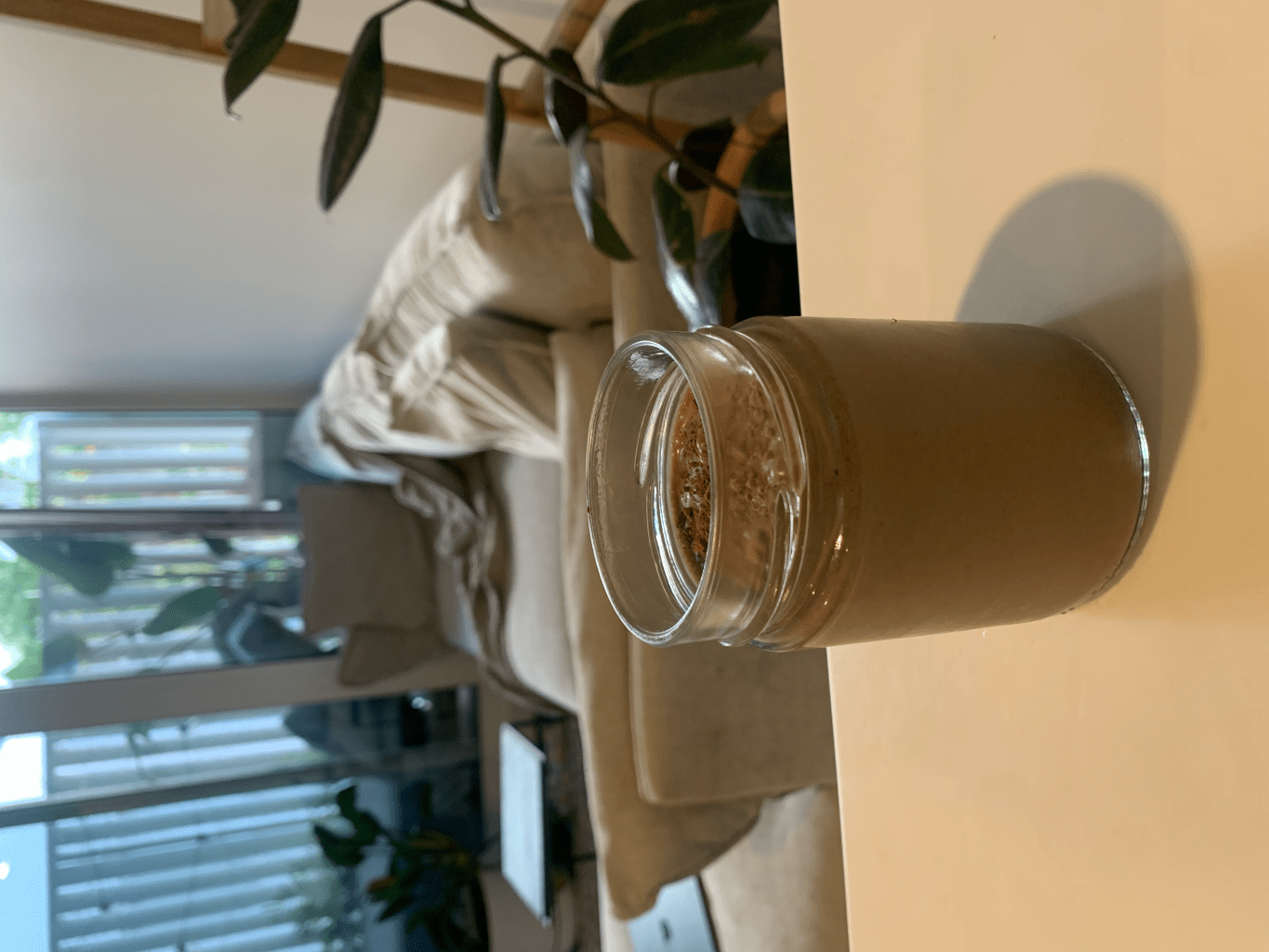
First…. the recipe for world’s creamiest, frothiest, decaf iced coffee
1 cup cold filter decaf coffee (I used Dark Knight beans from Decaf Coffee Co, they’re local, ethical and super tasty, no affiliation, just appreciation).
1/2 frozen banana
1/2 cup soy milk
1 tbsp protein powder (I like Amazonia’s vegan cinnamon and vanilla powder but I’m not committed to it and enjoy mixing it up).
1tsp maca powder
1 tsp lions mane mushroom powder
pinch of cinnamon
yesssss to cacao powder sprinkle on top
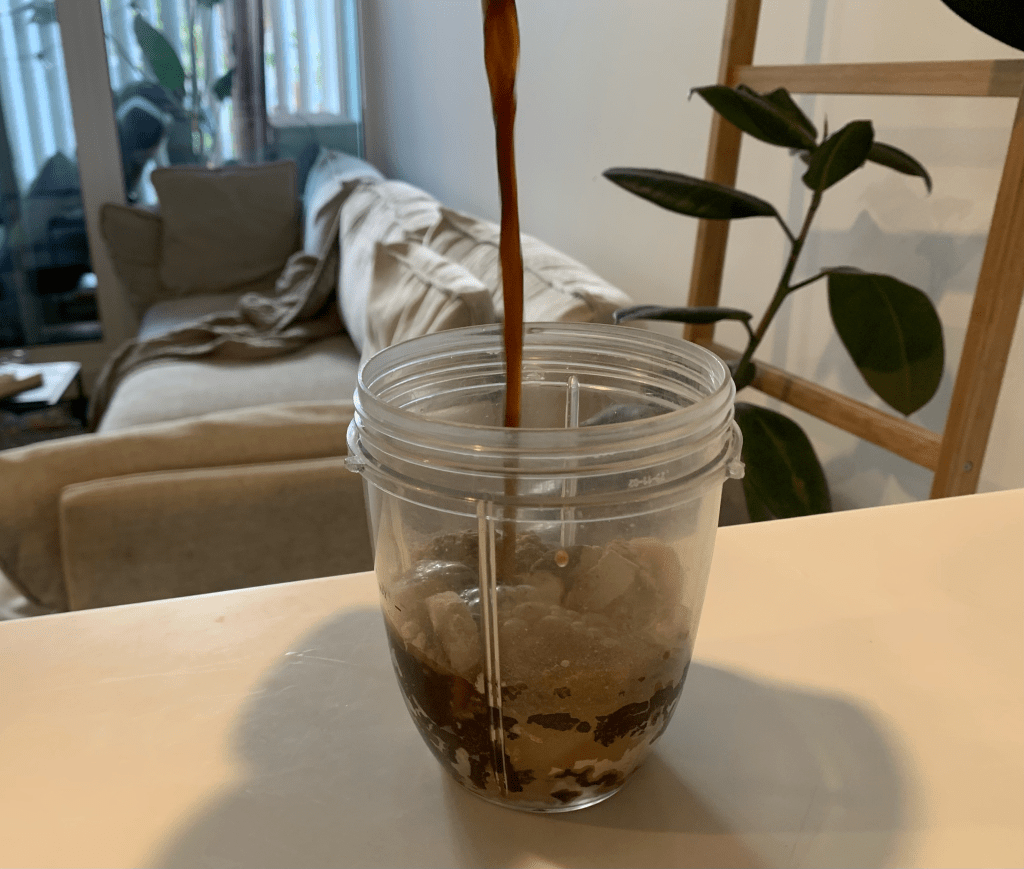
Simple brew beans according to filter instructions and chill in the fridge for 3h plus. Then, blend the above ingredients. Sprinkle a touch of cacao powder atop if you wish for a depthful flavour bomb on those first sips.
Wait… What is coffee doing to my hormones?
Everyone has a different tolerance for caffeine. Things like genetics, lifestyle and stress, liver function, feeding schedule, nutrition and exercise will all play a role in how your body processes caffeine. This process will in turn affect hormone production and balance. How does this work? Caffeine promotes the production of cortisol, otherwise known at adrenaline. If your body is producing excess cortisol, it is to the detriment of other important hormones such as:
Progesterone decreases which plays a role in sleep, mood and keeping any potentially fertilised egg implanted into your uterine lining (read the links below for more on the connection between coffee, miscarriage and anxiety. Yes, there is aboslultey a proven connection between infertility, miscarriage and caffeine consumption which needs more attention given the high exposure, prevalence and the significant consequences of this relationship).
Oestrogen decreases which is vital for mood, sex drive, decision making and fertility.
Thyroid is affected which regulates metabolism, temperature control, mood and digestion.
Why does it do this? Your body is always going to prioritise cortisol hormone over all other because it is essential in the fight or flight survival response which served your ancient ancestors. Thousands of years ago, if a lion was chasing you, you wanted the cortisol to release energy, spike anxiety and get you to safety. So your body prioritising this hormone over the others made sense. Today, we are artificially provoking this cortisol response and depressing other hormones and this has systematic consequences to our health, especially female health.
As mentioned above, everyone’s response to caffeine is different and some people can get away with it in moderate amounts. However, if you ever feel buzzed and anxious, stressed and overwhelmed, if your sleep and mood suffers, if your sex drive and motivation levels are dipping, if you experience infertility or weight management issues then considering caffeine alternatives is a wonderful idea that your body and hormones will thank you for.
A personal note: Coffee served me reasonably well for 10 plus years as a delicious beverage I looked forward to drinking. It was a study aid, point of connection with friends, athletic performance enhancer and hobby. I have deep interest in the history, geography, craftsmanship and varieties of this bean. Today, caffeine no longer serves me. Spiking my cortisol at the expense of other hormone production is something that affects my sleep, afternoon motivation levels, mood and fertility. So! Whilst its been fun, sipping on the brewed bean… My goals have evolved and as such, caffeine no longer has a place in my life, I can imagine it could again in super small amounts one day but in the meantime I feel far better off it and love getting creative with other options! Decaf works for me as I still feel in routine, appreciate the flavour profile and get to support a local business.
If you need someone on your team to develop a personalised process for your hormone health, then reach out! I would love to hear from you.
Brent, R. L., Christian, M. S., & Diener, R. M. (2011). Evaluation of the reproductive and developmental risks of caffeine. Birth Defects Research. Part B. Developmental and Reproductive Toxicology, 92(2), 152–187. https://doi.org/10.1002/bdrb.20288
Dashwood, R. H., Duncan, A. M., Hagen, T. M., Hu, F. B., Johnson, E. J., Jones, P. J. H., Joshipura, K., Jump, D. B., Klurfeld, D. M., Lampe, J. W., Lawson, L. D., Liu, S., Steward, W. P., Stocker, R., Williams, D. E., Yang, C. S., & Zeisel, S. H. (2013). An Evidence-based Approach to Phytochemicals and Other Dietary Factors (Jane. Higdon & V. J. Drake, Eds.; Second edition.). Thieme. https://doi.org/10.1055/b-002-76301
Goto, A., Song, Y., Chen, B. H., Manson, J. E., Buring, J. E., & Liu, S. (2011). Coffee and caffeine consumption in relation to sex hormone-binding globulin and risk of type 2 diabetes in postmenopausal women. Diabetes (New York, N.Y.), 60(1), 269–275. https://doi.org/10.2337/db10-1193
Hirose, K., Niwa, Y., Wakai, K., Matsuo, K., Nakanishi, T., & Tajima, K. (2007). Coffee consumption and the risk of endometrial cancer: Evidence from a case‐control study of female hormone‐related cancers in Japan. Cancer Science, 98(3), 411–415. https://doi.org/10.1111/j.1349-7006.2007.00391.x
Johnston, K. L., Clifford, M. N., & Morgan, L. M. (2003). Coffee acutely modifies gastrointestinal hormone secretion and glucose tolerance in humans: glycemic effects of chlorogenic acid and caffeine. The American Journal of Clinical Nutrition, 78(4), 728–733. https://doi.org/10.1093/ajcn/78.4.728
Leviton, A., & Cowan, L. (2002). A review of the literature relating caffeine consumption by women to their risk of reproductive hazards. Food and Chemical Toxicology, 40(9), 1271–1310. https://doi.org/10.1016/S0278-6915(02)00092-3
Lyngsø, J., Ramlau-Hansen, C. H., Bay, B., Ingerslev, H. J., Hulman, A., & Kesmodel, U. S. (2017). Association between coffee or caffeine consumption and fecundity and fertility: A systematic review and dose-response meta-analysis. Clinical Epidemiology, 9, 699–719. https://doi.org/10.2147/CLEP.S146496
Pollack, A. Z., Buck Louis, G. M., Sundaram, R., & Lum, K. J. (2010). Caffeine consumption and miscarriage: a prospective cohort study. Fertility and Sterility, 93(1), 304–306. https://doi.org/10.1016/j.fertnstert.2009.07.992
Savitz, D. A., Chan, R. L., Herring, A. H., Howards, P. P., & Hartmann, K. E. (2008). Caffeine and Miscarriage Risk. Epidemiology (Cambridge, Mass.), 19(1), 55–62. https://doi.org/10.1097/EDE.0b013e31815c09b9
Wedick, N. M., Mantzoros, C. S., Ding, E. L., Brennan, A. M., Rosner, B., Rimm, E. B., Hu, F. B., & Van Dam, R. M. (2012). The effects of caffeinated and decaffeinated coffee on sex hormone-binding globulin and endogenous sex hormone levels: A randomized controlled trial. Nutrition Journal, 11(1), 86–86. https://doi.org/10.1186/1475-2891-11-86
Supremo coffee alternative for these warmer mornings with all good things for your gut. You are reading part 6 of the harmonising hormones series.
I would love to share this recipe with you first! It is such a winner for anyone who enjoys a delicious blend and wants to support their gut microbiome which is not just essential for digestion and metabolism but also your hormones and mental health.
I will delve into the details on why replacing caffeine is pure kindness to you and your hormones in part 7 of this series. We will delve into the specifics of why anyone trying to conceive or pregnant may especially wish to find alternative drinks.
Ingredients:
100ml of kefir
1/2 froze banana
1/2 cup milk (I used soy)
1/2 cup water (or replace with more milk if you prefer creamier)
juice of half a lemon
1 tsp turmeric
1 tsp cinnamon
1/2tsp nutmeg
pinch of pepper
Simply blend the above and enjoy of a steamy sunny morning or as an afternoon perk up.
More on the wonder ingredients
The spices cinnamon, nutmeg and turmeric are anti-inflammatory and assist with blood sugar regulation
Kefir is a source of beneficial bacteria that can build your gut microbiome and enhance your immune system
Banana is a source of resistent starch and fibre to aid with digestion
Lemon juice is a wonderful source of vitamin c, a powerful anti-oxidant as well as a promoter of stomach acids which are needed for your gut to absorb the nutrients in food
There is a bidirectional relationship between your gut and hormones where a healthy gut facilities a healthy hormonal balance and a healthy hormonal balance supports your gut health. For example; not having a diverse abundance of good bacteria in your gut can lead to constipation, constipation can lead to your body reabsorbing the excess oestrogen hormone that was destined for discard and this can create an oestrogen dominance. Oestrogen dominance can overpower your thyroid hormone which regulates digestion and metabolism. This can become a horrific cycle of worse constipation and worse imbalance but can be alleviated through diet and lifestyle intervention which you have the power to implement!
One powerful step towards this is cutting down on caffeine which blunts sex hormone production and adding in fermented and anti-inflammatory foods to boost your gut health!
Cobrdova, V. (2017). A Whole New Way to Eat : 135+ Feel-Good Recipes from about Life. (1st ed.). Murdoch Books Pty Limited.
Keenan, M. J., Zhou, J., Hegsted, M., Pelkman, C., Durham, H. A., Coulon, D. B., & Martin, R. J. (2015). Role of Resistant Starch in Improving Gut Health, Adiposity, and Insulin Resistance. Advances in Nutrition (Bethesda, Md.), 6(2), 198–205. https://doi.org/10.3945/an.114.007419
Nuffer, W., Tall Bull, S., Bakhach, H., & Nuffer, M. (2023). Sweetly Improving Sugars? Reviewing Cinnamon’s Effects on Blood Glucose. Journal of Medicinal Food, 26(1), 68–73. https://doi.org/10.1089/jmf.2022.0073




















 SaeYond Health