Consider this article a dip into the waters of hormone optimisation and the start of a harmonising hormones series. Read on if you would like to learn more on fertility, energy, sleep, cognitive function, mood and performance through improving your hormone health.

You are heart, soul, experiences, wants, needs and feelings. You are also though, a chemical soup. The hormones, neurotransmitters and genetics within you drive a lot of your behaviours and desires. Most of us are familiar with PMS even if it is not something we have experienced ourself. Other examples of run away hormones can look like over reactions, anhedonia, inability to fall asleep, hunger, lack of energy or weight gain.
Hormones can be understood as chemical messengers that are released from one organ to act on another. Genetics, environment, nutrition and behaviours all effect the functioning of these hormones, for better or worse. Hungry? That’s a hormone called ghrelin. Relaxed? Thats’s progesterone. Heart pounding and palms sweating? That is cortisol. Falling in love? That’s wonderful. Its also a rich interplay of oxytocin, serotonin and dopamine. Yup! Chemical soup.
A cautionary note before we begin. Do not allow the following information to pathologise or invoke cynicism on your human experience. You are a unique individual and what you perceive and feel is very real and special. This information is to arm you with tools for an even more remarkable and feel-able human experience. Of which you only get one. This information is also general in nature and not a direct prescription for you and you are responsible for your own health and well being. You are encouraged to do your own research and seek other advice if necessary before making any changes.
So, without further delay, five things you can do and I wish I had done sooner, for better hormone health.
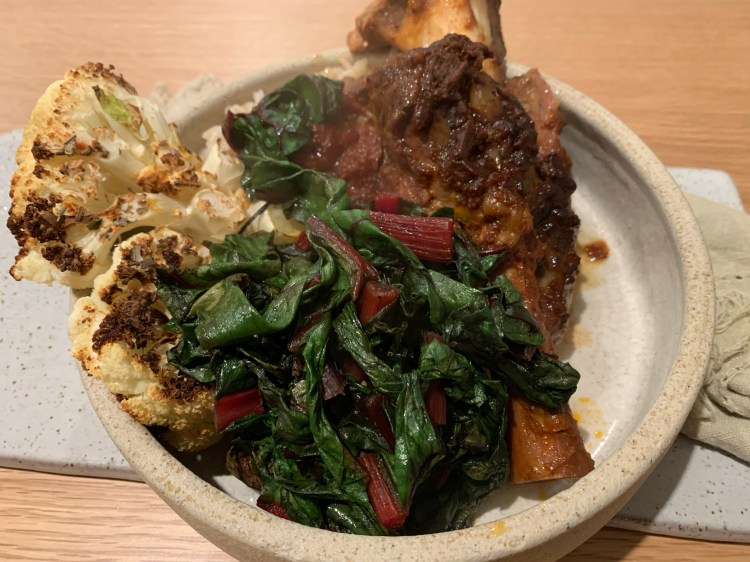
Addressed iron deficiency straight away. Iron deficiency is common and we sort of just think, oh well, I feel okay enough. Iron is a critical raw ingredient in so many hormones, notably progesterone and your thyroid. Long term deficiency in iron can equal long term depression of these crucial hormones leading to imbalances and the resulting symptoms of sleep problems, anxiety, slow metabolism and decreased energy. Get it checked and get it sorted. If you are low:
- find out why and take steps to address the root cause of the issue.
- and get yourself topped up!

Changed the way I enjoy coffee. I was definitely one to drink two double espresso on an empty stomach (yes, that’s four shots), do some high intensity training and resist a much needed, restorative, carby breakfast after. I cringe when I think of those days now. Double espressos without a buffer of carbs or protein will increase your cortisol production and depress your other hormones. Why? Your body priorities cortisol production because it is the hormone that mobilises fuel and increases alertness, it is what gets you away from the hungry tiger. What this means though, is while your body is producing cortisol, it will be directing less resources towards the production of other hormones. How do carbs come in? Ingestion of carbs invokes an insulin response. You want the insulin response when you have a coffee as it acts like a shut of valve to cortisol.
These days, I stick to one, weak coffee a day, if that, and enjoy it along side protein and carbs rather than by its self. The result? My workouts are better, my appetite regulation, feelings of wellbeing and sleep… all so much better.

Fuelling myself properly when training to avoid getting too lean. Five months went by and I still hadn’t menstruated and this didn’t seem like a problem to me. Pesky, inconvenient, monthly thing be gone and good riddance. Getting to such a low body fat percentage that you loose your period, however, is not a good thing. Your cycle is a monthly report card of your health.
Important hormonal processes take place within your fat cells, the conversion of testosterone into oestrogen being one. Too little body fat will also depress your thyroid function, only serving to knock your temperature regulation, ability to burn fat and sleep about in the future. Some people are naturally more lean and if this is you, thats so fine. Optimal body composition is highly individual but once you know your sweet spot, try to maintain that through a proper balance of training and nutrition.
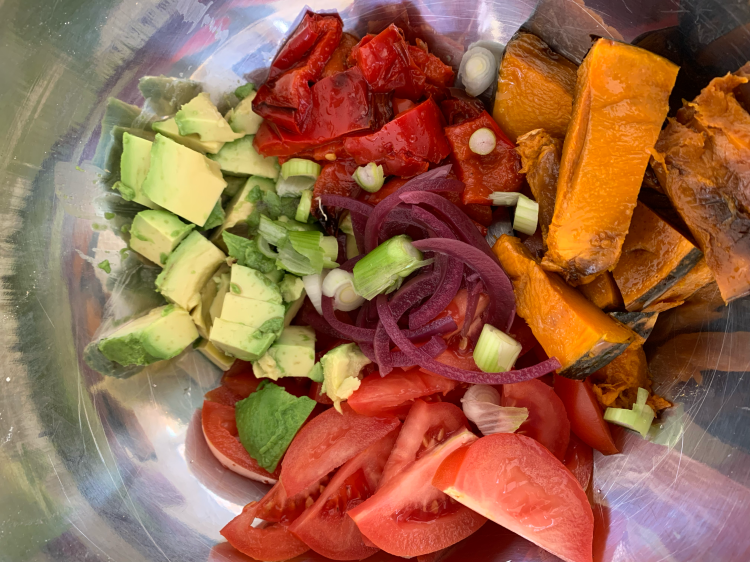
Being Smarter about diet and supplementation.
As mentioned above, your hormones are made up of the raw ingredients you get from food. Zinc, iron, and other minerals, various amino acids and vitamins are all extracted by your incredible body to create hormones. If you are deficient in any of these ingredients, your body will simply not be able to produce what it needs.
If I could go back I would:
- Aim to get a variety of amino acids through a weekly cycle of various meats, eggs, beans and nuts.
- Aim to get daily serves of all my colours.
- Focus on my gut microbiome
As for supplementation:
- Some need to be cycled on and off, an example would be evening primrose oil in the first half of your cycle and vitex in the second half. Even these natural supplements can have super powerful effects, shortening or lengthening your period and affecting your ovulation.

Using exercise to spend time outside, connect and destress. Which sounds right, right? But how many of us get stuck into a routine of either not exercising at all, getting in the bear minimum step count on the treadmill or slogging out HIIT workouts in the gym that we never use in the real world. Putting on muscle and regularly getting your heart rate up is critical for longevity. A couple things to keep in mind:
- Let your gym workouts fuel life outside the gym, be fit enough to hike, strong enough to help your friends move house, energised enough to run around with your kids.
- Get outside! It is a gorgeous world out there! There are mountains to be conquered, rivers to be navigated and friends to enjoy it all with.
So book the beach pilates class with your friend, join that hiking group and feel the benefits of movement transcend aesthetics to enthuse your mind and soul for the wider world.

As mentioned, this is part of a series on harmonious hormones. Over the next few weeks, I’ll de delving into each of the above a bit more as well as focusing on the specifics of sleep, mood, fertility and each of the hormones themselves.
If you would like to learn more about your hormones and how nutrition and exercise can be used as tools then reach out to the below, I would love to help you.
Further Reading and Resources
Dhara, A. K., & Mandal, S. C. (Eds.). (2023). Role of Herbal Medicines : Management of Lifestyle Diseases (First edition.). Springer.
Gottfried, S. (2013). The hormone cure. Scribner.
Kennedy, E., & Markula, P. (2011). Women and exercise : the body, health and consumerism. Routledge. https://doi.org/10.4324/9780203839300
Savitha, V., Mamatha, Madhu, B., Mahesh, M., & Bantwal, G. (2023). Testing the Tormenting TRIO: A Study of Thyroid Autoimmunity, Iron Deficiency and Thyroid Diseases in the First Trimester of Pregnancy. Journal, Indian Academy of Clinical Medicine, 24(1), 12–16.
Wyness, L., Stanner, S., & Buttriss, J. (2013). Nutrition and development : short- and long-term consequences for health (1st ed.). published by Wiley-Blackwell for the British Nutrition Foundation.
Yusni, Y., & Yusuf, H. (2022). The acute effects of coffee consumption on blood glucose and it’s relationship with serum cortisol and insulin in females. Farmacija, 69(3), 903–910. https://doi.org/10.3897/pharmacia.69.e85397
 SaeYond Health